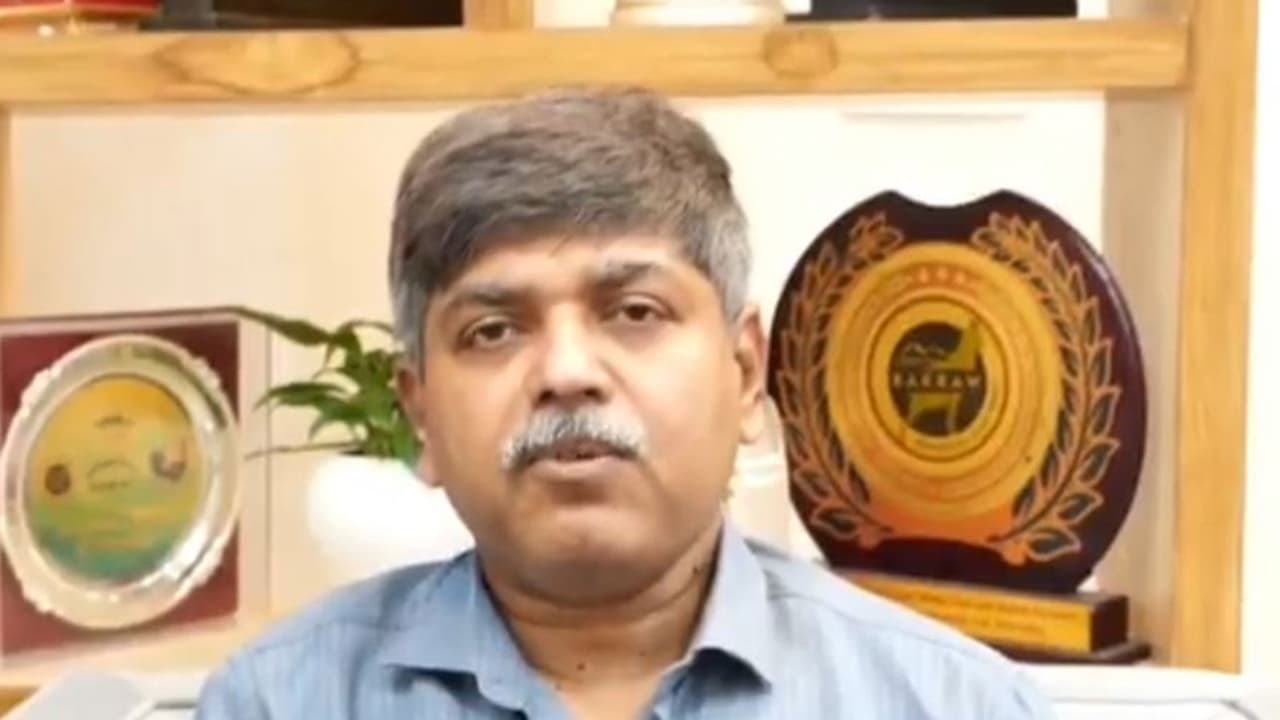
Uttarakhand Principal Secretary (Energy) R Meenakshi Sundaram clarified that the proposed procurement of 1,320 MW thermal power follows all rules, competitive bidding, and has UERC approval, rubbishing allegations of favouring any company.
Uttarakhand Principal Secretary (Energy) R Meenakshi Sundaram on Thursday issued a clarification on questions raised by some political parties over the proposed procurement of 1,320 MW of thermal power, saying the process is being carried out in accordance with prescribed rules, technical requirements, competitive bidding and approval from the Uttarakhand Electricity Regulatory Commission (UERC).
Sundaram said allegations regarding the power procurement process were not based on facts and that the objective was to secure the state’s long-term and growing electricity requirements, rather than benefit any particular company.
Tender Process Followed Prescribed Norms
Clarifying the tender process, he said the Model Bidding Document issued by the Union Power Ministry in 2019 was a general model document and that changes were examined based on the technology, location, fuel availability, transportation costs and other circumstances of individual projects. He said suggestions and objections received from bidders during the tender process were examined from technical and practical perspectives, following which necessary proposed changes were placed before UERC. The Commission approved the amendments after detailed deliberations.
Competition Ensured at Every Stage
Sundaram also rejected the perception that power procurement was being awarded to a particular company without competition. He said five companies were found eligible at the Request for Quotation (RFQ) stage and competition had also been maintained during the Request for Proposal (RFP) stage.
“The final selection will be based on the total tariff quoted through the competitive bidding process,” he said. The Principal Secretary said the proposed 1,320 MW procurement was aimed at meeting Uttarakhand’s long-term baseload requirement and ensuring continuous and reliable power supply to consumers.
Clarification on Plant Location and Costs
He said Uttarakhand’s importance as a tourism and pilgrimage destination, along with its environmental sensitivity, had been considered while framing the tender. Since thermal power plants require large quantities of coal, transporting it over long distances could increase costs. The tender therefore allows the plant to be established at any suitable location in the country, enabling companies to quote competitive tariffs after considering fuel availability, transportation costs and other factors.
Sundaram clarified that there was no restriction on setting up the plant in Uttarakhand and that any company establishing a plant in the state and offering electricity at a competitive tariff could participate in the prescribed process.
On transmission costs, he said the arrangements and associated expenses for supplying electricity to Uttarakhand would be determined according to the tender and tariff conditions. “Therefore, the claim that establishing the plant outside Uttarakhand would automatically result in the entire additional cost being borne by consumers was not correct.” He said the actual financial impact on consumers would have to be assessed on the basis of the total electricity tariff.
Details on Fixed Charges and Construction
On fixed charges, Sundaram said the Model Bidding Document prescribed a fixed charge ceiling of 70 per cent, with at least 30 per cent remaining as fuel charge. Considering bidders’ actual costs, fuel availability and circumstances of potential locations, UPCL proposed increasing the fixed charge ceiling to 75 per cent, allowing the fuel charge component to be kept at up to 25 per cent.
He said electricity prices were not evaluated solely on the basis of fixed charges but on the total tariff comprising fixed charges and variable or fuel costs. The proposal was examined and approved by UERC after due deliberation. Sundaram said an increase in the fixed charge ceiling from 70 per cent to 75 per cent did not automatically mean an additional financial burden on consumers, as the final payment would depend on the total tariff quoted through competitive bidding.
He said construction timelines had also been prescribed to make the 1,320 MW capacity available in phases, with 42 months prescribed for the first unit and 48 months for the second unit.
Other Alternatives and Future Projections
The Principal Secretary said the option of a joint venture between UJVNL and THDC was also considered to meet the requirement. “However, THDC, a subsidiary of NTPC, is required to follow NTPC’s prescribed policies, while its core expertise is in hydropower and Pumped Storage Projects. Expansion into other areas would require necessary approvals from its promoter.”
Sundaram also clarified that the estimated figure of Rs 1.60 lakh crore to Rs 1.66 lakh crore over 25 years did not represent a one-time payment but the potential total payment over the entire period. He said the state’s future power requirement had been assessed on the basis of the Central Electricity Authority’s Resource Adequacy Study and that actual payments would depend on the final tariff, power supplied, plant availability and other contractual conditions.
Procurement Aimed at State’s Needs, Not Private Gain
Reiterating that the procurement process was not a departmental decision alone, Sundaram said it involved multiple stages, including technical examination, bidder competition, financial evaluation and approval by an independent regulatory authority.
He reiterated that the primary objective of procuring 1,320 MW was to secure Uttarakhand’s future electricity requirements and not to benefit any particular company. The final selection, he said, would be made through competitive bidding.
(ANI)
(Except for the headline, this story has not been edited by Asianet Newsable English staff and is published from a syndicated feed.)