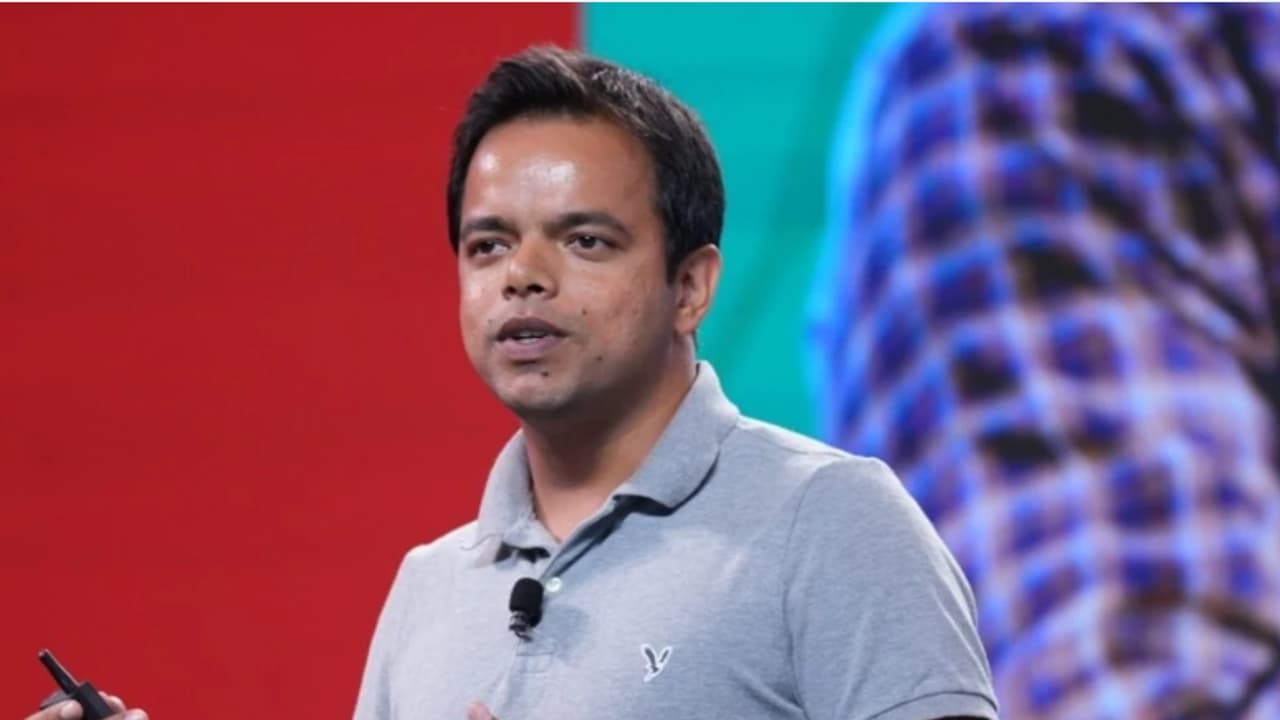
The Indian government introduced a new fee on merchant UPI transactions exceeding two thousand rupees. While the government insists passing this cost to consumers is strictly illegal, the move has sparked intense debate. BharatAgri executive Siddharth Dialani warned that customers will ultimately bear these expenses.
The debate over UPI charges has intensified after Bengaluru-based entrepreneur and BharatAgri co-founder and CEO Siddharth Dialani warned that customers could eventually bear the cost of the proposed Merchant Discount Rate (MDR) on certain UPI transactions.
The Centre has introduced a nominal MDR of 0.4% on person-to-merchant (P2M) UPI transactions above Rs 2,000. The move has triggered discussion on social media, with concerns that merchants could pass the additional cost on to consumers.
What is UPI MDR?
MDR is a fee paid by merchants to banks and payment companies when customers make digital payments. UPI transactions had remained exempt from MDR since 2020, a policy intended to encourage digital payments and reduce dependence on cash.
The latest change has therefore sparked debate over who will ultimately absorb the cost.
According to the government position cited by Hindustan Times, digital payments will remain free for citizens, and passing merchant costs directly to consumers is illegal and can attract criminal action. Meanwhile, the Congress-led Opposition has criticised the move, describing it as a “UPI tax” and a “betrayal.”
Bengaluru CEO draws Swiggy-Zomato comparison
Dialani argued on X that the experience of food-delivery platforms offers a possible indication of what could happen with UPI MDR.
He recalled how Swiggy and Zomato initially expected restaurants to offer discounts because online orders brought additional business and did not require restaurants to provide tables, air conditioning or waiting staff.
Check the viral post here:
Scroll to load tweet…
However, according to Dialani, restaurants continued charging aggregators the same prices as dine-in customers. This led food-delivery platforms to introduce additional charges such as mark-ups, platform fees and delivery fees.
“Customers ended up paying those additional fees,” Dialani wrote in his X post.
He then drew a parallel with UPI MDR, arguing that merchants and banks could choose not to absorb the cost associated with digital payments.
“There lies a learning for MDR on UPI,” he said, concluding that “customers will end up paying the fee.”
The comments have added another layer to an already heated discussion over the future cost of digital payments in India, particularly for purchases above Rs 2,000.