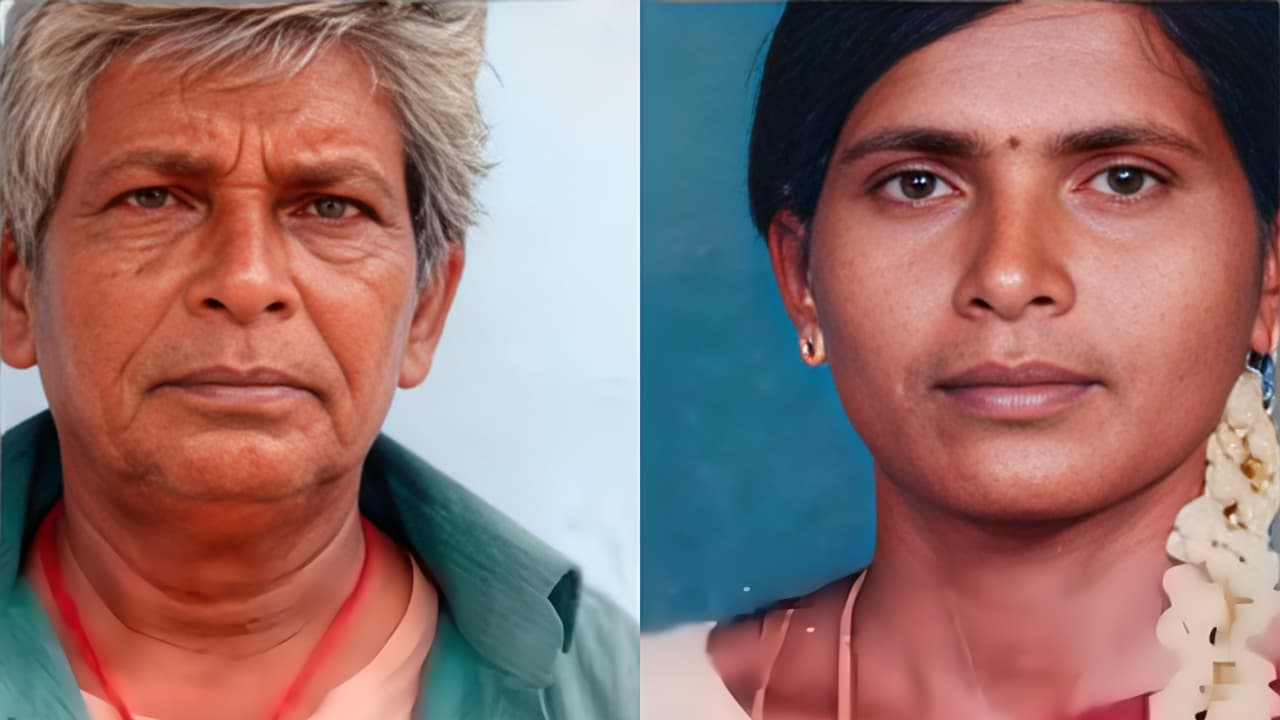
Living as a man involved far more than changing clothes. Muthu also learnt to smoke beedis because she believed it helped make the disguise more convincing.
“The beedi has been a good cover for me,” she told TOI.
She recalled once returning home late when a drunk man approached her. Muthu immediately lit a beedi. The man asked for a match and addressed Muthu as ‘brother’, apparently accepting the male appearance without question.
Such moments strengthened Petchiammal’s belief that presenting herself as a man offered a level of protection she did not feel she had as a lone woman.
Still, maintaining the identity brought its own difficulties.
Public toilets, crowded spaces and situations where men were expected to remove their shirts required constant caution.
Muthu still visits the Tiruchendur temple, according to the report, but does not enter the sanctum because male devotees have to remove their shirts.
Hiding periods became another struggle
For years, Petchiammal also had to hide menstruation while working and living among people who believed she was a man.
She described it as difficult and said she had to remain especially careful every month.
She took tablets to manage pain and continued working so that nobody would suspect anything was different.
According to her account, menopause came early, at around 40.
For Petchiammal, all these difficulties were part of the choice she had made.
“When you make a choice, shouldn’t you do everything it demands?” she said.
Her decision, she has repeatedly explained, was driven by survival rather than a wish to make a statement about gender identity.
She wanted to remain a widow, work and raise her daughter independently.