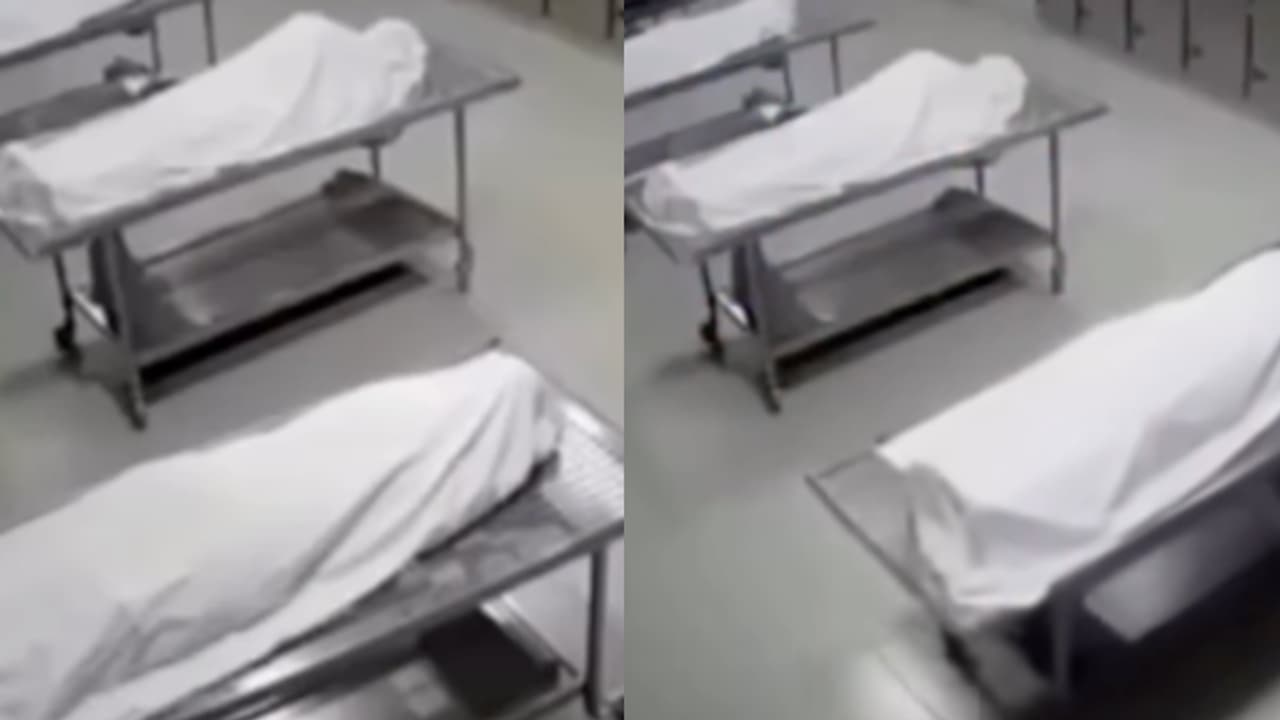
A viral video purporting to show a body sitting up in a Delhi AIIMS morgue has been widely debunked. Originally identified by Gen Voice news as footage from a Russian television show, subsequent analyses by fact-checkers indicate the video is AI-generated, creating false panic and supernatural.
A draped figure. Rising from a morgue table. That’s what a viral social media video showed, sparking panic. The clip, circulating on Instagram, used Hindi captions to falsely claim it was a “terrifying, mind-blowing sight inside the Delhi AIIMS morgue.” Fact-checkers quickly debunked it, pointing to either a Russian TV show or artificial intelligence generation.
The disturbing footage showed itself as security camera content, supposedly shot in the dead of night. This made it seem chillingly real. That fabricated scenario, along with the fake Delhi location, quickly worried social media users. Fact-checking entities had to act fast.
Immediate Reactions and the Spread of a Hoax
Public concern exploded. The video’s graphic content and its claimed origin from a Delhi hospital morgue made it spread like wildfire. Users quickly shared the clip, often adding comments about fear, shock, or supernatural beliefs. Those false Hindi captions played a key role, anchoring the hoax to a specific location. This made the misinformation potent for local audiences, pushing it to go viral across platforms.
Tracing the Deception: Initial Russian Origin Identified
July 4, 2026. On that day, Gen Voice news on Instagram became one of the first to tackle the viral video. They offered a key initial debunking. The outlet clarified the footage did not come from India; it originated from a Russian television show. This directly countered the Hindi captions.
40,000 likes and 1,813 comments. That’s what the debunking post from genvoicenews received on July 4, 2026. This Instagram post, created to clarify the video’s true origin, drew huge public attention and engagement. It showed widespread interest in the truth behind the viral content and how people relied on credible sources for verification.
The Evolving Deception: AI’s Role in Fabricating Reality
But the deception ran deeper. While Gen Voice initially pointed to a Russian TV show, later investigations uncovered a far more sophisticated trick. Further forensic analysis, following Gen Voice’s report, indicated the video did not just come from a misattributed clip. It was a sophisticated fabrication.
DFRAC, a prominent fact-checking organization, concluded on July 7, 2026: the video was AI-generated. Experts, after detailed forensic analysis, observed several tell-tale visual inconsistencies common in AI content. For example, the draped figure suddenly changed direction, and experts identified discrepancies in shadows—suggesting no natural light interaction.
Times Headline, through its independent investigation on July 8, 2026, echoed these findings. Their report confirmed artificial intelligence entirely generated the claimed CCTV footage from the Delhi AIIMS mortuary; it was not authentic. This analysis shifted the explanation from a misidentified show to a deliberately constructed AI simulation.
Advanced AI detection tools backed these conclusions even further. 99.9% AI-generated. That’s what Deepfake-O-Meter, a specialized tool for manipulated media, registered the video as. Detectvideo.ai also showed it was AI-generated, pointing to various signal analyses that flagged artificial creation over genuine footage.
Combating Misinformation in the Age of Advanced AI
Misinformation is a growing challenge. This deceptive content’s rapid spread and sophisticated nature show that. Users face increasing exposure to viral videos exploiting drama or supernatural themes, now often enhanced by highly realistic AI. This causes panic and erodes trust.
This incident serves as a key reminder. Viewers must exercise extreme caution, critically evaluate sources, and verify information through trusted fact-checkers before sharing anything unverified online. The ease with which such AI-generated hoaxes proliferate demands increased digital literacy and a collective commitment to fact-checking. We must protect public perception.