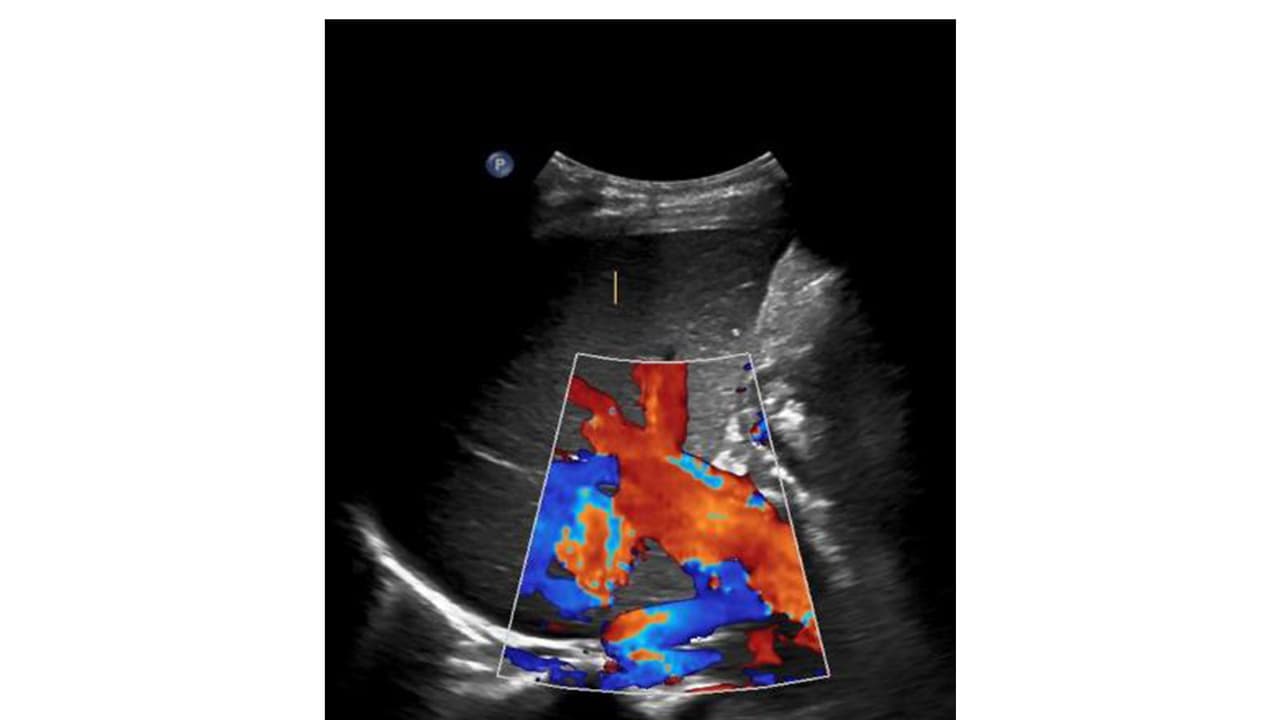
Delhi doctors removed a giant 1.16-kg hairball from a 20-year-old student’s stomach. The trichobezoar was a result of trichophagia, a condition where she consumed her own hair for 11 years, requiring a complex surgical procedure for removal.
A Complex Surgical Challenge
Speaking about the case, Dr (Prof) Sandeep Aggarwal, Chairman, Manipal Institute of Minimal Access, Bariatric, GI & Robotic Surgery, Manipal Hospital Dwarka, said, “Trichobezoars can remain undetected for years because patients may not always recognise hair-eating as a medical concern or may not disclose it during routine consultations. In this case, the large size and density of the mass made its removal particularly challenging.”
Multi-Step Surgical Approach
“Initially endoscopic fragmentation was attempted, but given the extent of the mass, it could not be removed completely through the endoscope. We therefore proceeded with laparoscopic guidance to plan our surgical approach,” he said in a press release.“The stomach was completely packed with this huge trichobezoar and there was hardly any space for manipulation of the mass. The situation was quite complex because there was a risk of injury to the stomach lining. So, a small abdominal incision was used to safely release the mass from the stomach lining and extract the mass in its entirety,” Dr Aggarwal added.
Post-Surgery Recovery and Future Care
Following the surgery, the patient’s symptoms improved significantly, with her appetite and ability to tolerate food gradually returning. She subsequently gained weight and returned to her studies.Doctors said the case highlights the importance of recognising persistent gastrointestinal symptoms and unusual eating behaviours at an early stage. Alongside surgical treatment, early recognition of trichophagia and appropriate psychological support are important to address the underlying behaviour, prevent recurrence and support long-term recovery.Manipal Hospital said it remains committed to providing multidisciplinary care for complex cases by combining minimally invasive surgical expertise with appropriate psychological support to improve patients’ quality of life. (ANI)(Except for the headline, this story has not been edited by Asianet Newsable English staff and is published from a syndicated feed.)