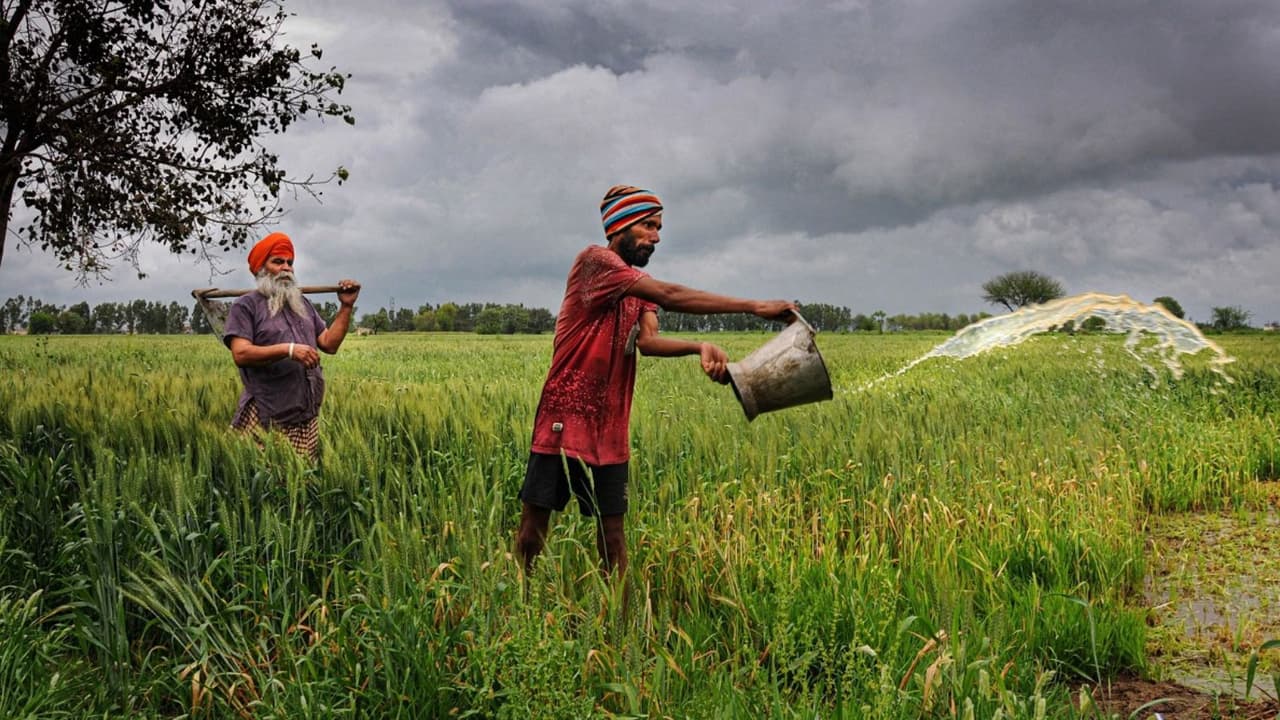
One of the strongest El Niño events ever recorded, worsened by climate change, is leaving 60 million people at risk of hunger across Africa, Latin America, the Pacific and beyond.
The strongest El Niño in years, intensified by climate change, has combined with extreme weather to put 60 million people at risk of hunger worldwide. The United Nations humanitarian agency warns that the scale of damage is overwhelming, with droughts, floods and ruined harvests affecting communities across East and Southern Africa, the Pacific, Latin America and the Caribbean.
In Ethiopia alone, 10.2 million people are in an acute state of food insecurity and urgently need international assistance. Across Somalia, Eritrea, Djibouti and South Sudan, nearly 12 million more are struggling with food shortages. Southern Africa faces one of its worst crises in decades, with 28 million people food insecure, nearly half of them in South Africa.
Human Toll Of The Crisis
The impact is deeply personal. Lule Abrahn, 50, from Ethiopia, described the devastation: “People talk about the climate. Each day we talk about the drought and the things we have lost. We are expecting rain in the next 4 months, but only god knows if it will come and what our situation will be. We have been very affected by the drought. All our livestock died. We had 50 goats.”
Communities in Central America’s “dry corridor”, Guatemala, Nicaragua, Honduras and El Salvador are facing one of the worst droughts in decades, leaving 3.5 million people struggling to access food. In the Pacific, up to 4.7 million people across 13 countries remain at risk from drought, cyclones and erratic rainfall.
Organisations are working globally to help people cope with extreme weather, crop failures and food shortages. Yet many are already facing severe hardship. At the Paris climate summit in December, governments promised to increase financial commitments to support vulnerable countries, but failed to set strong targets. The current food crisis shows the consequences of underinvestment in adaptation and resilience.
World leaders are being urged to act before the crisis spirals further. Advocacy groups demand that governments set quantified targets to significantly increase adaptation finance by 2020, as pledged in Paris, so the poorest can cope with climate impacts that have become the new normal.
Immediate humanitarian funding is also needed for countries facing acute emergencies. Leaders are expected to meet at the United Nations in Geneva on April 26 to respond to the devastating effects of El Niño. Campaigners insist this is the moment to release the cash urgently required to save lives now and in the future.