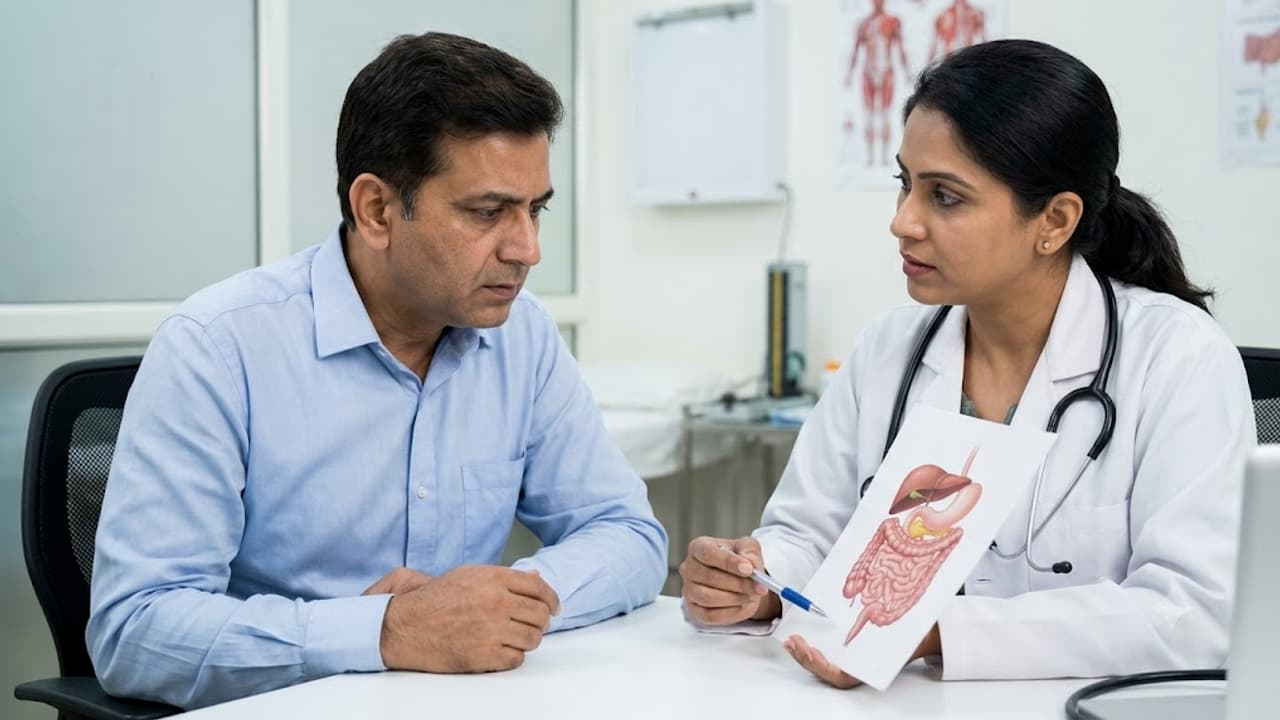
Conditions such as coeliac disease and inflammatory bowel disease, including Crohn’s disease and ulcerative colitis, are also being diagnosed more frequently.
A community-based AIIMS study found coeliac disease in around one in 96 people in northern India.
Experts say some of the increase may be due to better awareness and improved diagnostic facilities. However, changing environmental and lifestyle factors may also be contributing.
For patients, delayed diagnosis can make these conditions more difficult to manage. Symptoms such as persistent diarrhoea, abdominal pain, bloating, unexplained weight loss and blood in stools should not be repeatedly ignored or treated without proper evaluation.
The focus must shift towards early detection
India’s changing digestive disease burden shows why prevention and early diagnosis are becoming increasingly important.
Doctors say the country has skilled specialists and advanced medical technology, but many patients still seek help only after symptoms become severe.
The message from experts ahead of WCOG 2026 is clear: persistent gastrointestinal symptoms should be taken seriously.
Early testing can help identify fatty liver disease, cancer and chronic digestive disorders before they cause major complications. At the same time, healthier lifestyles and stronger public awareness could reduce the risk of several metabolic diseases.
As India continues to fight old infections, it must also prepare for a future in which obesity, diabetes, fatty liver and digestive cancers form a much larger part of the country’s healthcare burden.
(With inputs from agencies)