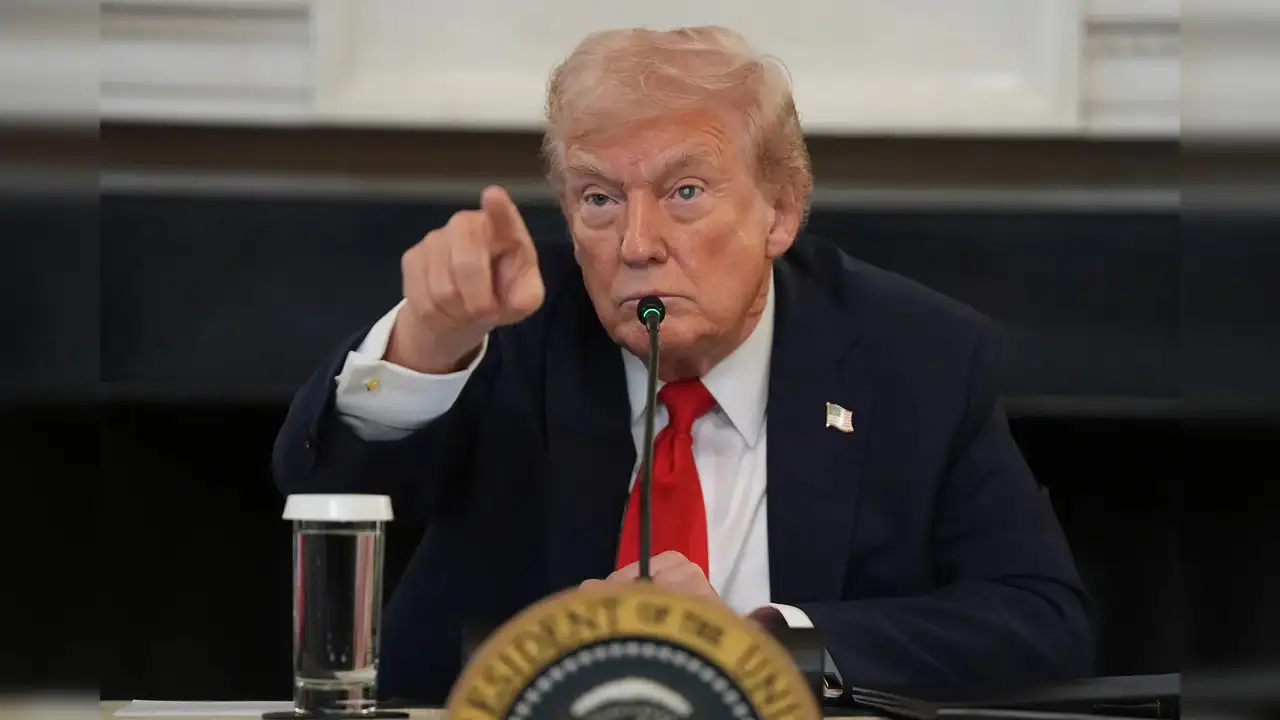
New Delhi: Even as India and the United States continue negotiations on a proposed bilateral trade agreement, Washington has put New Delhi in the spotlight through a fresh set of trade findings that could potentially lead to additional tariffs on imports from India.
The Office of the United States Trade Representative (USTR) has named India among 54 economies that it says have failed to adequately prohibit or effectively prevent the import of goods allegedly produced using forced labour. Based on the findings of its Section 301 investigations, the USTR has proposed additional duties ranging from 10% to 12.5% on imports from affected economies.
The development comes at a sensitive moment, with Indian and US officials currently engaged in a three-day round of trade discussions in New Delhi aimed at advancing a long-pending trade deal.
Why India Has Been Named
The USTR released the findings of 60 investigations launched earlier this year under Section 301 of the US Trade Act of 1974. According to the agency, India is among the countries that do not have sufficiently effective measures in place to prevent the importation of goods produced with forced labour.
India is not alone. The list includes several major US trading partners such as the United Kingdom, Japan, Australia, South Korea, Israel, Saudi Arabia, Singapore and Vietnam, among others.
In particular, the US Trade Representative determined:
The following 54 economies have failed to impose and effectively enforce a prohibition on the importation of goods produced with forced labour:
Algeria; Angola; Argentina; Australia; the Bahamas; Bahrain; Bangladesh; Brazil; Cambodia; Chile; China, People’s Republic of; Colombia; Costa Rica; Dominican Republic; Egypt; El Salvador; Guatemala; Guyana; Honduras; Hong Kong, China; India; Iraq; Israel; Japan; Jordan; Kazakhstan; Kuwait; Libya; Malaysia; Morocco; New Zealand; Nicaragua; Nigeria; Norway; Oman; Peru; the Philippines; Qatar; Russia; Saudi Arabia; Singapore; South Africa; South Korea; Sri Lanka; Switzerland; Taiwan; Thailand; Trinidad and Tobago; Türkiye; United Arab Emirates; United Kingdom; Uruguay; Venezuela; and Vietnam.
What Tariffs Has The US Proposed?
Under the USTR proposal, countries that already enforce import bans on forced-labour goods, have committed to introducing such measures through reciprocal trade arrangements, or maintain partial restrictions could face an additional tariff of 10%.
Countries deemed not to meet those standards could be subjected to an additional duty of 12.5%. The USTR has also proposed a separate framework for textiles and apparel that would allow a specified volume of imports from certain economies to enter the US at a lower Section 301 tariff rate.
The agency has indicated that it may pursue further trade actions based on the outcome of these investigations.
USTR’s Position
Defending the move, US Trade Representative Ambassador Jamieson Greer argued that inadequate enforcement against forced-labour imports creates unfair competition for American workers.
“The failure of our most important trading partners to address the importation of goods made with forced labor is unacceptable. This creates a dynamic where American workers are forced to compete globally on an unlevel playing field,” Greer said.
The Trump administration has increasingly used Section 301 investigations as a tool to address what it views as unfair trade practices and market distortions affecting US commerce.
What Is Section 301?
Section 301 of the US Trade Act of 1974 gives the USTR authority to investigate the trade practices, policies and actions of foreign governments.
If an investigation concludes that a country’s policies are unfair, discriminatory or place an unreasonable burden on US commerce, Washington can respond with a range of measures, including higher tariffs, import restrictions or other trade remedies.
The findings do not automatically result in immediate tariffs. However, they introduce a new layer of complexity to ongoing India-US trade negotiations, which have focused on expanding market access, reducing trade barriers and deepening economic ties.