The U.S. Treasury Department’s plan to artificially suppress long-term borrowing costs could backfire by weakening the dollar and reigniting inflationary pressures, Citadel warns.
- Citadel Securities labeled the Treasury’s expanded bond buyback initiative as “financial repression.”
- Senior U.S. Treasury officials indicated that the administration may use its nearly $1 trillion Treasury General Account (TGA) at the Federal Reserve to fund long-term bond purchases.
- Treasury Secretary Scott Bessent defended the timing of the interventions, arguing the buybacks aim to maintain market equilibrium and calm volatility.
U.S. Treasury Department efforts to cap rising long-term borrowing costs through aggressive bond buybacks are drawing sharp criticism from market analysts, who warn the strategy risks destabilizing the U.S. dollar and reigniting domestic inflation.
Treasury Secretary Scott Bessent recently expanded the government’s buyback program after yields on long-dated Treasuries climbed to multi-year highs. Under the updated framework, the Treasury doubled its planned purchases of off-the-run, long-term government bonds from $2 billion to at least $4 billion, targeting 10- to 30-year securities.
Citadel Securities Warns Of Currency Spillover
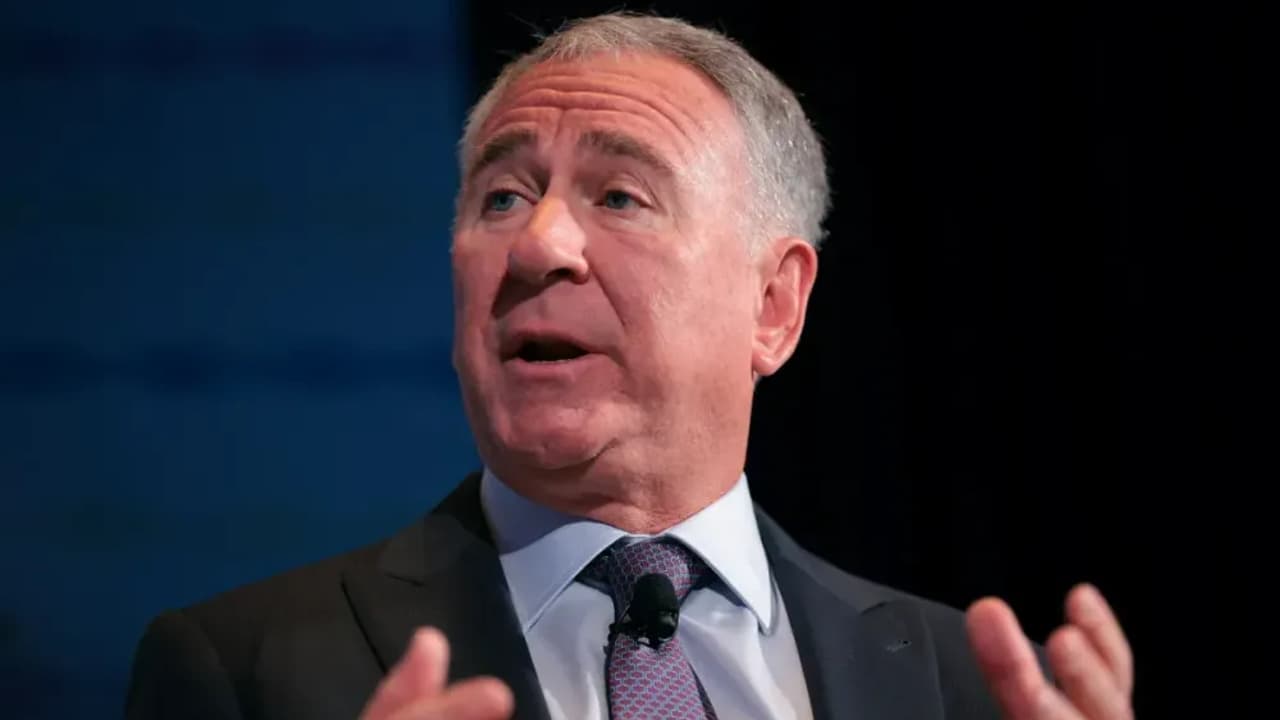
Financial institutions have questioned the long-term sustainability of the government’s interventions. In a note to clients accessed by Bloomberg, Nohshad Shah, head of EMEA fixed-income sales at Citadel Securities, described the policy as a form of “financial repression” that fails to solve the underlying drivers of surging yields.
Shah argued that attempting to prevent Treasuries from repricing lower does not eliminate fundamental market pressures created by loose fiscal policies, heavy spending on artificial intelligence, and a tight labor market. Instead, suppressing bond yields reduces the global appeal of holding U.S. debt, pushing market adjustments into foreign exchange. Consequently, a declining U.S. dollar risks loosening overall financial conditions and driving up import costs, creating fresh inflationary pressures.
Following the buyback announcement, long-term U.S. bond yields quickly reversed early gains, while gold prices surged and the U.S. dollar weakened. Shah noted that durable economic stability requires tighter fiscal policy and decisive central bank action, not persistent market interventions.
Tapping The Treasury General Account
To finance the expanded buybacks, senior Treasury officials could tap the Treasury General Account (TGA)—the federal cash balance held at the Federal Reserve—which currently stands near $1 trillion, CNBC exclusively reported.
While market participants initially expected the Treasury to fund the buybacks by issuing short-term bills, drawing down the TGA would provide substantial immediate capital without increasing short-term market issuance. Using internal funds also avoids relying on direct intervention or monetary easing from the Federal Reserve.
Officials noted that reducing the cash balance poses minimal immediate operational risk, as a potential federal debt ceiling impasse is not expected until at least early next year, leaving ample time to replenish the fund.
Bessent Defends Strategy
Treasury officials pushed back against claims that the unannounced buyback expansion violated the department’s standard “regular and predictable” issuance policy. Officials emphasized that auction schedules remain unchanged and that markets had several weeks to adjust before the scheduled September execution date.
Bessent said the intervention is designed to anchor market fundamentals and reduce volatility during thin trading periods, giving the administration time to implement broader budget stabilization plans and capture upcoming tariff revenues.
The iShares 20+ Treasury Bond ETF (TLT) gained 0.9%, while the SPDR S&P 500 index (SPY) fell 0.2%, Invesco QQQ (QQQ) lost 0.7%, and SPDR Dow Jones Index (DIA) rose 0.3% at the time of writing.
For updates and corrections, email newsroom[at]stocktwits[dot]com.<