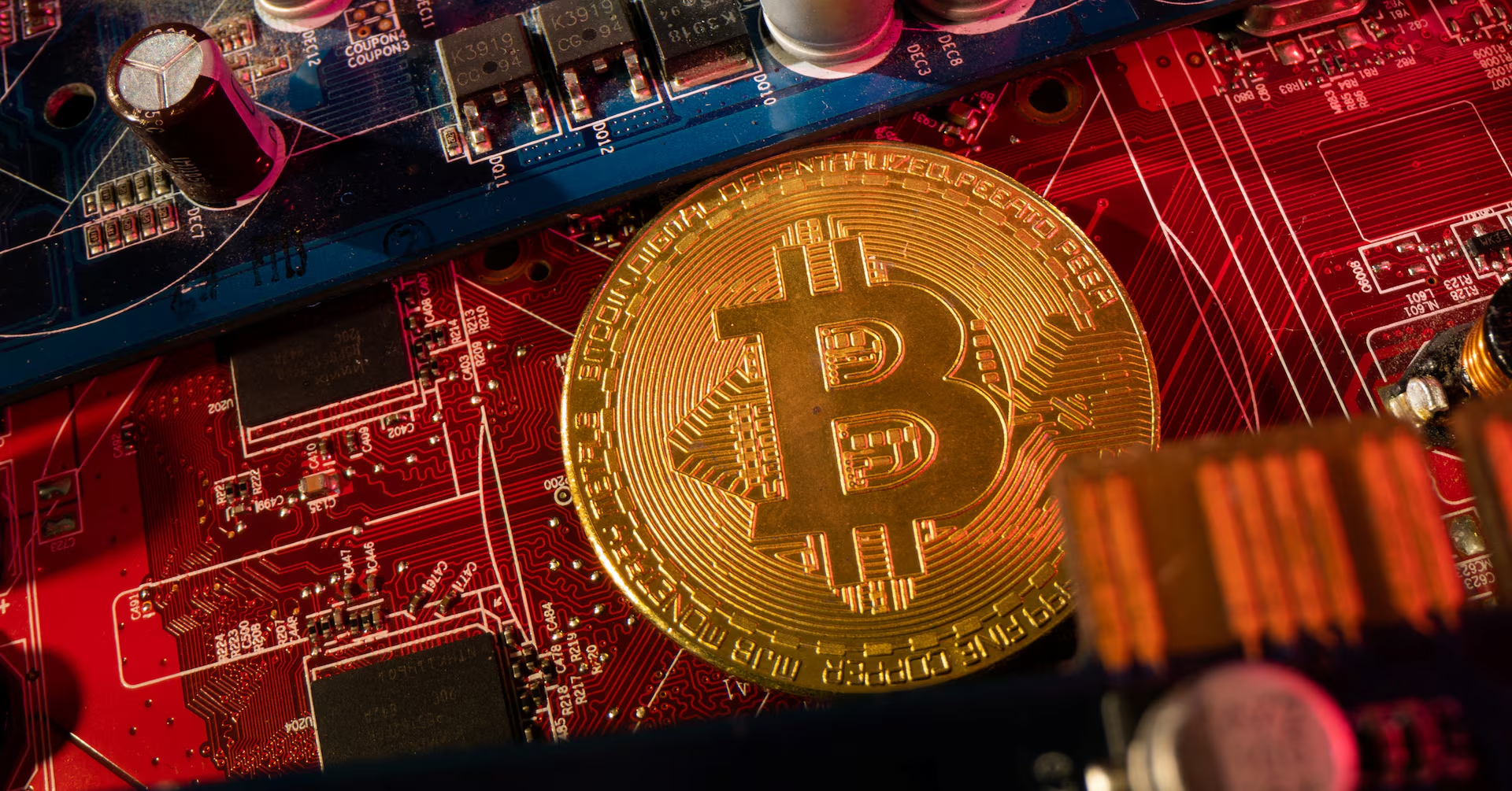
Digital currencies are usually mined from large-styled operations that are filled with thousands of computers equipped with high-processing power. Large scale mining operations consume a significant amount of energy to maintain their computer systems and have the majority of control over the entire network. However, every once in a while, an everyday hobbyist strikes digital gold. Over the weekend, a solo home miner defied astronomical odds, successfully processing a Bitcoin block using a basic consumer-grade machine and walking away with a life-changing reward of roughly $232,000.
A Lottery Ticket Made of Silicon
The extraordinary event took place when the network processed block number 951771. Instead of the reward going to a massive corporate mining pool, the winning calculations were submitted through . This specific platform is designed for independent operators who choose not to combine their computing power with others. By operating independently, this individual took on massive risk but ensured they would keep the entire block reward for themselves rather than splitting it among thousands of other participants.
Breaking Down the Winning Hardware
What makes this victory so remarkable is the equipment involved. The winning machine was a Canaan Avalon Nano 3S, a compact device that currently retails for about $300. It is specifically designed for casual home use, operating quietly and drawing only 140 watts of power. The manufacturer even markets the small device as a dual-purpose machine that can act as a quiet space heater for colder rooms. While the user reportedly ran a small fleet of these devices, network data confirmed that one single Nano 3S was responsible for the winning calculations.
Understanding the Astronomical Odds
To fully grasp the magnitude of this win, you have to look at the math. The global Bitcoin network is incredibly powerful, operating at speeds that are difficult to comprehend. Taking into account how vast the entire field of computer block chain may be, the odds of this little computer being able to find the right block were about 149 Million to 1.
Given that this same machine works continuously and never stops, probability models indicate that it would take around 3000 years for this computer to solve one block by itself.
The Massive Reward for a Small Machine
Against all odds, the machine identified the correct sequence of blocks at an optimal point in time, which allowed for these transactions to be validated. As a result, the total reward earned for this particular transaction contained approximately 3.14 BTC (which consists of the standard scheduled network subsidy) and additional user-paid fees (transaction fees). Given the market price of the digital asset at the time, the total financial compensation landed comfortably near $232,000. It is a stunning return on investment for a piece of hardware that costs less than a standard video game console.
A Renewed Interest in Hobby Mining
Major corporations are still the most influential players in the networked environment; however, instances like this demonstrate that fairness is built into its fundamental principles. There is no advantage to a larger bank account in casual play; the response is based exclusively on who gets to the solution first. This occurrence marks an exciting moment for all of us who enjoy working on projects as a hobby/entertainment resource since most people do not realize how difficult it is to successfully mine block(s) independently.