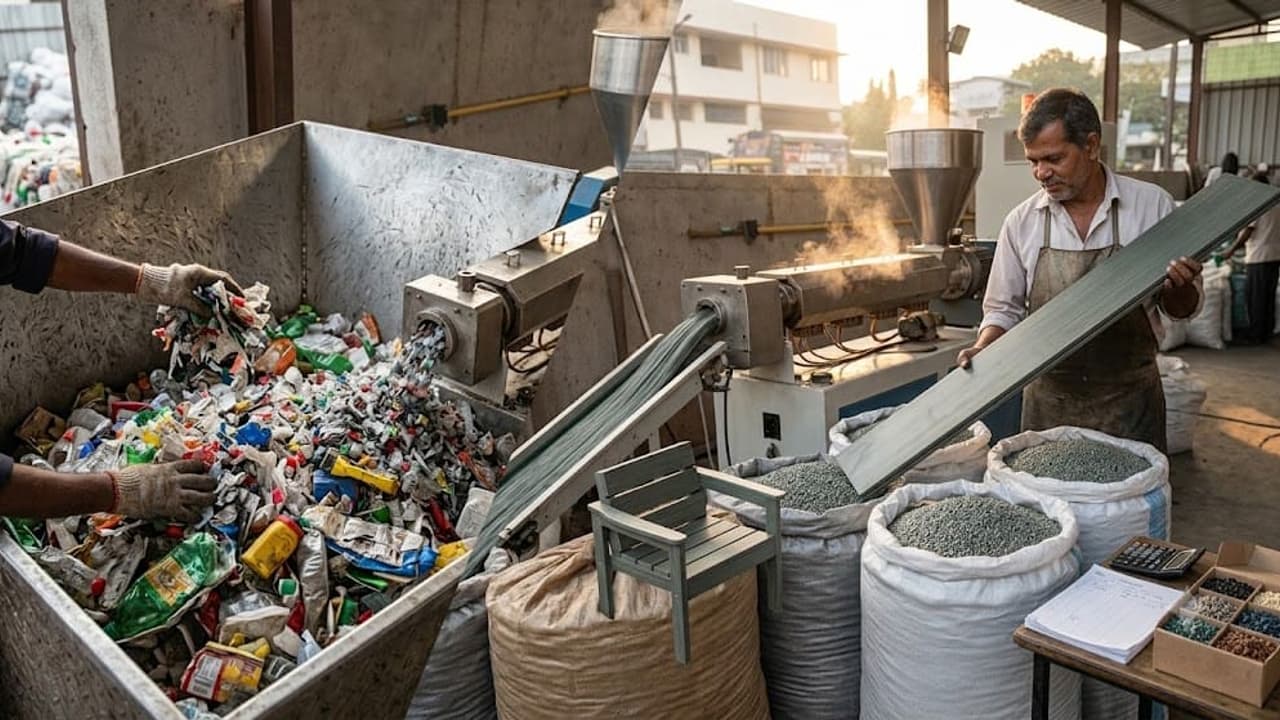
An Indian entrepreneur has successfully built a business generating Rs 40 lakh monthly from plastic waste. The model involves buying discarded plastic at a low cost, processing it, and channeling it into the recycling industry.
A remarkable business story about turning waste into wealth is gaining attention after a man reportedly built a business generating around Rs 40 lakh every month by buying discarded plastic for just Rs 13 per kg.
The story highlights how an item commonly viewed as worthless waste can become valuable when it is collected, processed and channelled into the recycling industry. Instead of allowing discarded plastic to end up in landfills or pollute public spaces, the entrepreneur saw an opportunity to create a business around its recovery and reuse.
Check the viral post here:
Scroll to load tweet…
The model revolves around sourcing plastic waste at a low cost and converting it into a commercially useful resource. The venture demonstrates how the growing need for sustainable waste management can create opportunities for entrepreneurs while also addressing one of India’s biggest environmental challenges.
Plastic waste remains a major concern because many plastic products do not decompose easily. When improperly disposed of, they can accumulate in landfills, clog drainage systems and enter rivers and other water bodies. Recycling and reprocessing can help keep a portion of this material in circulation instead of sending it directly to waste dumps.
What makes the entrepreneur’s journey particularly striking is the gap between the purchase price and the reported monthly business earnings. Buying discarded plastic at Rs 13 per kg might appear to offer little scope for a major business. However, the venture shows how scale, processing and demand for recycled material can potentially transform low-value waste into a significant commercial opportunity.
The story has also prompted interest among social media users because it combines entrepreneurship with sustainability. It offers an example of how businesses based on recycling can potentially generate employment and income while encouraging better waste-management practices.
The venture’s success also underlines an important point about the circular economy: materials considered useless after their first use can acquire a second economic life when they are collected and processed effectively.
While the reported Rs 40 lakh monthly figure has drawn the most attention, the larger takeaway is the business opportunity hidden within India’s enormous waste stream. For entrepreneurs willing to look beyond conventional industries, discarded materials can sometimes represent raw material rather than rubbish.
The story is therefore not just about making money from plastic. It is also about recognising value where others see waste—and turning an environmental problem into a potentially profitable business opportunity.