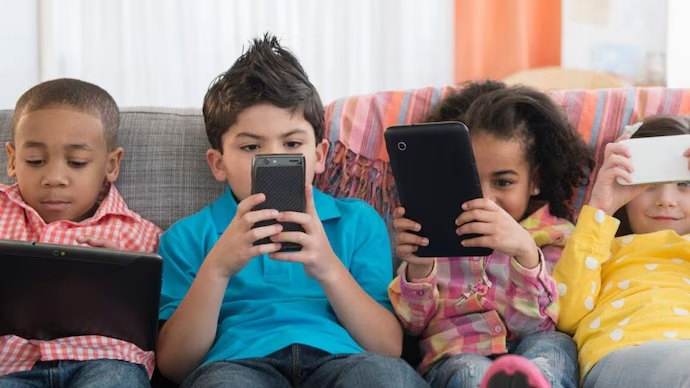
In an era where smartphones, tablets, televisions, and computers have become an integral part of everyday life, children are growing up in a world dominated by screens.
From attending online classes and completing homework assignments to watching videos, scrolling through social media, and playing games, digital devices occupy a significant portion of their day. While technology has transformed education and entertainment, experts are increasingly concerned about the impact excessive screen exposure is having on children’s eyesight.
Eye specialists are reporting a rise in complaints related to eye strain, dry eyes, headaches, blurred vision, and worsening myopia, commonly known as short-sightedness. What makes the issue particularly concerning is that many children are developing poor visual habits at an early age, potentially affecting their long-term eye health.
Experts believe that while screens themselves are not the enemy, the way children use them and the amount of time they spend on them can have lasting consequences.
According to Dr. Jai Kelkar, Director, NIO Super Specialty Hospital, Pune, finding a healthy balance between screen time and outdoor activities is one of the most effective ways to safeguard children’s vision.
HOW EXCESSIVE SCREEN TIME AFFECTS CHILDREN’S EYES
When children spend long periods looking at screens, they tend to blink less frequently. Blinking is essential for keeping the eyes moist and comfortable. Reduced blinking can lead to dry eyes, irritation, and discomfort.
Extended screen use can also cause digital eye strain, a condition characterised by symptoms such as:
- Eye fatigue
- Headaches
- Blurred vision
- Neck and shoulder pain
- Difficulty focusing
Children often become so engrossed in digital activities that they fail to take breaks, further increasing stress on their eyes. Over time, these habits may contribute to the progression of myopia, a condition that is becoming increasingly common among school-age children worldwide.
WHY OUTDOOR TIME MATTERS
Experts emphasise that outdoor play offers more than just physical exercise—it also plays an important role in healthy eye development.
Research suggests that spending at least 45 minutes to one hour outdoors every day may help slow down or reduce the progression of myopia in children. Exposure to natural sunlight is believed to support healthy eye growth and development.
Outdoor activities also naturally reduce screen exposure. Whether children are riding bicycles, playing sports, running in a park, or simply going for a walk, these activities encourage them to focus on objects at varying distances, giving their eyes a much-needed break from close-up work.
The benefits of outdoor play include:
- Reduced risk of worsening myopia
- Less eye strain
- Improved overall physical health
- Better mental well-being
- Reduced dependence on digital devices
WARNING SIGNS PARENTS SHOULD WATCH FOR
Parents play a crucial role in identifying vision problems early. Certain behaviours may indicate that a child is experiencing eye-related issues due to excessive screen use or other visual stress.
Some common warning signs include:
- Sitting very close to the television
- Squinting frequently
- Complaining of headaches
- Rubbing the eyes often
- Holding books or devices too close to the face
- Difficulty concentrating while reading
If parents notice these symptoms, experts recommend scheduling an eye examination as soon as possible. Early diagnosis can help prevent minor issues from developing into more serious vision problems.
PRACTICAL WAYS TO REDUCE SCREEN-RELATED EYE PROBLEMS
Creating healthy screen habits at home can significantly reduce the risk of eye strain and vision issues.
- FOLLOW THE 20-20-20 RULE
One of the simplest and most effective strategies is the 20-20-20 rule. After every 20 minutes of screen use, children should look at something 20 feet away for at least 20 seconds. This helps relax the eye muscles and reduce strain.
- SET DAILY SCREEN LIMITS
Establishing reasonable boundaries for recreational screen use can encourage children to engage in other activities. Parents can create schedules that balance study time, entertainment, and outdoor play.
- ENCOURAGE OUTDOOR ACTIVITIES
Aim for at least one hour of outdoor play every day. Sports, cycling, walking, and playground activities can all contribute to healthier vision habits.
- CREATE SCREEN-FREE ZONES
Experts recommend limiting device use in bedrooms and at the dining table. These areas can be designated as screen-free spaces to encourage healthier routines and family interaction.
- ENSURE PROPER READING HABITS
Parents should remember that prolonged near work is not limited to screens. Spending long hours reading, especially in poor lighting conditions, can also strain the eyes. Children should read in well-lit environments and take regular breaks.
PARENTS MUST LEAD BY EXAMPLE
Children often imitate the habits they observe at home. If parents are constantly on their phones, it can be difficult to convince children to reduce screen use.
Experts suggest that parents model healthy digital behaviour by putting away devices during family time, meals, and outdoor activities. Encouraging hobbies, household chores, and active play can also help children develop a healthier relationship with technology.
Technology is an unavoidable part of modern life and offers numerous educational and recreational benefits. However, experts stress that moderation is essential. The goal is not to eliminate screens but to ensure they are used responsibly.
By combining sensible screen habits with daily outdoor play, parents can help protect their children’s vision while allowing them to enjoy the advantages of the digital world. As concerns over childhood eye problems continue to grow, the choices families make today could have a significant impact on the long-term eye health of the next generation.