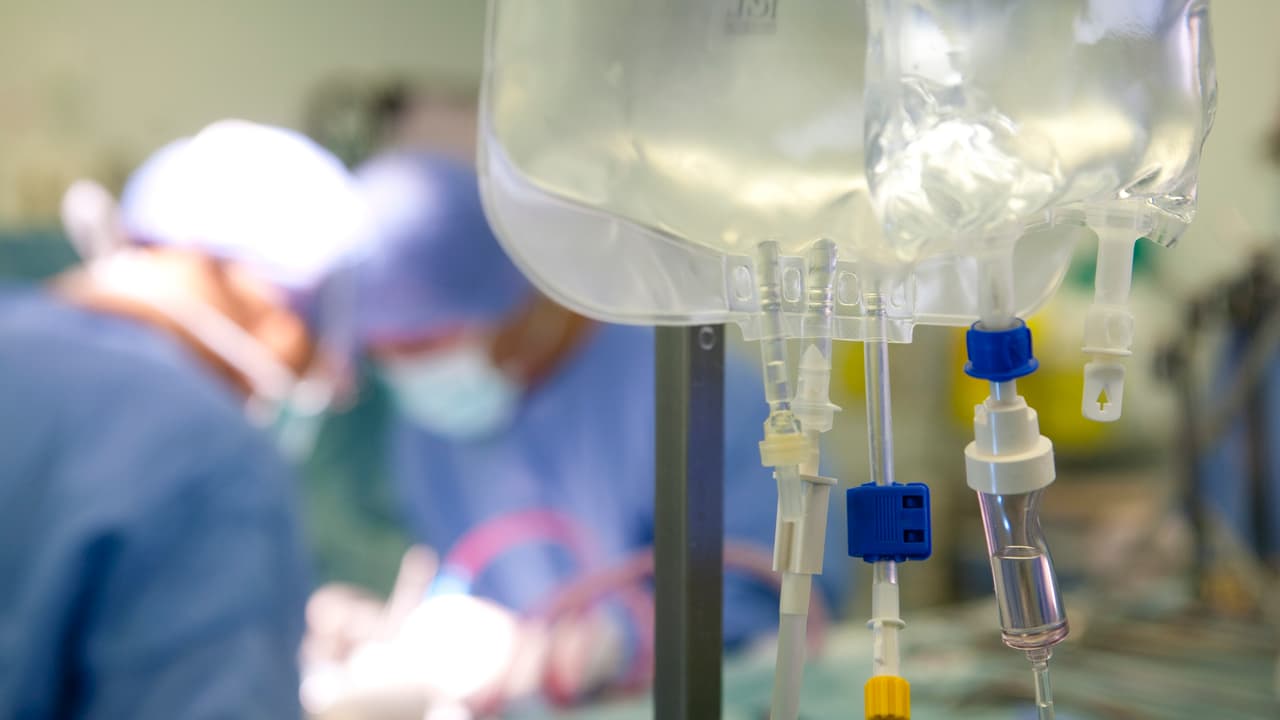
The immune system can recognise a transplanted organ as foreign and attack it, leading to rejection. In kidney transplants, doctors use induction therapy during the critical early phase, followed by long-term maintenance medicines such as tacrolimus and steroids. Treatment is carefully adjusted to protect the organ while reducing infection risks.
Your body is like a well-guarded building with a strict immune system. It’s on the lookout for unwanted visitors such as bacteria, viruses, and other nasty germs. This system is divided into 2 major parts: the innate immune system and the adaptive immune system. The immune system has many cells, including T cells, B cells, and antibodies.
• The innate system, the security guard at the gate, is often the first line of defense. It reacts fast at anything unusual.
• The adaptive system is like a team of detectives. It identifies intruders, remembers them, and is better prepared the next time.
What happens when a new organ is placed inside this system?
The body sees it as something foreign. When a kidney, liver, or any other organ is transplanted from another person, the body quickly notices that it doesn’t match its own tissues. Every cell in your body has a kind of “identity tag”. A transplanted organ carries a different one. To the immune system, this looks like an unknown person trying to enter a secure building with a different ID card. The body doesn’t know the organ was given to save a life. It only sees something unfamiliar and starts defending itself. This reaction is called rejection.
The rejection rate varies from person to person and usually depends on the organ and the immune system of the patient. The kidney is particularly sensitive and that’s why the careful control of the immune system is so important in kidney transplants.
Doctors Warn Young Adults As Vodka Energy Drink Trend Gains Popularity! Read On
How do doctors prevent rejection?
Doctors use immunosuppressive medicines to prevent the body from attackig the new organ. You can think of these medicines as instructions telling the immune system, “Calm down, don’t overreact right now.”
Treatment usually happens in 2 steps:
1. Induction therapy
Administered at the time of transplant, often by injections or IV medicines, induction therapy is a strong short-term control measure during the most critical phase, when the body is most prone to react.
2. Maintenance therapy
After things settle, the patient continues on daily medicines for a long time. These help keep the immune system calm so it does not attack the new organ later.
In kidney transplants, a common combination includes tacrolimus, mycophenolate, and steroids. Each works in a slightly different way to reduce the immune response.
Returning To Office? Here’s How Mothers Can Continue Breastfeeding Journey!
The goal of these medicines is not to shut the immune system down completely. It is more like adjusting the sensitivity of a security alarm. You want it to ignore the new organ, but still alert you if real infections enter the body. If the immune system is suppressed too little, it may attack the new organ. If it is suppressed too much, the body becomes weak and more prone to infections.
This is why doctors continually adjust the treatment after a transplant to protect the new organ but also keep the body safe from infections. This delicate balance allows transplantation: helping the body accept something new that it would normally reject.
(This article is authored by Dr. Vinod Kumar K, Consultant – Nephrology, Manipal Hospital Kanakapura Road.)