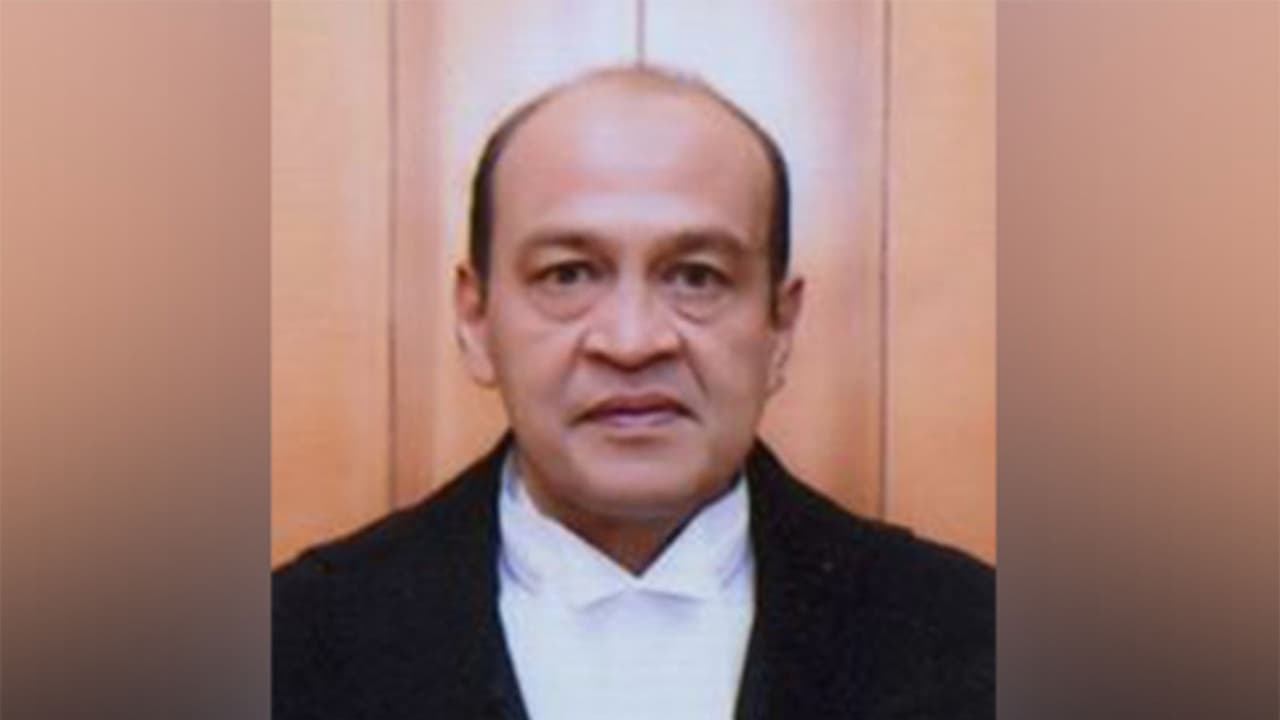
A Lok Sabha inquiry committee found all three charges against former Delhi HC judge Justice Yashwant Varma proved. This relates to unexplained burnt currency at his residence, failure to preserve evidence, and providing ‘evasive’ explanations.
Inquiry finds all charges proved against former judge
New Delhi [India], August 12 (ANI): A three-member inquiry committee constituted by Lok Sabha Speaker Om Birla has held that all three articles of charge against former Delhi High Court judge Justice Yashwant Varma stand proved in connection with the recovery of burnt currency notes from a storeroom at his official residence in New Delhi.
In its report submitted under the Judges (Inquiry) Act, 1968, the committee concluded that “Substantial unexplained Rs 500 denomination currency notes were found inside the storeroom forming part of Justice Varma’s official residential premises.” It also held that material evidence relating to the currency was not properly preserved and that the explanations subsequently furnished by the judge were “evasive, incomplete and misleading in effect”.
Committee’s Findings on Charges
The committee, comprising Supreme Court judge Justice Aravind Kumar as Presiding Officer, Bombay High Court Chief Justice Justice Shree Chandrashekhar and Senior Advocate BV Acharya, examined the circumstances surrounding the fire at Justice Varma’s official residence at 30, Tughlaq Crescent, New Delhi, during the intervening night of March 14 and 15, 2025.
The report said, “The fire services personnel and police officials who reached the premises during and after the firefighting operations saw burnt, partially burnt and wet currency notes inside the storeroom.” The committee noted that photographs and videos taken at the spot also corroborated the presence of currency.
Article I: Unexplained Currency
On Article I, concerning the discovery and possession of unexplained Indian currency within the official premises, the committee said the charge was proved.
The committee said “Its finding did not require a determination that Justice Varma personally owned the currency in the criminal-law sense. Instead, it found that substantial unexplained currency was present within official premises occupied by him and that he failed to satisfactorily account for its presence, source or ownership.”
The committee rejected the contention that the storeroom was outside the judge’s possession merely because it was situated away from the main residential portion and could be accessed by servants or other persons.
The report also noted that the exact amount of cash could not be quantified because the currency was not seized, inventoried or subjected to a panchnama at the relevant time. However, it said, “The absence of precise quantification did not undermine the core finding regarding the presence of substantial currency notes.”
Article II: Failure to Preserve Evidence
On Article II, the committee found that material evidence had not been secured or preserved after the fire. It said, “The storeroom was not sealed at the relevant stage and that the site was subsequently disturbed, resulting in the later non-availability of the currency notes seen by several officials.”
The committee made it clear that its finding on this charge does not rest on direct proof that Justice Varma personally removed the currency. Instead, it was based on the failure to preserve the material evidence, the disturbance of the scene and the unexplained disappearance of the currency that officials had reported seeing.
Article III: Evasive Explanations
On Article III, concerning the explanations and statements furnished by Justice Varma, the committee concluded that the charge was also proved.
The committee examined the judge’s initial response and subsequent defence, including suggestions relating to conspiracy, planting of cash, involvement of staff, removal of currency by first responders and other possibilities.
It observed that Justice Varma was entitled to deny ownership or knowledge of the currency, but said that the explanation did not adequately address the central circumstance that substantial currency notes had been seen by several officials inside the storeroom. The committee further noted, “Several alternative theories raised in the defence were not substantiated through evidence or witnesses.”
According to the report, the explanation remained “evasive, incomplete and misleading in effect” when tested against the material on record. It said the initial broad denial did not satisfactorily engage with the evidence concerning the presence of substantial currency and the subsequent explanations did not establish the alternative theories put forward.
Inquiry Process and Aftermath
The committee also recorded that Justice Varma withdrew from further participation in the inquiry after the evidence of the presenting side had been completed and the matter had reached the stage of defence evidence. The committee proceeded to assess the material already available on record.
In its consolidated finding, the committee stated, “Article I was proved on the basis of the presence of substantial unexplained ₹500 denomination currency within the official premises and the absence of a satisfactory explanation regarding its source or ownership.” Article II was held proved on the ground that material evidence was not secured or preserved, the scene was disturbed before proper sealing and inspection, and the subsequent non-availability of the currency remained unexplained. Article III was also held proved, with the committee concluding that the explanations furnished by Justice Varma were evasive and unsatisfactory when examined against the evidence.
The committee ultimately recorded its final finding that all three articles of charge were proved.
The inquiry followed the discovery of burnt currency notes during the firefighting operation at Justice Varma’s residence in March 2025. The matter subsequently went through the in-house judicial process before Parliament initiated proceedings under the Judges (Inquiry) Act, 1968. Following the controversy, Justice Varma was transferred from the Delhi High Court to the Allahabad High Court. He took the oath as a judge of the Allahabad High Court on April 5, 2025. Justice Varma resigned from his position as a judge of the Allahabad High Court this year in April. (ANI)
(Except for the headline, this story has not been edited by Asianet Newsable English staff and is published from a syndicated feed.)