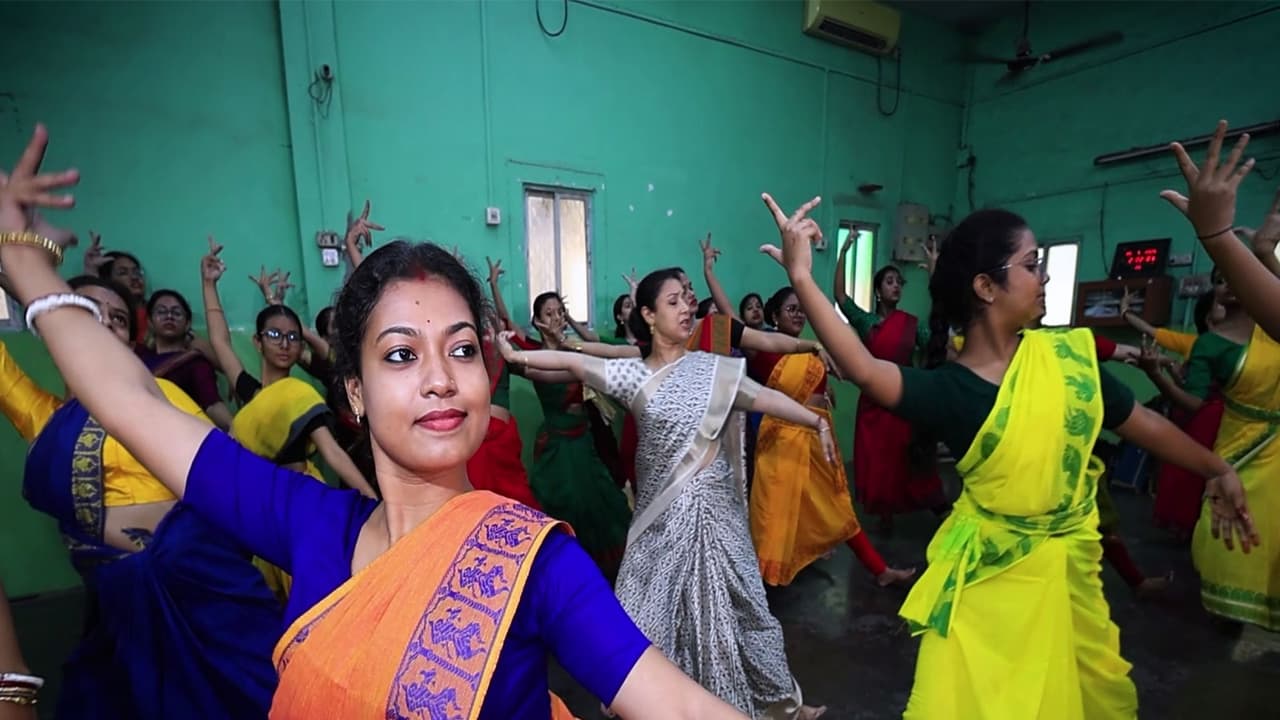
Young artists in Bengal are giving Rabindra Sangeet fresh expressions, blending Tagore’s music with classical dance, modern instruments like saxophones, and digital platforms to connect the centuries-old tradition with a new generation.
Can a centuries-old musical tradition find a new audience through Bharatanatyam, saxophones, guitars and digital platforms? In Bengal, the answer is increasingly yes. A new generation of young artists is giving Rabindra Sangeet fresh expressions while keeping its literary and cultural soul intact.
The Soul of Rabindra Sangeet
Born from the songs of Nobel laureate Rabindranath Tagore, Rabindra Sangeet comprises more than 2,000 compositions that draw from classical ragas as well as Bengal’s folk traditions. Its themes span love, nature, spirituality and the many emotions of human life.
For young artists in Kolkata, the music is more than a performing art–it is a connection to their cultural roots. Artist Shubhanita Ghosh says Tagore’s work has been part of her upbringing from childhood. “We grew up listening to Tagore’s stories, poems and songs. They have always been an important part of our lives.”
A Renaissance Through Fusion
But the younger generation is not simply reproducing the music in its traditional form. Artists are experimenting with new forms of presentation, including combining Rabindra Sangeet with classical dance. Bharatanatyam artist Jhinuk Mukherjee believes Tagore’s works lend themselves naturally to contemporary interpretation because of their emotional depth. “Tagore expressed countless thoughts and emotions through his songs and writings. Almost every emotion of human life can be found in his work,” Jhinuk Mukherjee said.
Blending with Dance and Traditional Instruments
The revival of tradition is also visible in instruments and musical practices. Sukrit Sen, who performs the Shrikhol, a percussion instrument associated with Bengal’s Vaishnava tradition and dating back to the 15th-century Bhakti movement, sees preserving such traditions as a personal responsibility. “This culture is in my blood. It is my responsibility to carry this heritage forward.”
Embracing Modern Sounds and Digital Reach
At the same time, modern instruments and contemporary arrangements are opening up new avenues for traditional Bengali music. Young musicians are experimenting with saxophones, guitars and Western musical arrangements to present familiar compositions to a wider audience. Artist Sharoni Poddar is blending traditional Baul music and Bengali folk sounds with contemporary arrangements, while also creating new compositions. Sharoni said, “Our effort is to preserve the essence of Bengal while presenting traditional and folk music in a new way.”
For guitarist Debmalo, digital platforms have become an important bridge between traditional music and younger listeners. “Digital platforms like YouTube are important because they help us take our music to a much wider audience.”
Keeping Tradition Relevant
The evolution of Rabindra Sangeet and Bengal’s wider musical traditions reflects a broader cultural trend–young artists are increasingly using contemporary forms and technology not to replace tradition, but to keep it relevant. Whether through dance, new instruments, fusion arrangements or digital platforms, the objective remains the same: to ensure that Bengal’s musical heritage continues to live, evolve and reach the next generation.
(Except for the headline, this story has not been edited by Asianetnews Editorial staff and is published from a syndicated feed.)