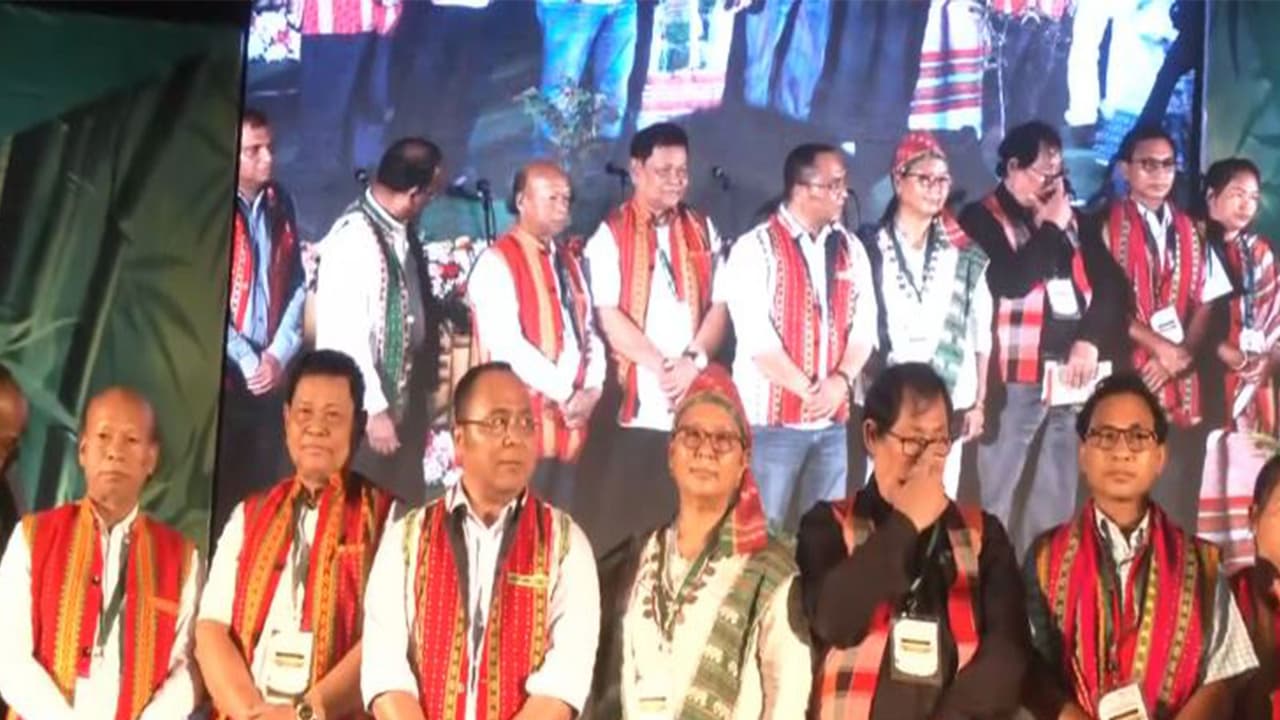
Agartala observed the International Day of the World’s Indigenous Peoples, celebrating their role as ‘Custodians of Forest Ecosystems’. The event highlighted traditional knowledge, biodiversity conservation, and strengthening sustainable livelihoods.
Agartala (Tripura) [India], August 9 (ANI): The International Day of the World’s Indigenous Peoples was observed at Sukanta Academy in Agartala on Sunday, with a focus on recognising the invaluable contribution of indigenous communities to forest conservation, biodiversity protection, traditional knowledge and cultural heritage.
The programme was jointly organised by the IGDC CREFLAT Project, SCATFORM Project and ELEMENT Project under the Forest Department, Government of Tripura, under the theme ‘Indigenous People – The Custodians of Forest Ecosystems in Tripura.’ Tripura Forest Minister Animesh Debbarma attended the programme as the Chief Guest, while RK Samal, IFS, Principal Chief Conservator of Forests and Head of the Forest Force, was present as the Guest of Honour.
Focus on Traditional Knowledge and Collective Effort
Senior forest officers and officials of the State Forest Department also attended the event. Around 600 representatives of indigenous communities, Self-Help Groups (SHGs), Village Community Workers, project officials, forest officials, cultural teams, eminent personalities, media representatives and other stakeholders participated in the celebration. The programme highlighted the important role of indigenous communities in protecting and sustainably managing Tripura’s forest ecosystems. The significance of traditional knowledge related to Non-Timber Forest Products (NTFPs), biodiversity conservation, sustainable harvesting, traditional livelihoods and forest-based value chains was also emphasised.
Bhanumati G, IFS, CEO & PD, SCATFORM Project, welcomed the dignitaries and participants and stressed the need for collective efforts to protect forests, preserve indigenous knowledge and traditions, strengthen sustainable livelihoods and ensure meaningful participation of indigenous communities in the conservation and sustainable management of natural resources.
Promoting Indigenous Enterprise and Heritage
As part of the celebration, SHGs and community representatives displayed traditional products, indigenous crafts, NTFP-based products and other livelihood items, providing a platform to promote community-based enterprises and strengthen market linkages. Nine eminent personalities were also felicitated for their contributions to literature, social service, music and instrumental arts, and for their efforts towards preserving and promoting Tripura’s rich indigenous heritage.
Vibrant Cultural Performances
The event featured colourful cultural performances showcasing the diverse traditions and cultural identity of Tripura’s indigenous communities. Performances including Lebang Bumani, Mamita Dance, Mosok Sumani and Kherabui Dance added to the celebration.
Indigenous Communities as Key Partners: Forest Minister
Addressing the gathering, Forest Minister Animesh Debbarma emphasised that indigenous communities are not merely beneficiaries of forest-based development initiatives but are key custodians and partners in the conservation and sustainable management of forest ecosystems. He stressed that strengthening livelihoods through sustainable NTFP management, value addition, enterprise development and better market access can contribute to forest conservation, climate resilience and inclusive rural development.
Forest Department Reaffirms Partnership
Samal highlighted the significance of the International Day of the World’s Indigenous Peoples and the deep relationship between indigenous communities and the forests of Tripura. He reaffirmed the Forest Department’s commitment to working in partnership with indigenous communities and development projects to promote sustainable forest management and strengthen forest-based livelihoods.
A Call for Greater Collaboration
The programme concluded with a vote of thanks delivered by S Prabhu, CEO & PD, IGDC CREFLAT Project, who called for greater collaboration among government departments, development projects, community institutions and other stakeholders to protect indigenous knowledge, promote sustainable livelihoods and preserve Tripura’s rich cultural and ecological heritage for future generations. (ANI)
(Except for the headline, this story has not been edited by Asianet Newsable English staff and is published from a syndicated feed.)