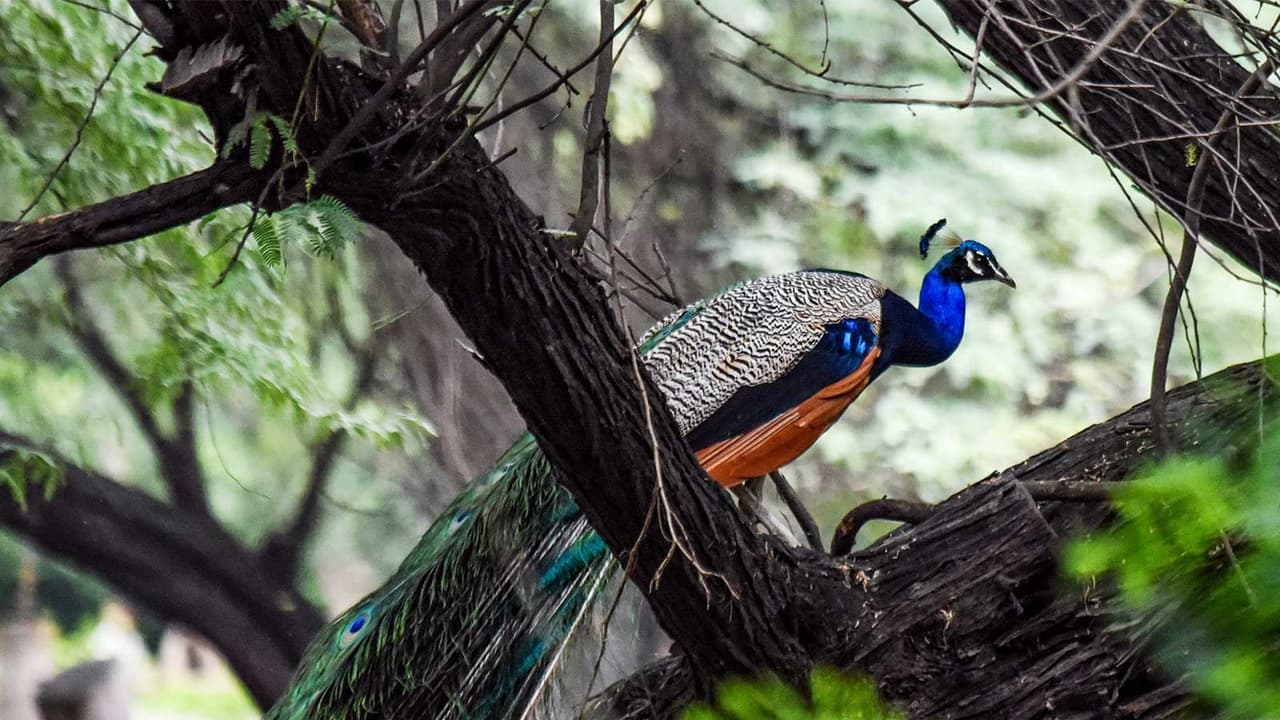
India gifted five young peacocks to the United Nations in Geneva to replenish the flock at the Palace of Nations. The gift, hailed as ‘peacock diplomacy’, continues a tradition dating back to 1981 and strengthens the India-UN partnership.
A New ‘Dimension of Partnership’
The United Nations Geneva has welcomed five young peacocks, a gift from India, to its grounds at the Palace of Nations, continuing a long-standing tradition at the site. The Permanent Mission of India to the United Nations, New York, hailed the gift as “another dimension of partnership” between India and the UN. “Another dimension of partnership: gifts young peacocks to @UNGeneva. As the national bird, peacocks have a special place in the heart of every Indian,” the Mission wrote on X. Welcoming the gift, the UN Geneva wrote, “Move over, panda diplomacy: five young peacocks have arrived at @UNGeneva, a gift from India continuing a tradition older than the UN itself. Meet the newest (and most dazzling) diplomats in Geneva.”
Replenishing the Flock in UN Colours
The strategic move to introduce four blue peacocks and one rare white male aims to replenish the grounds’ peafowl population, which had dwindled to just a single surviving bird. The new arrivals are currently housed in a temporary, spacious aviary in Ariana Park to acclimate to their surroundings before being granted free rein of the estate, according to UN News.
Reflecting on the event, UN Geneva Director-General Tatiana Valovaya stated, “We are very happy to welcome five new peacocks, four blue, one white in typical United Nations colours: blue and white. And we have created a temporary house for them. They will stay here for the next three months…and then they will be allowed to move freely and enjoy the hospitality of the Ariana Park.”
Continuing a Diplomatic History
This donation marks a continuation of diplomatic history between the UN and India, mirroring a 1981 gesture when then-Prime Minister Indira Gandhi sent a breeding pair to Geneva, UN News reported.
Addressing the gesture, Arindam Bagchi, Ambassador and Permanent Representative of India to the UN, noted, “This is really a privilege for the Indian mission here to be able to donate five peacocks, ‘Pavo cristatus’, to [UN Geneva]. There is a tradition of having peacocks here. We have donated in 1981 and are delighted to be able to continue this tradition.”
Ensuring a Safe Integration
To ensure their safety and seamless integration, UN News reported, the birds were transported in a specialised ambulance equipped for medical needs by the Geneva Bioparc. Veterinarian Dr. Tobias Blaha highlighted the suitability of the setting, noting, “It’s really a dream habitat for them because they don’t need to be kept in an aviary for a long time. And they have a lot of old trees, they have shade, they have different kinds of flowers and a lot of grass areas as well.”
Addressing Predator Risks
However, wildlife experts caution that protecting the young males from local predators like foxes will require vigilant monitoring. Addressing the safety challenges, Dr. Blaha explained that young peafowl “not used to living in a big, wide park, (so) they often stay on branches which are not high enough to be protected from foxes. So, we need to observe things…and the higher they sleep, the less the risk is, because foxes don’t climb up trees.”
Because the flock consists entirely of young males born this year, officials anticipate they will coexist peacefully once established. Explaining their social structure, Laetitia Menin, Facilities Management Officer at UN Geneva, remarked, “Since they are all males growing up together – having hatched this year – they should establish their place within the group and therefore not run off in the spring, when hormones kick in and there are females on the premises.”
A Tradition Older Than the UN
The tradition of keeping peafowl at the property originates from its original owner, Gustave Revilliod, who bequeathed the estate to Geneva in 1890 with the stipulation that peacocks roam its grounds. Over the decades, the birds have become iconic fixtures of the UN’s diplomatic campus, with UN officials confirming that a public naming contest will soon be launched for the five new arrivals, according to UN News. (ANI)
(Except for the headline, this story has not been edited by Asianetnews Editorial staff and is published from a syndicated feed.)