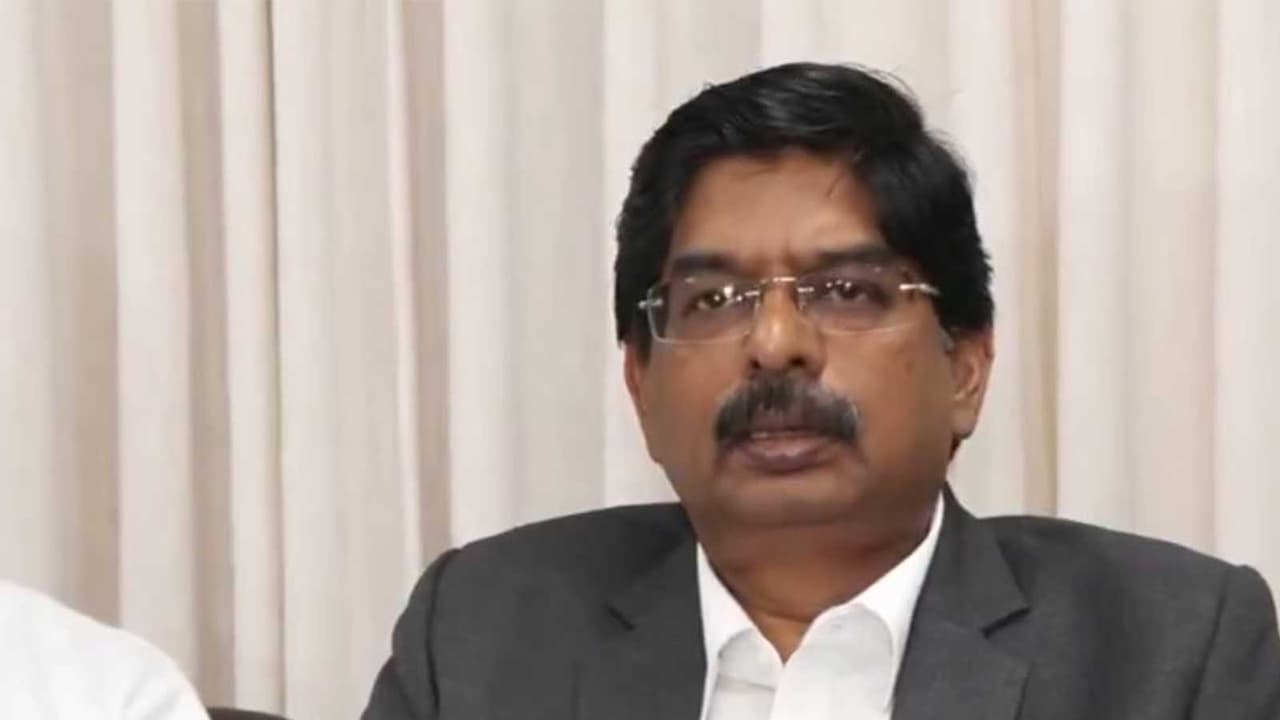
A high-level delegation representing Christian denominations and minority forums met Home Minister Amit Shah to register staunch opposition to the FCRA Amendment Bill, 2026, calling it a ‘confiscatory regime’ that threatens charitable institutions.
Delegation Opposes ‘Confiscatory’ FCRA Bill
A high-level delegation representing Christian denominations, minority forums, and charitable institutions across India met with Union Minister of Home Affairs Amit Shah in Parliament on Thursday to formally register their staunch opposition to the Foreign Contribution (Regulation) Amendment Bill, 2026. The meeting concluded following the submission of a detailed representation and clause-wise analysis spearheaded by the Joint Action Forum on Minorities, led by Senior Advocate and DMK MP P Wilson.
The comprehensive representation presented to the Home Minister highlighted that while the delegation accepted the legitimate regulation of foreign funds as a state function, the 2026 Amendment Bill–introduced in the Lok Sabha on March 25, 2026–shifts from standard regulation into a confiscatory regime that threatens the very survival of charitable, educational, and medical institutions.
‘Vesting’ Principle Challenged
In the official letter, Wilson urged the government to abandon the principle of “vesting” proposed under the amendment and repeal Section 15 of the FCRA Act, 2010, which he said serves as the source of this principle. The representation highlights that expanding provisional and permanent vesting mechanisms, whereby assets such as educational, medical, and community properties created out of foreign or mixed contributions are taken over upon the cessation or non-renewal of registration, exceeds standard compliance and transparency measures. Wilson also warned that such sweeping discretionary powers pose a direct threat to the functioning of long-standing charitable, educational, and welfare institutions, particularly those catering to marginalised and vulnerable communities across the country.
Meeting with Home Minister Amit Shah
Addressing a press conference after meeting the Home Minister, Wilson said the Prime Minister’s Office had forwarded the representation to the Ministry of Home Affairs, following which the delegation was invited for discussions with Amit Shah. He said the delegation raised concerns over several provisions in the proposed amendments as well as the existing Act, arguing that they were unnecessary and could have serious implications for minority institutions.
“We clearly spelt out the illegalities in the amendment bill. We pointed out clause by clause and also certain provisions in the existing Act which, according to us, are unnecessary,” said Wilson.
According to him, the delegation objected to provisions that allow authorities to take over the properties and activities of organisations following the cancellation of their licence or registration.
“Even if a licence is going to be cancelled, even if a registration is going to be cancelled, there was no necessity to take over the properties of these organisations, including their activities,” he said.
According to Wilson, Amit Shah held discussions with the delegation for about an hour and assured them that their concerns would be examined. “The Home Minister spent about an hour discussing with us… He heard us, and he said that he’ll look into this matter,” Wilson said.
Key Demands Presented
The delegation formally pressed for three primary remedial actions: Complete withdrawal of the FCRA Amendment Bill, 2026, or its referral alongside a comprehensive review of the Principal FCRA Act of 2010 to a Joint Parliamentary Committee (JPC), complete repeal of Section 15 of the Principal FCRA Act, 2010, to eliminate the principle of asset vesting from the statutory framework and ensuring that administrative or technical delays in certificate renewals do not trigger automatic cessation, provisional vesting, and the permanent absorption of community and religious assets into the Consolidated Fund of India.
Delegation and Memorandum Details
The representation submitted at North Block and deliberated during the parliamentary interaction featured prominent leaders, clergy, and institutional heads from across the country. The delegation included P Wilson, Chairman of Joint Action Forum on Minorities; John Samuel, Convenor of Joint Action Forum on Minorities; Anil Couto, Archbishop of Delhi Diocese, Catholic Church; Dr K Reuben Mark, Moderator of Church of South India; Dr Paul Dhinakaran, Chancellor of Karunya University, Coimbatore and founder of Jesus Calls; Dr. Asir Ebenezer, General Secretary of National Council of Churches in India; Dr Joshuva Peter, Executive Secretary of United Evangelical Lutheran Churches; Dr Paul Noel Walker Swarup, Bishop (Delhi Diocese), Church of North India; Malthyus D Sangma – Justice and Peace Secretary, Council of Baptist Churches in North East India (CBCNEI); Vincent Bernard, Treasurer, Assemblies of God Churches in India; Zacharias Mar Aprem Episcopa, Diocesan Bishop, Malankara Mar Thoma Syrian Church (Delhi Diocese); Fernandes Rethinaraja, General Secretary, Church of South India; Mathew Koyickal, Deputy Secretary General, Catholic Bishops’ Conference of India; Dr Abhijeet Sangma – Executive Director, Christian Coalition for Health; Dr Anbu Rajan, Executive Trustee, Jesus Redeems Ministries and Dr Yuhannon Mar Demetrios, President, National West India Council of Churches & Metropolitan, Malankara Orthodox Syrian Church.
The memorandum detailed how the proposed legislation impacts religious minorities and civil society. The delegation pointed out that under new provisions like Section 14B and Chapter IIIA, bureaucratic delays on the FCRA Online Portal or minor technical non-compliances could result in automatic certificate cessation, instantly triggering the provisional and permanent vesting of assets in a state-notified “Designated Authority”. Institutions built largely through domestic contributions, local community donations, and CSR funds face whole-asset confiscation even if only a fraction of their funding originated from foreign grants.
The memorandum argued that the Bill infringes upon fundamental rights guaranteed under Articles 14, 19, 21, 25, 26, 29, 30, and 300A of the Constitution, particularly affecting minority-run educational institutions, hospitals, orphanages, and places of worship.
Following the presentation of the memorandum and clause-wise analysis, the meeting concluded with expectations that the Ministry of Home Affairs will review the profound institutional and constitutional issues raised by the minority leadership.
The FCRA (Regulation) Act, 2010, which governs the acceptance and utilisation of foreign contributions by individuals, associations and companies in India. The Bill was introduced in the Lok Sabha on March 25, 2026. (ANI)
(Except for the headline, this story has not been edited by Asianet Newsable English staff and is published from a syndicated feed.)