PM Swanidhi Yojana
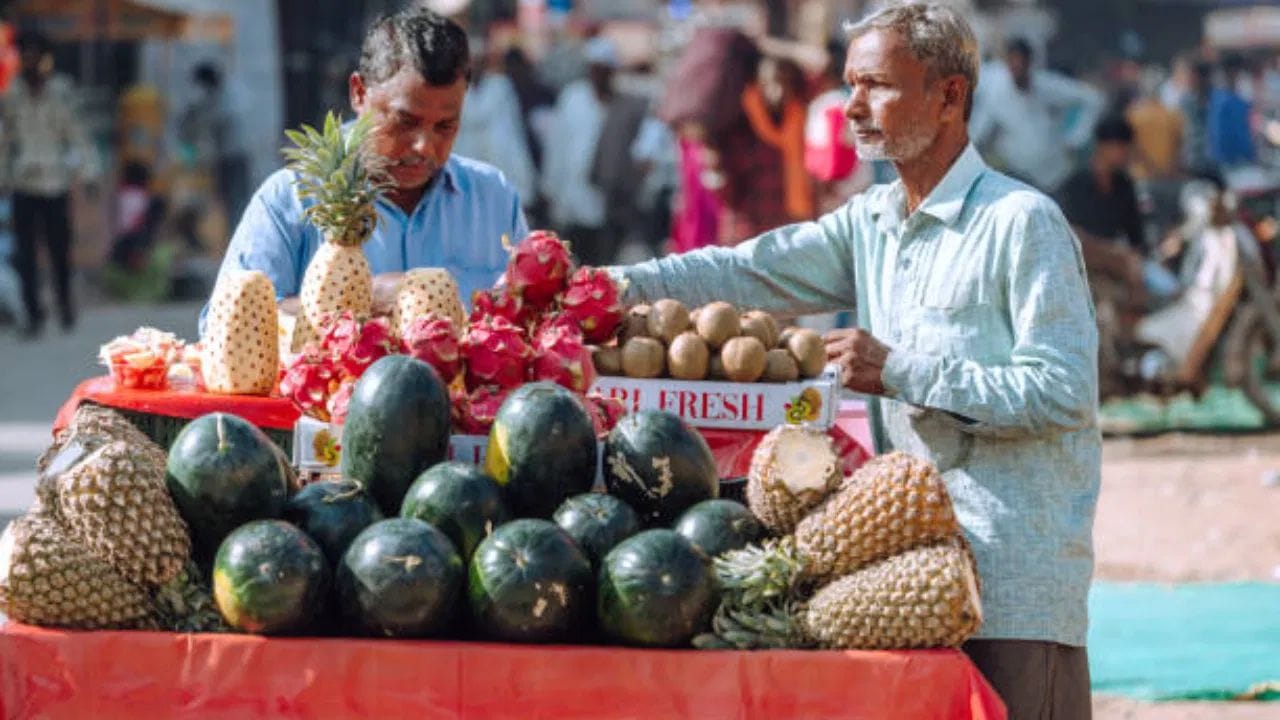
Taking a step towards self-reliant India, the Modi government has decided to extend the Prime Minister Street Vendors Self-reliant Fund Scheme till March 2030. Let us tell you that the government had started this scheme during the Covid pandemic for small street vendors and street vendors, who could do their own employment with the financial help received from the government. Let us know in detail about the Prime Minister Street Vendors Self-reliant Fund Scheme.
More than 75.5 lakh vendors got benefit
According to government data, till now more than 75.5 lakh street vendors across the country have taken advantage of this scheme. More than 112 lakh loans have been approved for these. A total amount of more than Rs 17,800 crore has been distributed under the scheme. Apart from this, about Rs 800 crore has been given to the beneficiaries in the form of interest subsidy and digital transaction incentive.
Loan is available without guarantee
Under PM Swanidhi Yojana, loans are given to street vendors in a phased manner without any guarantee. Loan is provided for the first time up to Rs 15,000, for the second time Rs 25,000 and for the third time up to Rs 50,000. Beneficiaries who repay the loan on time also get 7 percent annual interest subsidy. Besides, they are also given the facility to take loan of higher amount in future.
Digital payments got a boost
Through the scheme, street vendors are also being encouraged to adopt digital transactions. Cashback up to Rs 1,600 is given on making digital payment. So far, more than 55 lakh vendors have done more than 841 crore digital transactions, the total value of which is about Rs 8.96 lakh crore. UPI-linked RuPay credit card up to Rs 30,000 is also being provided to eligible beneficiaries.
Special focus on women and weaker sections
About 46 percent of the beneficiaries of the scheme are women, while about 70 percent come from deprived and weaker sections. Under the government’s “Svanidhi Se Samridhi” initiative, more than 50 lakh families have been linked to various welfare schemes. According to independent studies, the scheme has shown an average 20 percent annual increase in the income of beneficiaries. Along with this, about 95 percent of the beneficiaries received a loan from a formal banking institution for the first time, which has also strengthened financial inclusion.