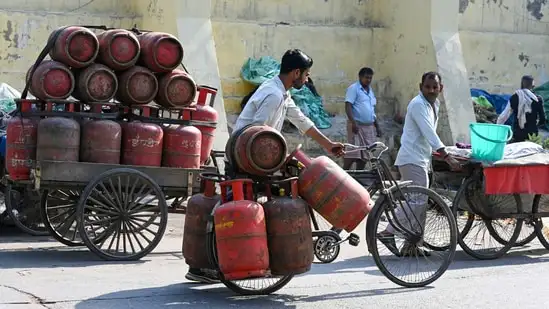
The prices of commercial liquefied petroleum gas (LPG) cylinders have been revised once again amid rising demand against the backdrop of the ongoing conflict in West Asia.
As of June 2026, prices have been hiked by ₹42 to ₹54, with Kolkata, Delhi, Mumbai, and Chennai experiencing a significant rise.
Since March 2026, the prices of commercial LPG cylinders have been changed five times. Amid such a hike, several hotels and restaurants across the country have been forced to shut down.
On Monday, the price of commercial LPG cylinders — used by hotels, restaurants and other businesses – in Delhi was increased by ₹42 per 19-kg cylinder, news agency PTI reported, citing industry sources. Following the hike, the price of a 19-kg commercial cylinder in Delhi has risen to ₹3,113.50 from ₹3,071.50 earlier.
The price of commercial cylinder in Chennai also surged, standing at ₹3,283 on Monday, according to Goodreturns.
Here’s a list of city-wise prices of LPG today:
| Price per Cylinder | June 1, 2026 | May 1, 2026 | +/- changes |
| Chennai | 3283 | 3237 | 46 |
| Kolkata | 3255.5 | 3202 | 53.5 |
| Delhi | 3113.5 | 3071.5 | 42 |
| Mumbai | 3067.5 | 3024 | 43.5 |
Centre’s directive on LPG reserves
Last week, the central government directed state-run fuel retailers to enhance the LPG storage infrastructure and maintain reserves sufficient to meet demand for at least 30 days.
Sujata Sharma, joint secretary in the petroleum ministry, said on Friday, “We are working on the strategic reserves. Oil marketing companies have been asked to work out (a plan) to have LPG reserves for a minimum of 30 days with them, and they are working on it,” news agency PTI reported.
Additionally, the government has issued notices to major Indian Oil companies, including Indian Oil Corporation (IOC), Bharat Petroleum Corporation Ltd (BPCL) and Hindustan Petroleum Corporation Ltd (HPCL) to prepare and expand storage beyond their regular capacity.
However, prices of domestic LPG cylinders remain unchanged, having been hiked once since the start of the US-Iran war – a move intended to contain volatility of the situation and shield domestic users from frequent price fluctuations.