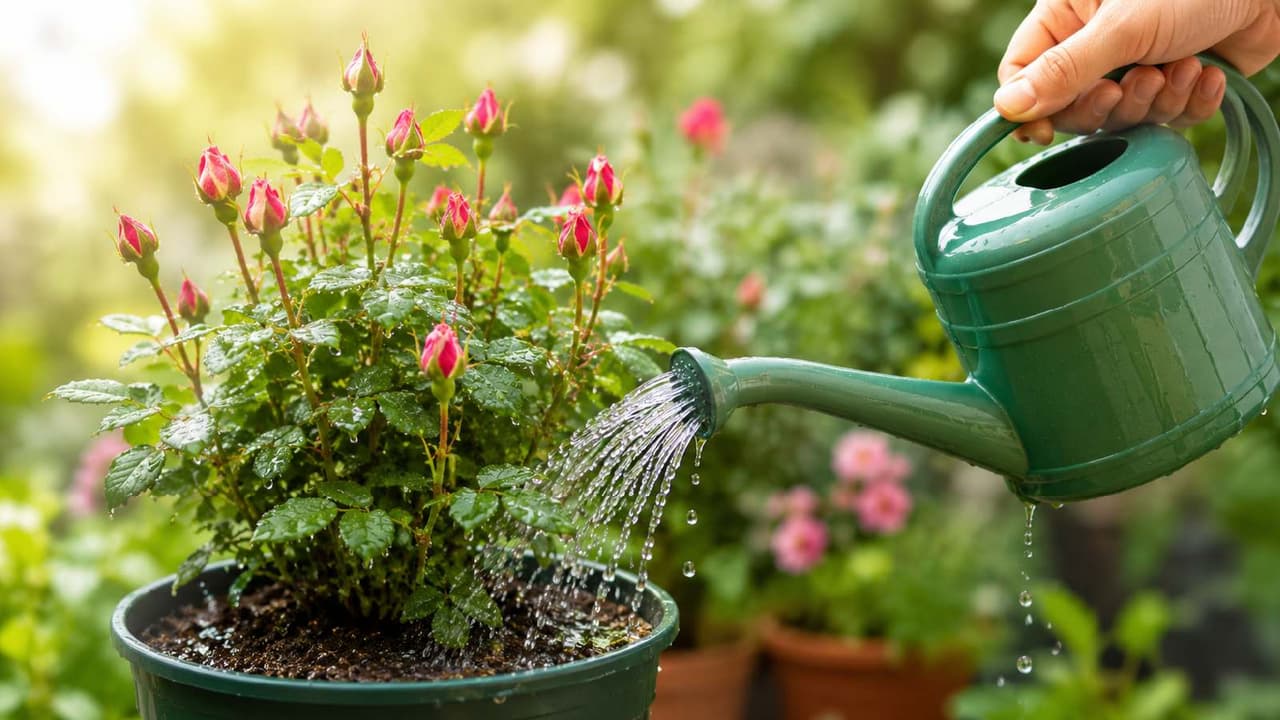
The monsoon can be brutal on your garden, leading to waterlogged roots, fungal diseases, and pests. Here are ten simple, practical tips to ensure your plants not only survive but thrive through the heavy rains.
The monsoon season may convert gardens into beautiful green areas, but constant rain can also cause waterlogging, fungal diseases, root rot, and insect assaults. While the increased rainfall decreases the need for regular watering, plants still require adequate care to grow. With a few basic gardening habits, you can keep your indoor and outdoor plants healthy throughout the rainy season.
1. Prevent waterlogging.
Excess water near plant roots is one of the most serious risks during the rainy season. Ensure that pots and plant beds have enough drainage so that rainfall does not collect. To prevent root rot, place empty saucers under plants and maintain drainage holes free.
2. Trim dead leaves and flowers.
Regularly remove yellow, damaged, or rotting leaves, as well as fading blooms. This promotes air circulation and lowers the likelihood of fungal infections spreading to healthy sections of the plant.
3. Watch out for pests.
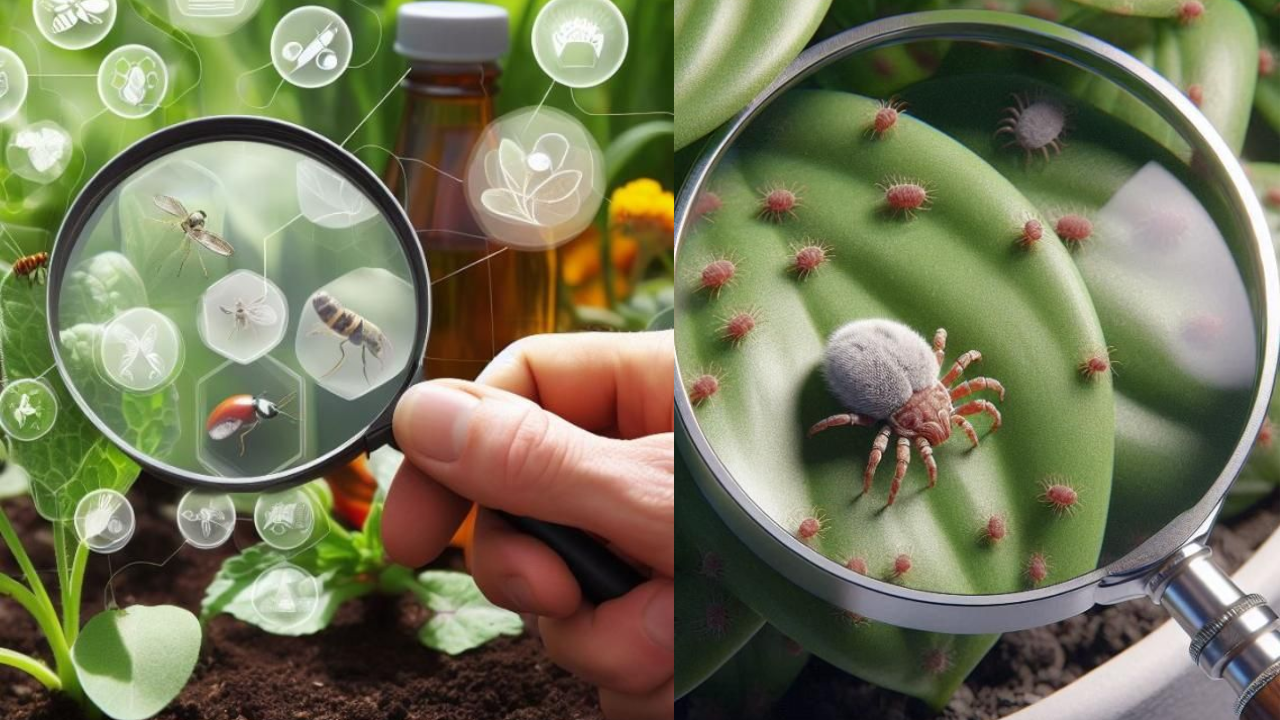
Snails, slugs, aphids, and other insects are more active during the wet season. Inspect your plants regularly, and eliminate pests before they damage the leaves and stems.
4. Do not overwater.
Even if the topsoil seems dry after a rainstorm, always check for moisture beneath the surface before watering. Overwatering during the rainy season can suffocate roots and cause fungal diseases.
5. Improve air circulation.
Avoid putting pots too close together. Proper spacing improves ventilation, allowing leaves to dry quickly after rainfall and lowering the danger of mildew and fungal development.
6. Use Organic Mulch wisely.
After heavy rains have subsided, apply a thin layer of dry mulch around plants to help manage soil moisture and prevent weeds. Avoid putting mulch directly against stems, since this might promote fungal growth.
7. Give Plants Enough Sunlight.
When the weather clears, relocate potted plants to sunnier areas. Adequate sunshine dries excess moisture and encourages healthy development.
8. Support tall plants.
Heavy rain and strong gusts have the potential to bend or damage higher plants. Bamboo pegs or plant supports can help maintain stems erect and avoid damage.
9. Feed plants carefully.
Avoid applying too much fertiliser during lengthy wet seasons. Waterlogged roots absorb nutrients less efficiently, so wait until the soil drains thoroughly before feeding plants again.
10. Inspect plants every day.
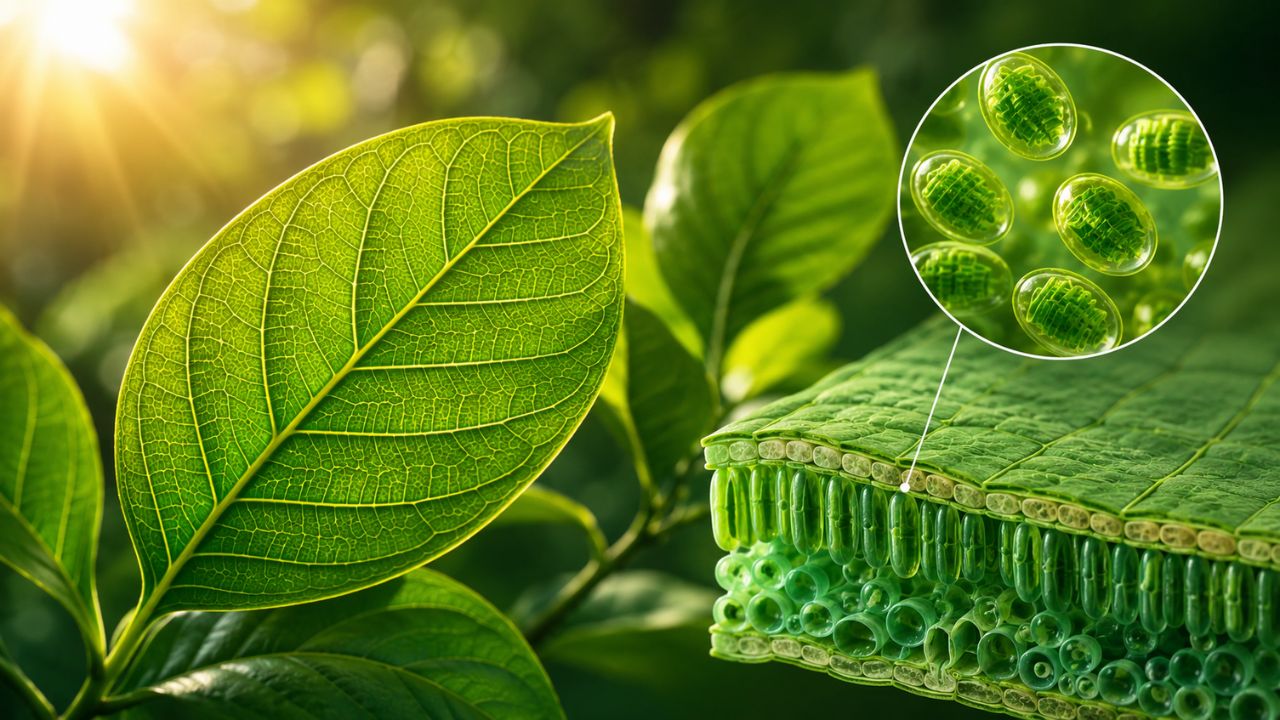
A short daily check allows you to detect fading leaves, black patches, mildew, and pest infestations before they become critical. Early intervention can protect plants from long-term harm.
Healthy Plants Throughout the Monsoon Season
Monsoon gardening entails more than simply letting nature do the work. You can enjoy a vibrant, healthy garden throughout the rainy season by ensuring proper drainage, practising good hygiene, keeping an eye out for pests, and providing plants with the right amount of sunshine and nourishment.