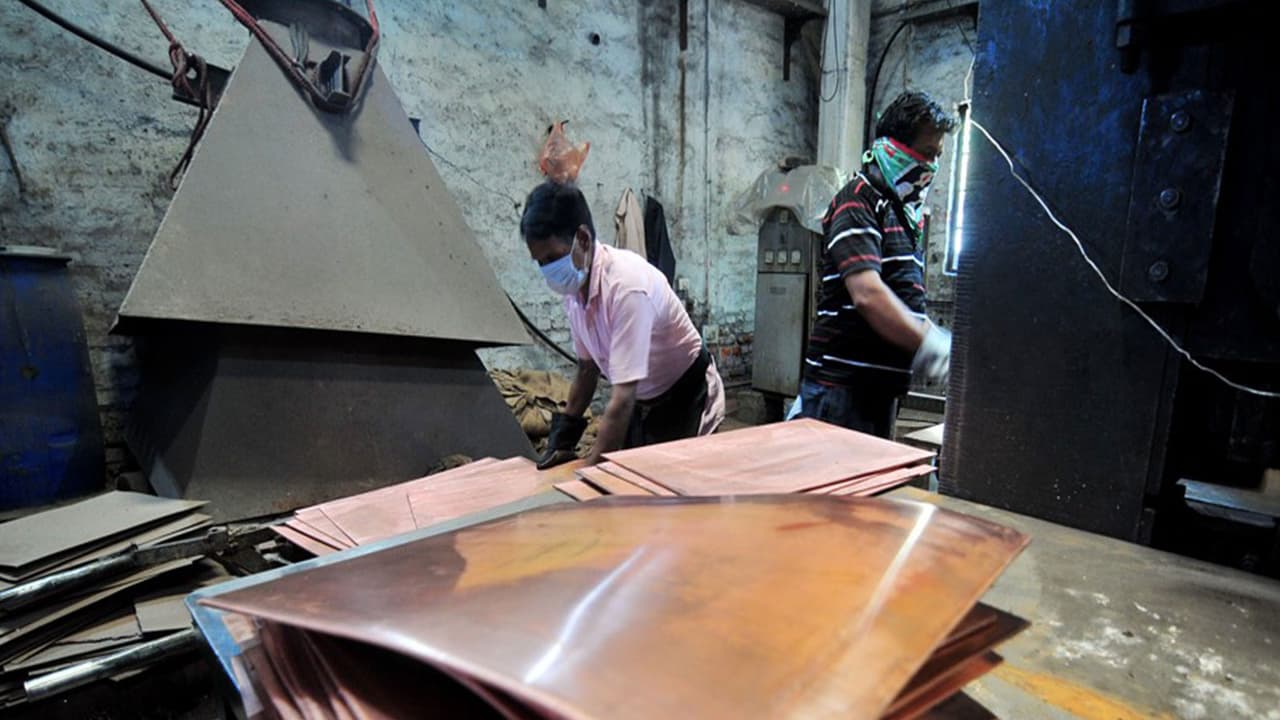
The Gulf Cooperation Council will emerge as a key market for copper demand, says a UBS report. This growth is driven by rising investments in data centres, power infrastructure, and the broader energy transition, reinforcing a positive outlook for copper.
The Gulf Cooperation Council is expected to emerge as a growing market for copper demand in the medium term, driven by rising investments in data centres, power infrastructure and electrification, according to global financial services firm UBS.
The firm projected a robust medium-term outlook for copper demand, citing the GCC’s expanding infrastructure and energy transition initiatives as key growth drivers.
Data Centres and AI as Key Drivers
The report identifies the Middle East as one of the regions expected to see rising copper consumption as global data centre capacity expands.
UBS’s regional projections indicate increasing copper demand from data centres across the “Other” regions, including the Middle East, through 2030.
The report says artificial intelligence (AI)-led investments in data centres will add to multiple long-term demand drivers for copper, including renewable energy, electric vehicles, power grids and defence.
According to the report, global copper demand linked to data centres and associated power generation is estimated at around 900 kilotonnes (kt) in 2025, rising at an annual growth rate of about 11 per cent to nearly 1.55 million tonnes by 2030.
UBS estimates that data centres and related power generation currently account for around 3 per cent of global copper demand, increasing to about 4 per cent by the end of the decade and contributing 15-20 per cent of projected demand growth during 2025-2030.
The report notes that AI-driven hyperscale data centres are significantly more copper-intensive because of their higher electrical and cooling requirements, increasing demand for busbars, transformers, switchgear and other electrical equipment.
Broader Electrification and Market Outlook
Beyond data centres, UBS said expanding electricity generation, transmission and distribution infrastructure will provide another important source of copper consumption, reinforcing the long-term electrification theme.
“We remain structurally positive on the fundamental outlook for copper and believe this will support elevated prices in the coming years,” the report said.
UBS, however, cautioned that copper prices could remain vulnerable in the near term to risk aversion stemming from geopolitical tensions and changes in US trade policy, although it noted that physical market indicators remain supportive.
The report also highlighted the strategic importance of copper in AI infrastructure, saying the metal represents a relatively small share of overall project costs but is difficult to substitute in critical electrical applications.
“Within these high-value applications, copper represents a small proportion of total cost and is generally difficult to replace/reduce; we therefore see limited demand elasticity in the next 3-5yrs,” UBS said.
The findings suggest that ongoing investments in digital infrastructure, grid expansion and energy transition projects across regions including the GCC are likely to strengthen copper demand over the medium term.
(Except for the headline, this story has not been edited by Asianet Newsable English staff and is published from a syndicated feed.)