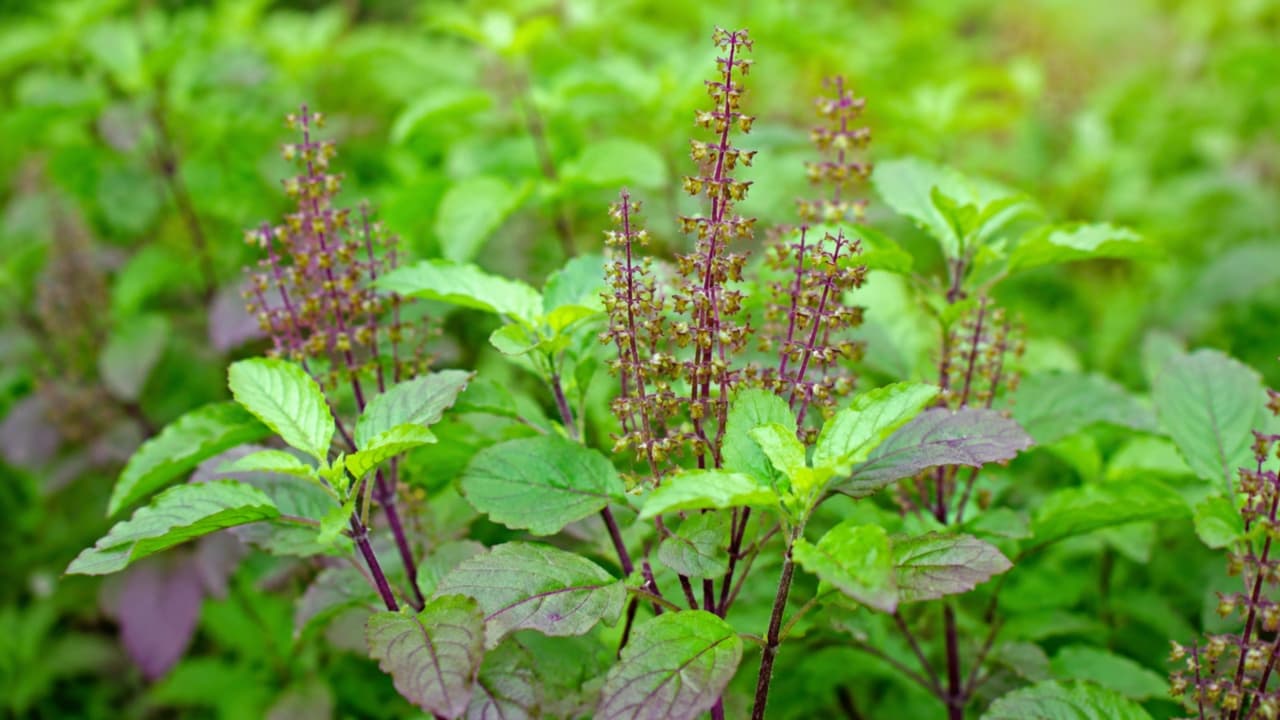
Why Tulsi Plant Dries: Does your Tulsi also dry up often? Know its real reasons, is it really an inauspicious sign, easy ways to keep Tulsi green and 10 surprising Ayurvedic benefits.
Tulsi Watering Tips: Tulsi plant in homes is not only a medicinal plant but also a symbol of faith. Many families worship Tulsi every morning and evening and associate it with the happiness and prosperity of the house. But many times, despite good care, the basil plant gradually starts drying up. In such a situation, the question arises – is drying of basil an inauspicious sign, or is there some other reason behind it? In most cases, the drying up of basil is due to plant care, weather or disease. Let us know…
Is drying of basil inauspicious?
Tulsi is considered to be the form of Goddess Lakshmi and dear to Lord Vishnu. Therefore when basil dries up, some people consider it an inauspicious sign. But there is no such mention anywhere in the scriptures. Plants are also alive. They have a natural age and are affected by weather, water, sunlight and diseases. Therefore, if basil dries up, then first of all we should understand the reasons behind it.
1. over watering
The biggest reason for drying of basil is overwatering. Many people add too much water every day. Due to this, water accumulates in the pot and oxygen does not reach the roots. Gradually the roots start rotting and the plant dries up.
2. Lack of sunlight
Tulsi needs 4 to 6 hours of direct sunlight daily. If the plant is always kept inside the room or in the shade, its growth may stop. The leaves start turning yellow and the plant becomes weak.
3. Too much cold or heat
Tulsi is a plant of hot climate. It can get spoiled quickly due to frost in winter. At the same time, strong heat and extreme temperatures in summer can also harm the plant.
4. Poor soil and drainage
If the soil in the pot is too hard or there is no way for water to drain out, the roots become weak. Such soil is considered best for Tulsi, in which water can drain easily and air can flow freely.
5. Insects and Fungal Diseases
Many times small insects, fungus or white spots start appearing on basil. If these are not treated in time, the entire plant may get damaged. Therefore, the leaves should be checked from time to time.
6. Natural age of the plant
Very few people know that the Tulsi plant does not remain alive forever. Most basil plants complete their natural life time between 1 to 3 years. After this their drying can be a normal process. Therefore, it is considered good to take seeds from an old plant and plant a new one.
Read this also- Banyan roots grow not only in the ground but also in the air! Know why the banyan tree is so huge?
Easy ways to keep basil green
To keep basil green for a long time, keep these things in mind-
- Water only when the soil becomes dry.
- Must get a few hours of sunlight every day.
- The pot should have a drainage hole.
- Add organic fertilizer or compost once a month.
- Remove dry and yellow leaves periodically.
- Do not allow water to accumulate during the rainy season.
What does religious tradition say?
Tulsi is considered sacred in Hindu religion. The glory of Tulsi is described in Padma Purana and Skanda Purana. The tradition of Tulsi marriage is also associated with Lord Vishnu and Mother Tulsi. In many homes, when the Tulsi plant dries, a new plant is planted in its place and the dried plant is immersed respectfully.
Read this also- What is the pH of soil? Every farmer and gardening person should know this thing
What are the 10 major Ayurvedic benefits of Tulsi?
Tulsi (Holy Basil / Ocimum tenuiflorum) is considered one of the most important medicinal plants in Ayurveda. Eugenol, rosmarinic acid and many antioxidants are found in it, which benefit the body in many ways.
1. Help in increasing immunity: The antioxidants and phytochemicals present in basil help in strengthening the body’s immune system.
2. Relief in cold and cough: In case of sore throat, mild cough and cold, basil decoction or basil tea provides relief.
3. Stress is reduced: Basil can act as an adaptogen, meaning it helps the body deal with stress better.
4. Helps in maintaining proper digestion: Tulsi is beneficial in mild digestive problems like gas, indigestion and flatulence.
5. Good source of antioxidants: It helps in protecting the body cells from damage caused by free radicals.
6. Effective in shortness of breath: Tulsi tea or steam may provide relief from mild breathing problems or throat irritation in some people.
7. Help in reducing bad breath: Basil leaves have natural antibacterial properties, which help in improving oral health.
8. Benefits for skin: Its antibacterial and anti-inflammatory properties are beneficial in treating acne and minor skin problems.
9. Positive impact on blood sugar: Tulsi can help in controlling blood sugar, but it is not an alternative to diabetes medicine.
10. Beneficial for heart health: Antioxidants and anti-inflammatory properties can be beneficial in keeping the heart fit.
How to consume basil?
- Chew 4–5 fresh leaves in the morning.
- You can make basil tea or herbal decoction.
- A mixture of ginger, honey and basil is a home remedy for cold and cough.
- Dry basil leaves can also be used.
Who should be careful?
- If you take blood thinners, consult your doctor before taking regular basil.
- Women who are pregnant or breastfeeding should talk to their doctor before taking basil regularly.
- If you have diabetes and take medication, consult your doctor before taking large amounts of basil.
Some interesting information related to Tulsi…
- The scientific name of basil is Ocimum tenuiflorum (or Ocimum sanctum) and it is a plant of the Lamiaceae (mint) family.
- Ram Tulsi and Shyam (Krishna) Tulsi are mostly produced in India.
- Eugenol, Rosmarinic Acid and many natural antioxidants are found in basil leaves.
- The typical life span of most basil plants is 1–3 years, although this can be continued with proper care and by growing new plants from seed.