EAM S Jaishankar extended India’s solidarity after a massive 7.1 magnitude earthquake hit Japan’s Kumamoto. The quake, the strongest since 2016 for the region, prompted a full-scale emergency response from the Japanese government.
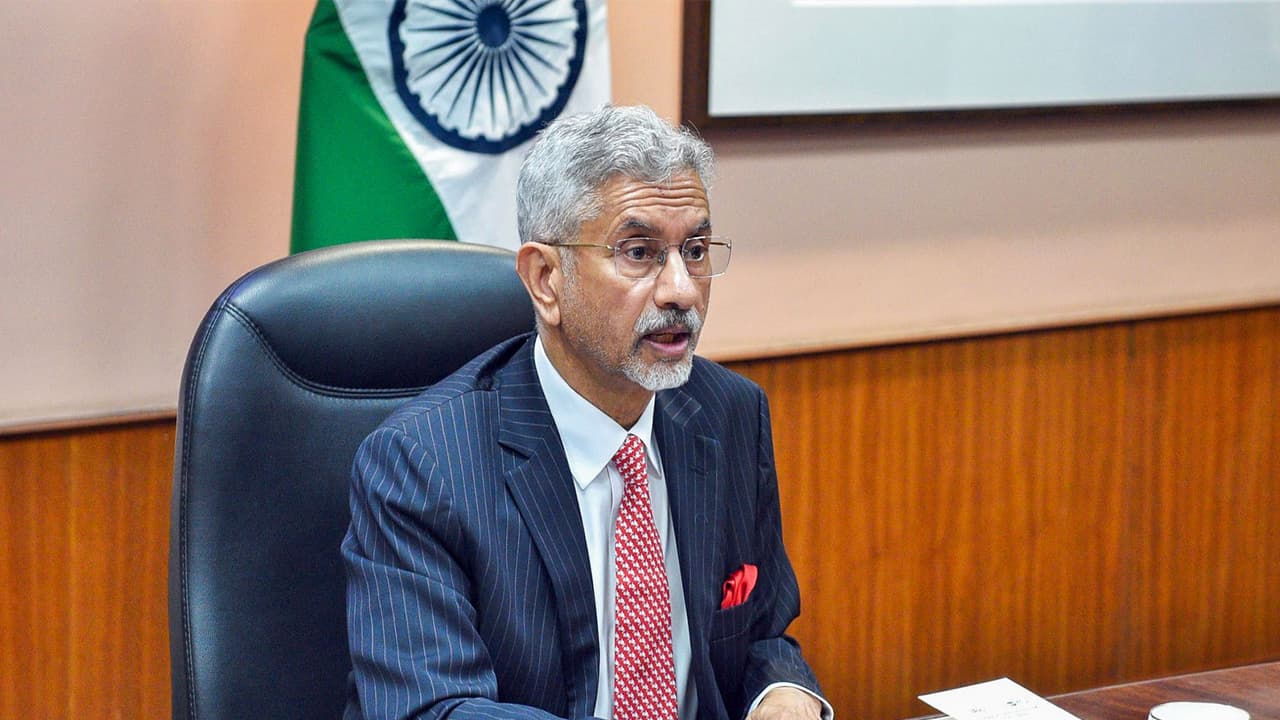
External Affairs Minister S Jaishankar on Tuesday expressed deep concern over the powerful earthquake that struck Japan’s Kumamoto prefecture, conveying India’s steadfast solidarity and support to the Japanese government and its people.
According to public broadcaster NHK, a massive magnitude 7.1 earthquake struck southwestern Japan’s Kyushu region on Tuesday afternoon, registering the maximum level 7 on the country’s seismic intensity scale.
In a post on X, Jaishankar extended his condolences and well wishes for those impacted by the tremor. “Deeply concerned at the news of the earthquake that struck Kumamoto prefecture in Japan. Express our solidarity and support to the Government and people of Japan as they respond to it,” Jaishankar wrote. “Pray for the safety and recovery of those affected by the earthquake.” Deeply concerned at the news of the earthquake that struck Kumamoto prefecture in Japan. Express our solidarity and support to the Government and people of Japan as they respond to it. Pray for the safety and recovery of those affected by the earthquake.@moteging — Dr. S. Jaishankar (@DrSJaishankar) July 28, 2026
Japanese Government’s Emergency Response
Following the magnitude 7.1 earthquake, Japanese Prime Minister Sanae Takaichi mobilised the full resources of the government, establishing an Emergency Disaster Countermeasures Headquarters to spearhead rescue and relief operations.
In a post on X, she noted that the disaster struck at approximately 4:27 p.m., resulting in confirmed structural collapses, road damage, fires, and human casualties. Expressing heartfelt condolences to all those affected, the Prime Minister convened the first emergency response meeting at 7:49 p.m. following the official establishment of the task force at 6:20 p.m.
Addressing compounding challenges in the disaster zones, including widespread power outages, water shortages, and rising concerns over heatstroke, the government has pledged to work tirelessly through the night. “The government will work tirelessly through the night to swiftly assess the overall damage situation and carry out emergency disaster response measures, starting with the rescue and lifesaving of those affected,” Prime Minister Takaichi wrote. “At the same time, we will ensure the reliable delivery of essential supplies such as food and water, as well as simple air conditioners and power vehicles for heatstroke prevention, utilizing push-type support where appropriate, and strive to secure a safe and suitable evacuation environment.”
As part of ongoing coordination, the Prime Minister spoke directly with Kumamoto Prefecture Governor Kimura around 10:00 p.m. to assess conditions on the ground and assure him of comprehensive national backing.
本日16時27分頃に発生した「令和8年熊本地震」により、これまでに人的被害や、建物倒壊、道路の損壊や火災などの被害が確認されています。 被災された全ての方々に、心からお見舞いを申し上げます。… — 高市早苗 (@takaichi_sanae) July 28, 2026
Quake Details and Historical Context
The powerful tremor hit Kumamoto Prefecture at 4:27 p.m., prompting widespread reports of injuries from across the area. NHK noted that this marks the first quake to hit the highest seismic intensity level of 7 since the 2024 Noto Peninsula New Year’s earthquake, and the first time Kumamoto has experienced a tremor of that severity since it was struck by dual intensity-7 quakes in April 2016.
Authorities confirmed that Tuesday’s major shock was quickly followed by a series of aftershocks, some of which registered lower 5 on the Japanese seismic scale, NHK reported. (ANI)
(Except for the headline, this story has not been edited by Asianetnews Editorial staff and is published from a syndicated feed.)