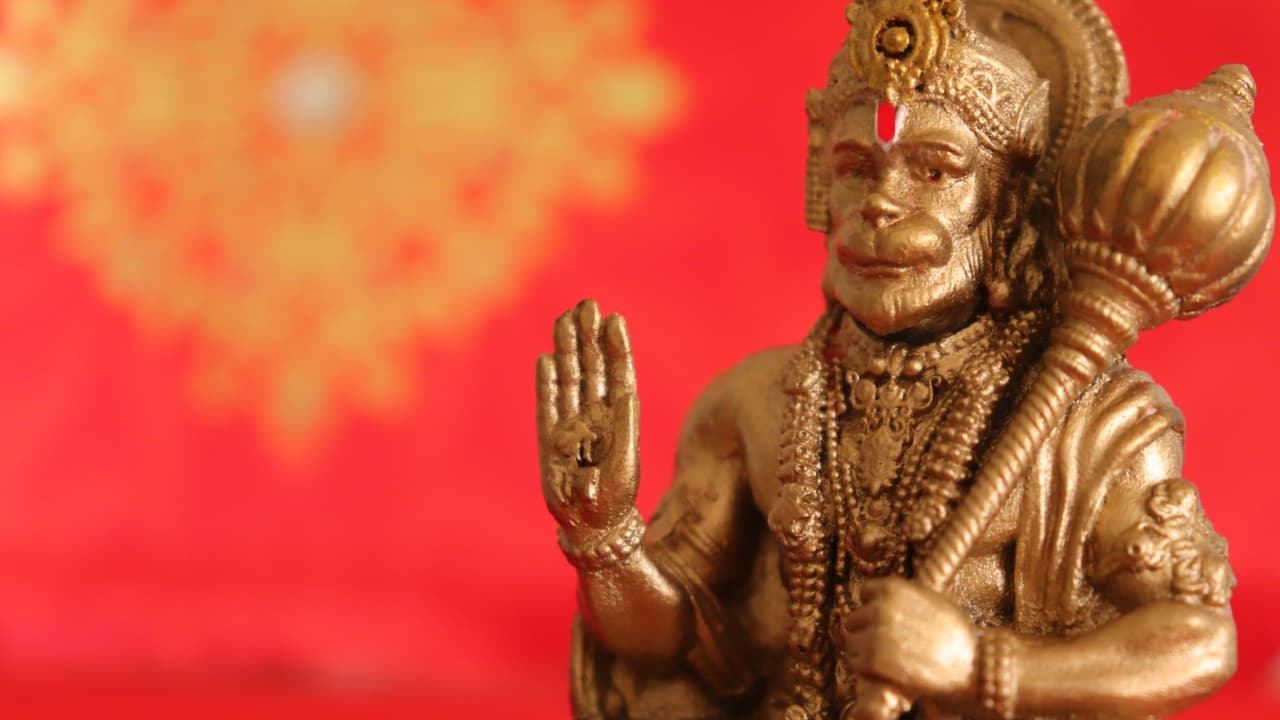
Special importance of Tuesday has been mentioned in religious texts. Hanumanji is especially worshiped on this day. Many other beliefs are associated with this day.
Tuesday Fast: In Hindu religion, every day of the week is considered dedicated to some god or goddess. Tuesday is mainly associated with Lord Hanuman and planet Mars (Mangal Dev). Therefore, many people keep fast on this day and recite Hanuman Chalisa, Sunderkand or Bajrang Baan. It is believed that fast on Tuesday is kept for courage, strength, self-confidence, health, protection from enemies and relief from Mangal Dosh. Let us know for whom the fast is observed on Tuesday and what is its belief.
For whom is Tuesday fast observed?
1. To get the blessings of Lord Hanuman
Most people keep fast on Tuesday to worship Lord Hanuman. It is believed that by worshiping Lord Hanuman-
– Fear reduces.
– Courage comes to mind.
– Gets strength to face difficult situations.
– Inspires to avoid negative thoughts.
For this reason, many people go to the temple every Tuesday and offer vermilion, jasmine oil and red flowers to Bajrangbali.
2. For beliefs related to Mars
In Vedic astrology, Tuesday is considered to be related to the planet Mars. According to astrological belief, people who have Mangal Dosh (Manglik Dosh) in their horoscope observe a fast or special puja on Tuesday.
3. Wish for health and mental strength
Many devotees observe this fast with the wish of good health, mental strength and positive energy for themselves and their family.
4. Marriage related beliefs
Unmarried boys and girls also keep fast on Tuesday with the wish of getting a good life partner.
How is Tuesday fast observed?
The rules may differ in different traditions, but in general people-
– Take bath in the morning and wear red or clean clothes.
– Worship Lord Hanuman.
– Recite Hanuman Chalisa or Sunderkand.
– Red flowers, vermilion and jasmine oil are offered.
– Many people eat satvik food at one time.
– Some people also eat salt-free food.
Should salt not be eaten on Tuesday?
Some people abstain from salt or normal food during the fast, while others eat fruits. This may vary according to family, guru or local tradition.
What is the biggest message of Tuesday fast?
From the religious point of view, fasting on Tuesday is not just about giving up food. Its purpose is-
– Disciplining the mind.
– Control anger.
– To increase the feeling of service and devotion.
– To follow truth and morality.
3 mythological stories related to Tuesday fast and Lord Hanuman…
1. Story of Hanuman ji and Shani Dev
According to religious belief, once Ravana, in pride of his power, captured Shani Dev. When Lord Hanuman reached Lanka in search of Mother Sita, he freed Shani Dev from captivity. After being freed, Shani Dev was happy and said – The person who worships Hanuman ji with a true heart, recites Hanuman Chalisa and worships him on Tuesday or Saturday, my wrath will be reduced on him.
2. Hanuman ji who broke Bhima’s pride
This is the most popular story of the Mahabharata period. Bhima was passing through the forest during his exile. An old monkey was lying on the road with his tail spread. Bhima asked him to leave the path, but the monkey said – If you have the courage, then remove my tail and go away. Bhima used all his strength, but could not move his tail. Then they realized that this was not an ordinary monkey. Later Hanuman ji showed his divine form and Bhima’s pride was shattered.
3. How did the tradition of offering vermilion start?
This is one of the most popular stories related to Hanuman ji. One day Hanuman ji saw that Mother Sita was applying vermilion on her forehead. He asked- Mother, why do you do this? Mother Sita told- This is for the long life and prosperity of Lord Shri Ram. Hearing this, Hanuman ji thought – If applying a little vermillion brings welfare to the Lord, then applying vermillion on the entire body will give him more happiness. He applied vermillion all over his body. Lord Shri Ram was very pleased with this exclusive devotion of Hanuman ji. Since then it is considered a tradition to offer vermilion to Hanumanji.