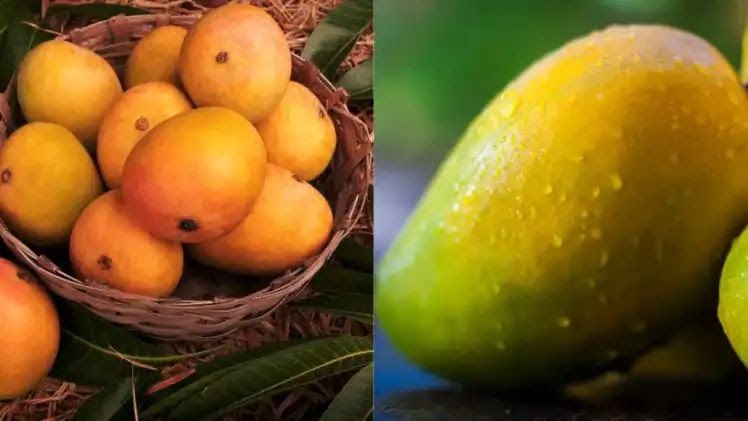
After about 20 years, Japan has banned the import of mangoes from India. This decision was taken after Japanese officials found flaws in India’s pest control process.
This step has dealt a major blow to the mango export business in the summer season.
The ban has affected premium Indian varieties like Alphonso, Kesar, Langra and Banganapalli. Japan had earlier also banned Indian mangoes due to the threat of fruit fly, which was lifted in 2006.
Japan says it is very strict about agricultural safety and has a ‘zero tolerance’ policy when it comes to pests like fruit flies. Therefore, the imported fruits are examined through a very stringent process.
What was found wrong in the investigation?
Every year before the general export season, Japanese quarantine officials inspect India’s Vapor Heat Treatment (VHT) centers. At these centres, mangoes are subjected to a controlled process of hot and humid air so that pests and their larvae are eliminated.
The VHT center located at Rahmanpur in Uttar Pradesh was inspected in March this year. According to the report, Japanese officials found some shortcomings in the fumigation and disinfection process. However, the governments of both the countries have not made public the complete details of the technical flaws.
Following the inspection, Japan’s Yokohama Plant Protection Association announced that Indian mangoes with inspection certificates issued after March 25, 2026 will not be accepted.
Shock to exporters and farmers
Japan is not among India’s biggest mango markets, but Indian mangoes fetch high prices there. Therefore, exporters say that this decision can cause huge loss economically.
India produces about 28 million metric tons of mangoes every year and is the largest mango producing country in the world. Although most mangoes are consumed within the country, exports to premium markets like Japan provide higher profits to farmers and traders. Exporters are now worried that this decision may raise questions on India’s agricultural quality control system and other countries may also increase strictness.
Farmers are already in trouble
This year, Alphonso mango growers in Maharashtra are already facing the brunt of the weather. Extreme heat and unstable weather associated with El Nino have caused heavy crop losses.
Some government surveys have estimated losses of 85 to 90 percent in many areas. In such a situation, amid reduced production, Japan’s ban may increase the problems of farmers and exporters.