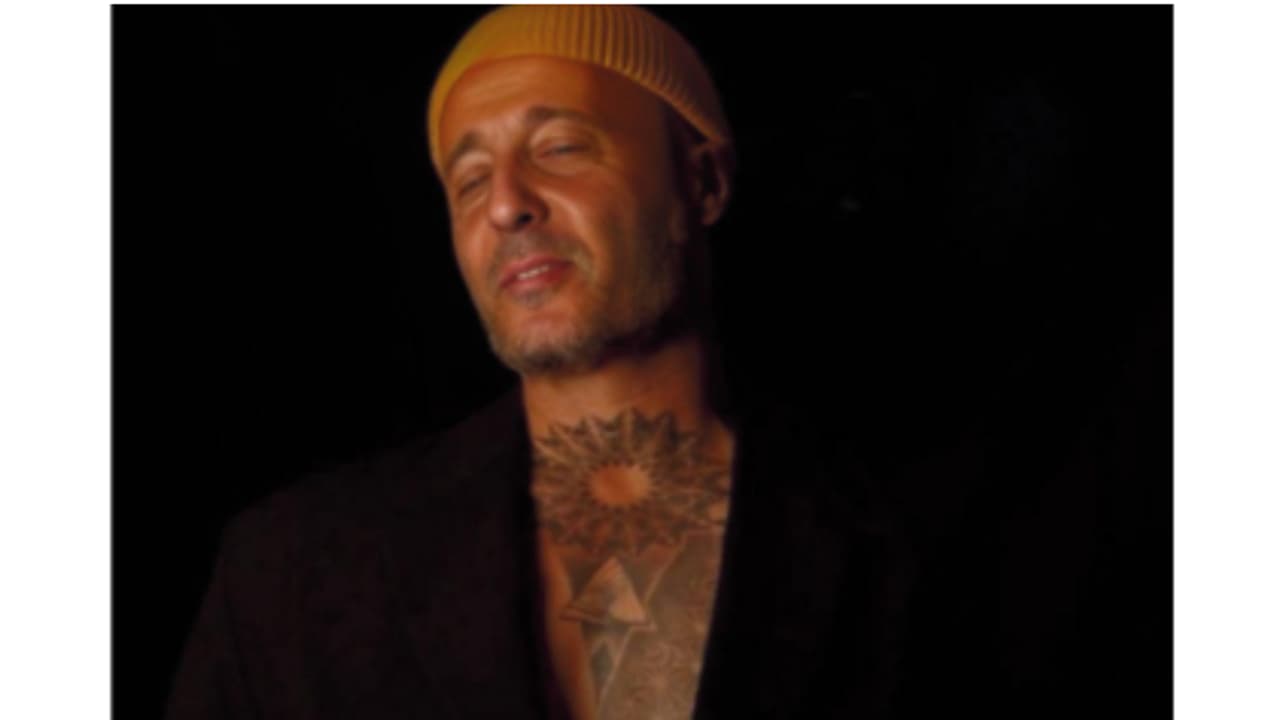
In Mass Choreography as a System, Ruslan Zhyvokorintsev presents a practical framework for creating large-scale dance productions. Based on over two decades of experience, the book focuses on structure, spatial design, synchronization, and rehearsal methods, filling a gap often left to instinct in choreography.
Most books on choreography focus on movement, technique, or performance. Ruslan Zhyvokorintsev took a different starting point. After more than twenty years directing large casts of performers, he kept running into the same gap: there was no clear, teachable system for building choreography at scale.
That gap became the starting point for his book, Mass Choreography as a System: Theory, Methodology, and Practice, published in both Ukrainian and English.
The ideas in it, though, are far older than the book itself.
They come out of a career spent as a choreographer, director, and educator, staging everything from competition routines to large-scale productions involving dozens, and at times hundreds, of performers. Each production raised the same set of problems: how to organize space, keep dozens of bodies synchronized, preserve visual clarity from the audience’s seat, and get individual performers moving as one coordinated whole.
Zhyvokorintsev noticed that most choreographers work through these problems by instinct, learning them the hard way on each new production rather than through any shared method. Creativity gets plenty of attention in the field; the logistics of directing large groups almost never do.
“I wasn’t trying to invent a new style of dance,” he says. “I wanted to understand why some large productions come together and others fall apart — and then turn that into something other professionals could actually use.”
So instead of another book on dance vocabulary or choreographic theory, he wrote about process: how formations take shape, how performers move through space without collapsing into chaos, how timing changes what an audience perceives, how rehearsals can run more efficiently, and how a stage full of individuals becomes a single picture.
None of this was worked out on paper first. It came together gradually, across years of rehearsals, workshops, competitions, and live productions — hundreds of hours of solving the same kinds of problems until patterns emerged worth writing down.
The Ukrainian edition came first, putting the methodology in front of choreographers, educators, and students at home. The English edition followed shortly after, extending the work to a wider international audience — a deliberate choice, not an afterthought.
“Art shouldn’t be limited by language,” Zhyvokorintsev says. “If these ideas can help a teacher or a student somewhere else in the world, then the work has done its job.”
The book moves through spatial composition, synchronization, rehearsal planning, stage architecture, how performers interact with one another, visual design, and the practical work of directing large ensembles. Its larger argument is less about technique and more about mindset: choreography, at scale, isn’t just a sequence of movements — it’s a system where every decision changes the outcome.
That same thinking runs through Zhyvokorintsev’s teaching. In workshops and training sessions, he pushes dancers and choreographers to understand why a piece of movement works, not just to reproduce it. The aim isn’t to hand people his own choreography to copy, but to give them a framework flexible enough to fit their own work.
As productions keep growing — bigger casts, more multimedia, more demanding staging — the need for a structured approach has only gotten more pressing. Scale without structure tends to fall apart.
Mass Choreography as a System is Zhyvokorintsev’s attempt to put more than twenty years of that experience into a form other people can use: tested across real rehearsal rooms and real stages, then organized into something that can be studied, adapted, and built on.
For him, the book isn’t a conclusion. It’s the opening of a longer conversation about how mass choreography gets understood, taught, and passed on — so the knowledge built up over decades of practice keeps being useful to the choreographers who come after him.
https://www.ruslanzhyvokorintsev.com/blog
About author
Claire Bennett is a freelance arts and culture writer covering dance, performance, education, and creative innovation. She writes about the people and ideas shaping the future of the performing arts.