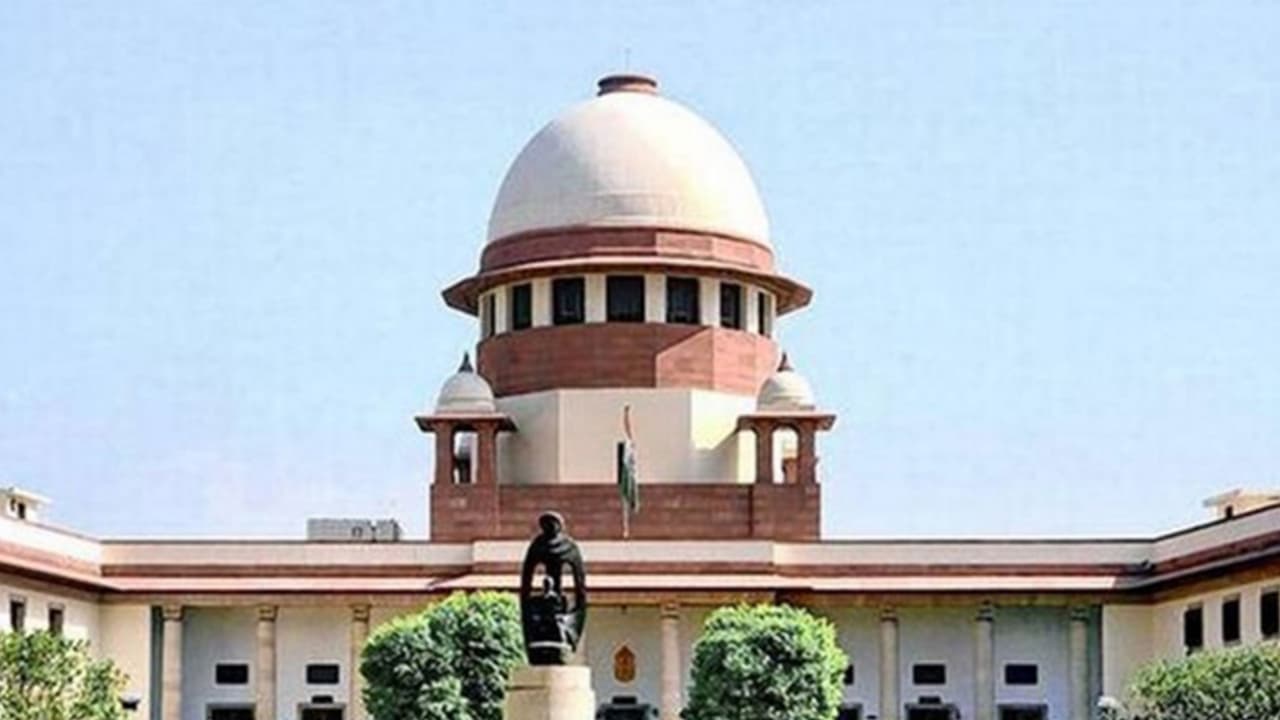
The Supreme Court will delete adverse remarks against three academicians involved in a controversial NCERT chapter on ‘Corruption in Indian Judiciary’. The court acknowledged the observations suggesting malicious intent were harsh.
The Supreme Court has assured three academicians involved in preparing a controversial and later withdrawn sub-chapter titled “Corruption in Indian Judiciary” in a Class 8 NCERT textbook that it would delete certain adverse observations made against them, including remarks suggesting malicious intent and questioning their future professional engagement.
The Court has assured the three academicians who were behind the controversy that it will delete certain observations against the academicians which attributed malicious intent to them for preparing the said content, along with those which said that no academic institution would engage them for their services.
A bench of Chief Justice of India (CJI) Surya Kant and Justice Joymalya Bagchi clarified that the Court’s observations in the suo motu case initiated by the Court subsequent to the inclusion of the controversial chapter in the textbook were against the controversial “content” and not against any “individual”.
Court Clarifies Stance on Textbook Content
“We knew that the observations were harsh. We knew it affected them. In response to that, we are deleting those portions”, Justice Bagchi said.
To counsels Senior Advocates Shyam Divan, Gopal Sankarnarayanan and J Sai Deepak, representing the academicians, requesting the Court to delete its observations that were against the academic integrity and credibility of their clients by stating that they had “zero intent” to malign the judiciary, the Court said it was never concerned about the inclusion of academic content on the Indian judiciary.
The Court clarified that what was concerning was that “corruption” in the said textbook “was highlighted as a unique feature of the judiciary”.
The Court also asked the academicians to apply sobriety when curating academic literature on the judiciary with a sense of respect for the justice delivery system and the constitutional scheme.
The Court said that there should be a balanced approach in pedagogical content on such subjects, which was completely missing. “Access to justice through legal aid, the role of judges in legal services and legal aid were completely ignored,” Justice Bagchi said.
After a brief hearing, the Court assured the academicians that it would delete the observations, which it acknowledged were a bit harsh. (ANI)
(Except for the headline, this story has not been edited by Asianet Newsable English staff and is published from a syndicated feed.)