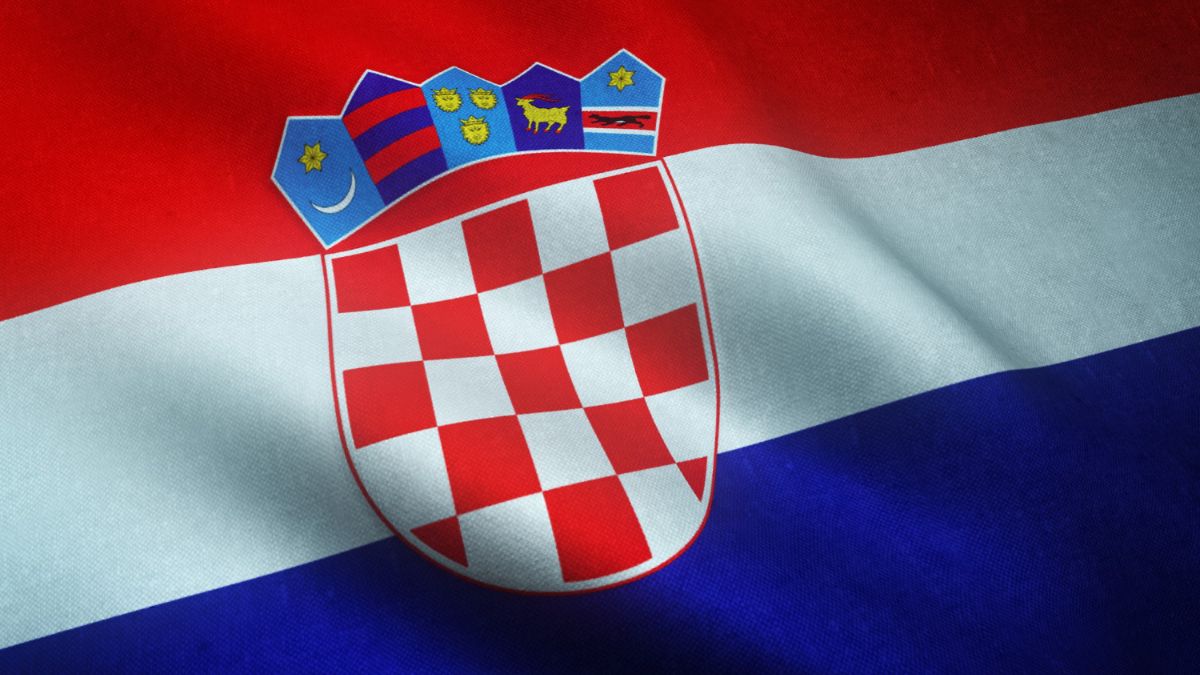
Croatia has overhauled its immigration rules, bringing longer work permit processing times, location-based permit restrictions, and more flexibility for foreign workers changing jobs. The new rules took effect on June 4, 2026 and affect employers, international workers, and anyone planning to relocate to Croatia.
For Indian professionals considering Croatia for work, the changes bring both new hurdles and added protections.
Work Permits Now Restricted to Specific Regions
Croatia has introduced territorial limits on many work permits.
If your work permit required a labour market test, it is now valid only in the administrative zone where that test was completed. Likewise, permits issued for shortage occupations can only be used in regions where that occupation officially remains on the shortage list.
This means employers can no longer move foreign workers freely across the country without checking permit conditions.
Expect Longer Processing Times
Applicants will also need more patience.
The standard processing time for initial residence and work permit applications has increased to 90 days, up from the previous 30 to 60 days. Complex cases can now take an additional 30 days instead of 15.
Indian workers planning to join Croatian employers should factor these longer timelines into their visa and travel plans.
Changing Employers Is Now Much Easier
One of the biggest improvements benefits foreign workers already living in Croatia.
After completing six months with an employer, foreign nationals can now switch jobs without applying for a completely new work permit or seeking separate government approval.
This reflects a wider European trend of giving skilled migrant workers greater mobility instead of tying them to a single employer.
New Grace Period After Job Loss
Croatia has also introduced unemployment protection for residence and work permit holders.
Foreign workers now have:
- Three months to find a new job if they have held their permit for less than two years.
- Six months if they have held their permit for more than two years.
- An extra three months if they left a job involving particularly exploitative working conditions.
Workers must notify Croatian authorities within five days after their employment ends and actively search for a new job during the grace period.
Previously, losing a job often meant facing immediate immigration uncertainty.
Other Immigration Changes
Croatia has also introduced several additional reforms:
- Government communication with employers is gradually moving online through the e-Građani digital system.
- Student residence permits can now be issued for up to three years, instead of one.
- Seasonal work permits may now remain valid for up to three years with the same employer, although seasonal work limits still apply.
- Foreign nationals now have 15 days instead of three days to register their address after arrival or after moving.
- Most foreign workers renewing their residence and work permits after one year must now pass a basic Croatian language test (A1.1 level).
What It Means for Foreign Workers
Croatia has become an increasingly popular destination for foreign professionals in construction, hospitality, manufacturing, healthcare, and transport because of growing labour shortages.
While the longer permit processing time could delay relocation, the easier job-switching rules and unemployment protection offer greater security for Indians already working in the country.
Travelobiz Take
We see Croatia balancing tighter immigration control with better worker rights. I believe the longer processing time is frustrating, but the added flexibility and job security make these reforms worthwhile for Indian professionals planning long-term careers.
Follow and connect with us on Facebook, Twitter, LinkedIn, Instagram and Google News for the latest travel news and updates!