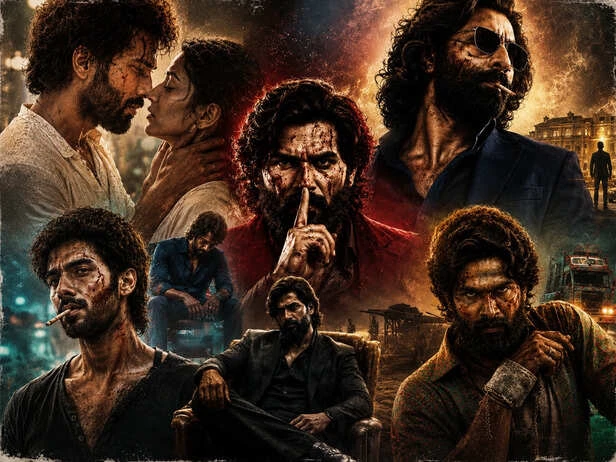
At that time, the scene felt disturbing and intense. But later, internet meme culture completely changed how people consumed it. The same scene slowly turned into “red flag boyfriend” memes, toxic romance jokes, sigma male edits, and ironic relationship reels across social media.
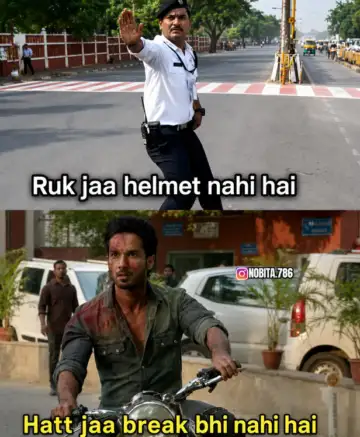 Pinterest | Kabir Singh trending on social media
There was a time in film history when toxic movie scenes and characters made audiences uncomfortable. When characters lost control and attacked their partners or loved ones, viewers were expected to consume those moments as disturbing and problematic. But now, the situation is leading to a drastic shift.
The internet sees those scenes and says, “Bro got a ticket straight to the mental hospital” or “Hell needs bro.”Meme culture is making toxicity look funny and relatable
This is the biggest shift meme culture has made to toxicity in movies. Toxicity is no longer just criticised; instead, it has become a source of jokes and relatable content. Within hours of a movie’s release, scenes become part of breakup reels, gym motivation edits, POV memes, sigma male edits, and comedy content. Memes are getting much more recognition than the actual movie scenes themselves.
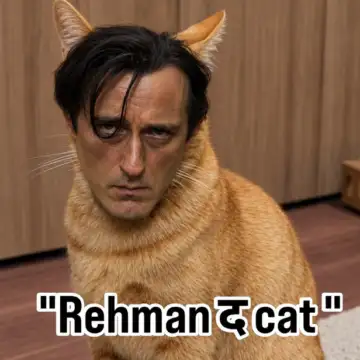 Pinterest | Rahman Dakait is a sensation in social media through memes.
No recent films like Kabir Singh and Animal give a better understanding of how meme culture works in movies. Violent scenes in Animal, like protagonist Ranvijay describing alpha male behaviour, the “lick my shoe” scene, and his obsessive possessiveness over family and relationships throughout the film, are now meme content. People are also using satire and irony in these memes. Memes like “POV after one heartbreak,” “boys after listening to Arjan Vailly,” and “male rage aesthetics” were trending.Why Kabir Singh became the internet’s biggest red flag
Kabir Singh was tagged as the biggest red flag by the internet. His serious anger issues, possessiveness, emotional instability, and toxic masculinity became trending topics on social media through memes. Memes like “average guys after getting blocked,” “boys after growing a beard once,” and “men after a breakup” went viral. Kabir screaming “Bandhi meri hai” became a favourite dialogue for memers.
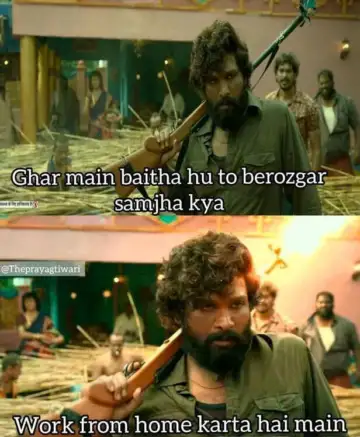 Pinterest | Pushpa was a content for memes on social mediaFrom Pushpa to Rocky Bhai: The symbol of “Aura Farming” meme culture
Memers have labelled toxic gangster characters like Rahman Dakait, Pushpa, .
View this post on Instagram
How meme culture removes consequences from toxic characters
Meme culture removes consequences, and this is why toxic movie scenes stop feeling serious online. A filmmaker spends years creating a toxic character filled with anger issues, emotional instability, and possessiveness. But social media transforms that dramatic mood into something lighter, funnier, and more tolerable. Reaction GIFs, sigma edits, and breakup content suddenly flood social media.
Like Kabir Singh and Animal, other movies that spread toxicity will slowly stop looking disturbing; instead, they will start looking stylish or humorous. Red flags won’t stay red flags for long.
Meme culture has become so viral that, after the release of a movie, memers instantly come up with videos captioned: “Me when Swiggy forgets my garlic dip.”
That’s meme culture. Memes can turn a serious, toxic scene into a mass sigma edit or humorous content.