Image Credit source: da-kuk/E+/Getty Images
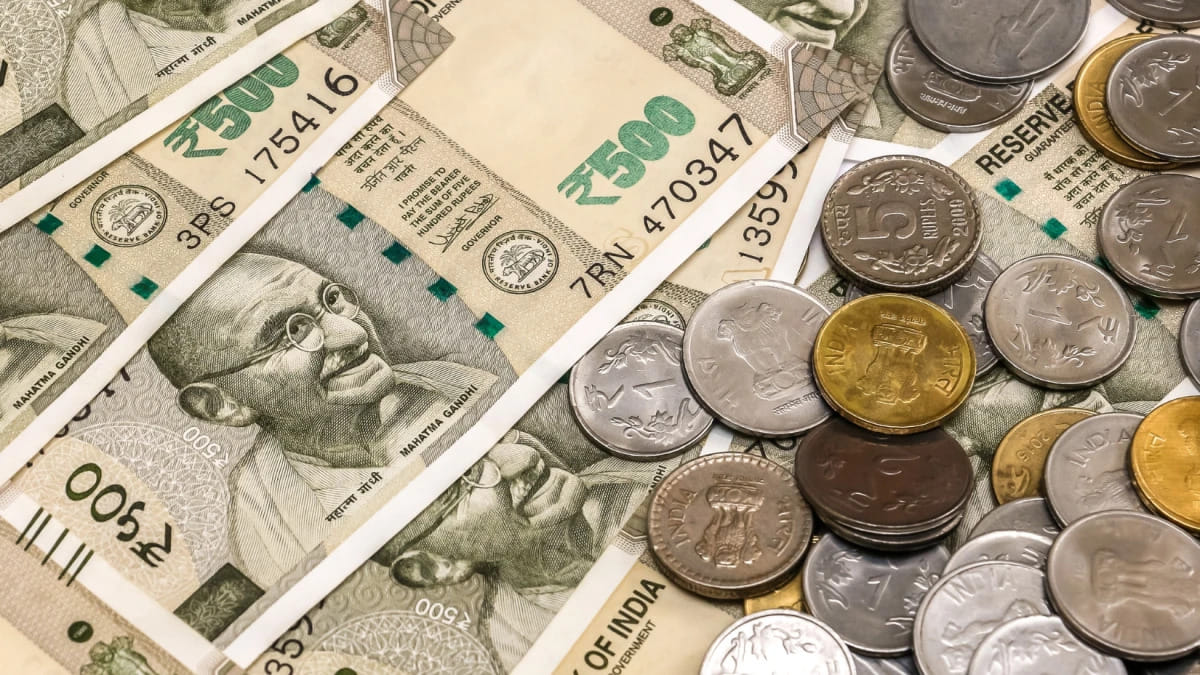
On Tuesday, the Indian rupee fell to its lowest level ever. The biggest reason for which is the increase in crude oil prices and increase in US bond yields. According to Reuters report, during the trading session, the rupee fell to a lifetime low of 96.47 against the dollar, which was at a lower level of 96.3875 on Monday. Since the start of the Iran war in late February, this currency has suffered a total loss of 6%. The combination of high crude oil prices and low capital inflows due to the long-running standoff between the US and Iran is increasing India’s external imbalances and weakening the rupee.
Current account deficit expected to increase
Economists estimate that India’s current account deficit (CAD) will increase significantly in the current financial year. The pressure on the external sector may increase further due to the possible impact on remittances coming from the Middle East and the fear of a decline in portfolio investment due to growing concerns about India’s growth prospects. Economists estimate that this year India’s balance of payments (BOP) will increase to a deficit of $ 65 to $ 70 billion. This will be the third consecutive year of deficit, which reflects the continuing pressure on the external sector.
fear of rising inflation
HSBC said in a note that India faces a dual challenge… reducing the current account deficit and attracting capital that is sustainable. According to the note, continued distribution of pressure in the foreign exchange market between currency weakness (which may reduce the trade deficit over time) and the use of foreign exchange reserves should help. High oil prices are already impacting India’s external sector and inflation figures.
The trade deficit widened to $28.38 billion in April, mainly due to an increase in crude oil imports, which reached a six-month high. Additionally, wholesale inflation rose to its highest level in the last three and a half years in April, reflecting the impact of rising energy costs. Prime Minister Narendra Modi’s recent appeal to save fuel and foreign exchange highlights the seriousness of the pressure on the economy.
Pressure increased due to US yield
The recent rise in US Treasury yields due to inflation concerns has further increased uncertainty over the future of the rupee. America’s 10-year yield reached its highest level in a year, after which it softened slightly on Tuesday. Investors are now taking more seriously the possibility of the Federal Reserve raising interest rates this year. According to experts, this may make it more difficult for India to attract the necessary capital investment to bridge its current account deficit.