As a heatwave grips northern India, Dehradun Zoo has deployed special cooling arrangements for its animals, including fountains, tarps, and cooling foods. Other zoos across India, like in Vadodara and Bathinda, are also taking similar measures.
Dehradun Zoo’s Heatwave Action Plan
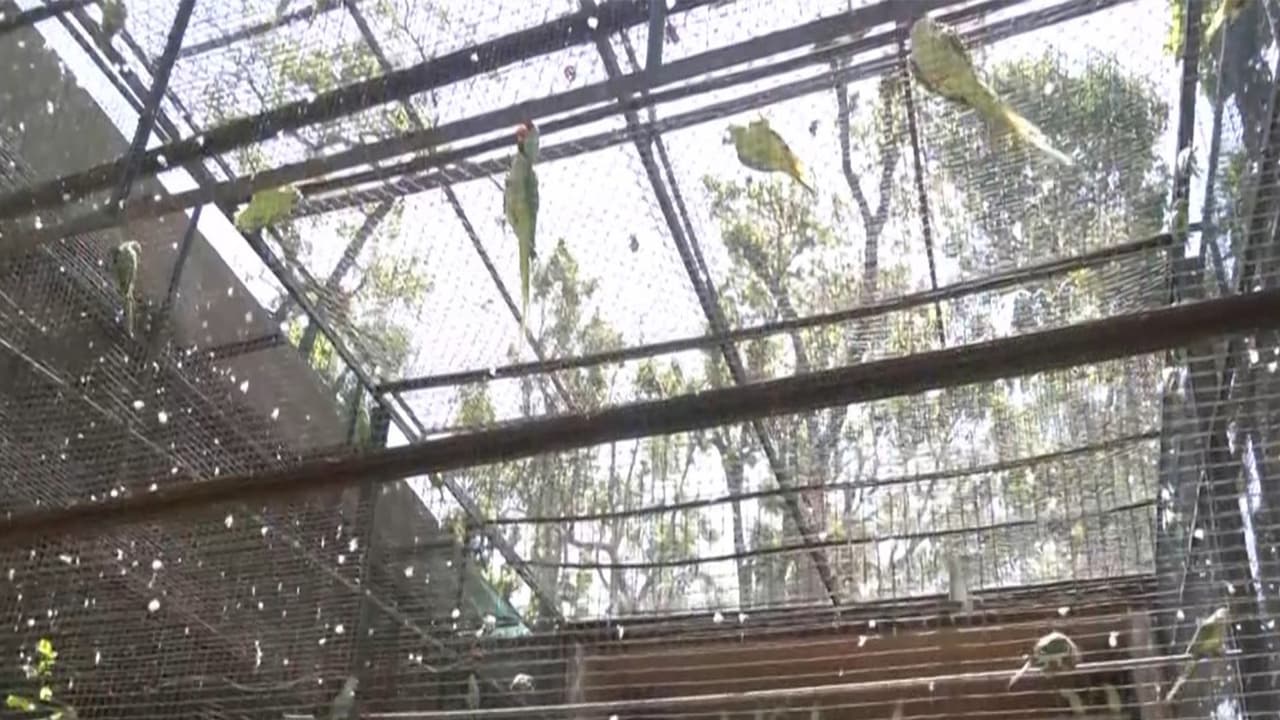
With the northern parts of the country, including Delhi and Dehradun, witnessing a sharp rise in temperatures, the Dehradun Zoo has intensified efforts to protect animals from the prevailing heatwave by introducing special cooling and care arrangements across its premises. The zoo authorities have implemented a range of measures to ensure the comfort and safety of animals, including the operation of fountains, covering of enclosures with tarpaulins to shield animals from direct sunlight, and regular water spraying to maintain a cooling effect and humidity levels inside the enclosures.
According to Dehradun Zoo Range Officer Mohan Singh Rawat, the steps have been taken keeping in mind the vulnerability of animals during extreme summer conditions. As part of the heat mitigation measures, birds are being provided with cooling foods such as cucumbers and watermelons to maintain hydration levels. Water sources and bathing facilities have also been arranged for animals, including emus, ostriches, tigers and bears to help them cope with the extreme temperatures. “Animals will be affected by the heat. In Dehradun Zoo, we have made several arrangements to mitigate heatwaves, such as running fountains and covering half of the bird enclosures with tarps so that they are shielded from direct sunlight. We have also sprayed water across the enclosures to create a cooling effect. Furthermore, we are providing fruits like cucumbers and watermelons to the birds, keeping the cut fruits in their enclosures to ensure they stay hydrated. For animals like emus, ostriches, tigers, and bears, we have created water holes and are using fountains to bathe them. During the summer season, more than 5,000 tourists arrive here every day,” Rawat told ANI.
Nationwide Measures in Other Zoos
In addition to Dehradun, several other zoos across the country have also stepped up precautionary measures to ensure the well-being of animals amid the ongoing heatwave.
Cooling Efforts in Vadodara
In Vadodara, the Shri Sayajibaug Zoological Park stepped up efforts to protect animals and birds from heat stress and dehydration. As part of the heatwave measures, zoo authorities have introduced multiple cooling arrangements, including water spraying, ice blocks, foggers, and hydration supplements. Zoo Curator (Manager) Pratyush Patankar said that the preparations have been strengthened in view of the heatwave alert issued by the Meteorological Department. “As per the information provided by the meteorological department, there is a heatwave alert in effect for the next 10 days with temperatures exceeding 43 degrees Celsius in Vadodara. In such conditions, the Vadodara Municipal Corporation’s Shri Sayajibaug Zoological Park has made complete arrangements to ensure that the animals and birds kept in the zoo do not suffer from heat stress or dehydration,” Patankar told ANI.
Precautionary Steps in Bathinda
Meanwhile, the Bathinda Zoo has also put in place special arrangements to safeguard animals from heat stress. Officials have issued advisories and ensured strict adherence to protocols for animal care during extreme weather conditions. Bathinda Animal Husbandry Department Assistant Director Dr Vijay Kumar said the department has taken necessary precautions in coordination with forest authorities. “Our department is responsible for the health services of the animals. We have issued advisories regarding the adverse effects of heatwaves. The Forest Department strictly follows all protocols, including quarantine procedures for new animals to acclimate them to the environment before integrating them into the general wards. The constant access to water and the fact that feeding times are in the morning and evening to conserve energy during hot weather. Veterinary officers are stationed at the zoo to ensure the safety and timely treatment of sick wildlife,” Dr Kumar told ANI.
Officials across zoos have emphasised that constant access to water, regulated feeding timings and cooling infrastructure are key to ensuring animal welfare during the ongoing heatwave conditions. (ANI)
(Except for the headline, this story has not been edited by Asianet Newsable English staff and is published from a syndicated feed.)