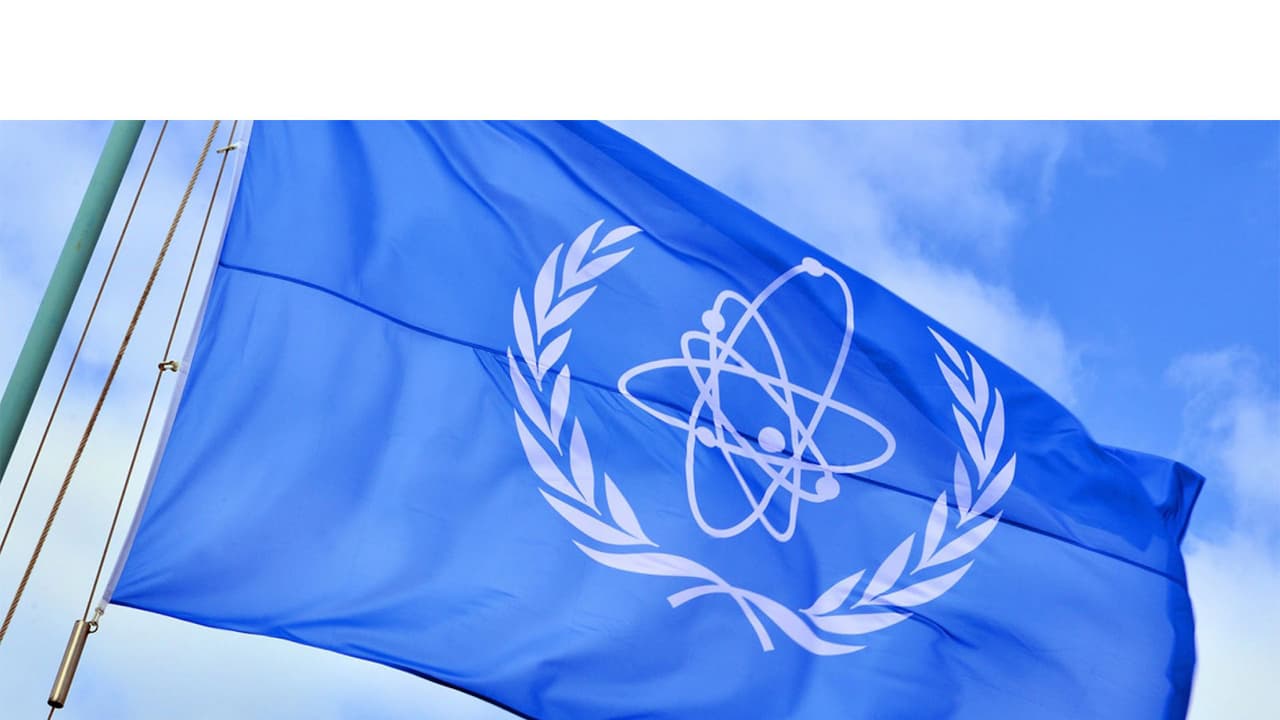
The IAEA voiced ‘grave concern’ after a drone strike caused a fire at an electrical generator near the UAE’s Barakah nuclear plant. The agency highlighted the catastrophic risk, though the UAE confirmed radiation levels remain normal.
Raising the alarm over escalating security vulnerabilities, the UN atomic watchdog, the IAEA, has expressed “grave concern” over a drone strike near a United Arab Emirates nuclear plant that triggered a fire, though it said that radiation levels remained normal. The critical incident has sent ripples through the international community, prompting urgent appeals for restraint and the absolute protection of strategic energy assets.
The aerial incursion, which marks a perilous new phase in regional hostilities, targeted the UAE’s al-Dhafra region and ignited a fire at an electrical generator positioned within the sprawling complex of the Barakah Nuclear Energy Plant. The sudden offensive triggered an immediate activation of emergency response protocols to contain the blaze at the critical infrastructure facility.
Elaborating on the severity of the situation, the International Atomic Energy Agency stated on social media platform X that its head, Rafael Grossi, voiced deep concern, adding, “Military activity that threatens nuclear safety is unacceptable.” The global nuclear watchdog emphasised that targeting or operating weaponised systems in the immediate vicinity of such sensitive infrastructure poses a catastrophic risk to regional safety. The IAEA has been informed by the UAE that radiation levels at the Barakah NPP remain normal and no injuries were reported after a drone strike this morning caused a fire in an electrical generator located outside the inner site perimeter of the NPP. Emergency diesel generators… pic.twitter.com/km2rg08Gvd — IAEA – International Atomic Energy Agency ⚛️ (@iaeaorg) May 17, 2026
No Radiological Impact, UAE Confirms
Reassuring the public regarding the immediate environmental impacts following the close-range offensive, the organisation confirmed that defensive and monitoring parameters functioned as intended, noting that the IAEA has been informed by the UAE that radiation levels at the Barakah NPP (nuclear power plant) remain normal and no injuries were reported.
In an official public update also released on X, Abu Dhabi’s media office confirmed that emergency teams successfully managed the situation on the ground. The statement reassured the public that no injuries were reported and verified that there was no impact on radiological safety levels, as the fire was confined to an area outside the inner perimeter of the power plant.
Unprecedented Attack on Key UAE Asset
The incident has since triggered widespread international concern, even though no faction has come forward to claim responsibility for the aerial incursion. The official statement issued by the UAE notably refrained from attributing blame to any specific party for the hostile action, maintaining a cautious diplomatic stance as investigations continue.
Significantly, the strike on Sunday represents the first instance where the four-reactor Barakah Nuclear Power Plant has been actively targeted during the ongoing Iran war. Geographically isolated, the critical facility is situated deep within the far western deserts of Abu Dhabi, positioned in close proximity to the border with Saudi Arabia.
This unprecedented targeting marks a sharp escalation for the installation, which holds a historical distinction as the first and only operational nuclear power facility located anywhere on the Arabian Peninsula. The massive USD 20 billion Barakah nuclear power plant was originally constructed by the Emirates in technical collaboration with South Korea and successfully went online in 2020.
Targeting Nuclear Plants: A Troubling Trend
The unfolding situation highlights how, in recent years, nuclear power infrastructure has increasingly found itself targeted within active combat zones. This represents a dangerous trend that first intensified during Russia’s full-scale invasion of Ukraine in 2022. A similar dynamic has been playing out on the other side of the current Iran war, where Tehran has frequently asserted that its own Bushehr nuclear power plant came under hostile attack. However, those previous incidents resulted in no direct structural damage to its Russian-run reactor, nor did they trigger any form of radiological release.
Strike Amplifies Regional Tensions and Energy Crisis Fears
The strike on Barakah does not sit in isolation but instead follows a turbulent pattern of hostilities, with several instances of attacks around the Strait of Hormuz and Persian Gulf countries documented over the past several weeks.
Concurrently, diplomatic negotiations between Iran and the US have ground to a complete standstill, creating a highly volatile environment where a shaky ceasefire threatens to collapse entirely. The potential breakdown of this fragile truce risks tipping the wider Middle East back into a state of open warfare, a catastrophic scenario that would drastically prolong the worldwide energy crisis originally sparked by the conflict. Compounding this global economic strain is the reality that Iran maintains a strict chokehold on the Strait of Hormuz, a vital maritime waterway where a fifth of the world’s oil passed through before the outbreak of the war, while America continues to enforce a strict naval blockade on Iranian ports. (ANI)
(Except for the headline, this story has not been edited by Asianet Newsable English staff and is published from a syndicated feed.)