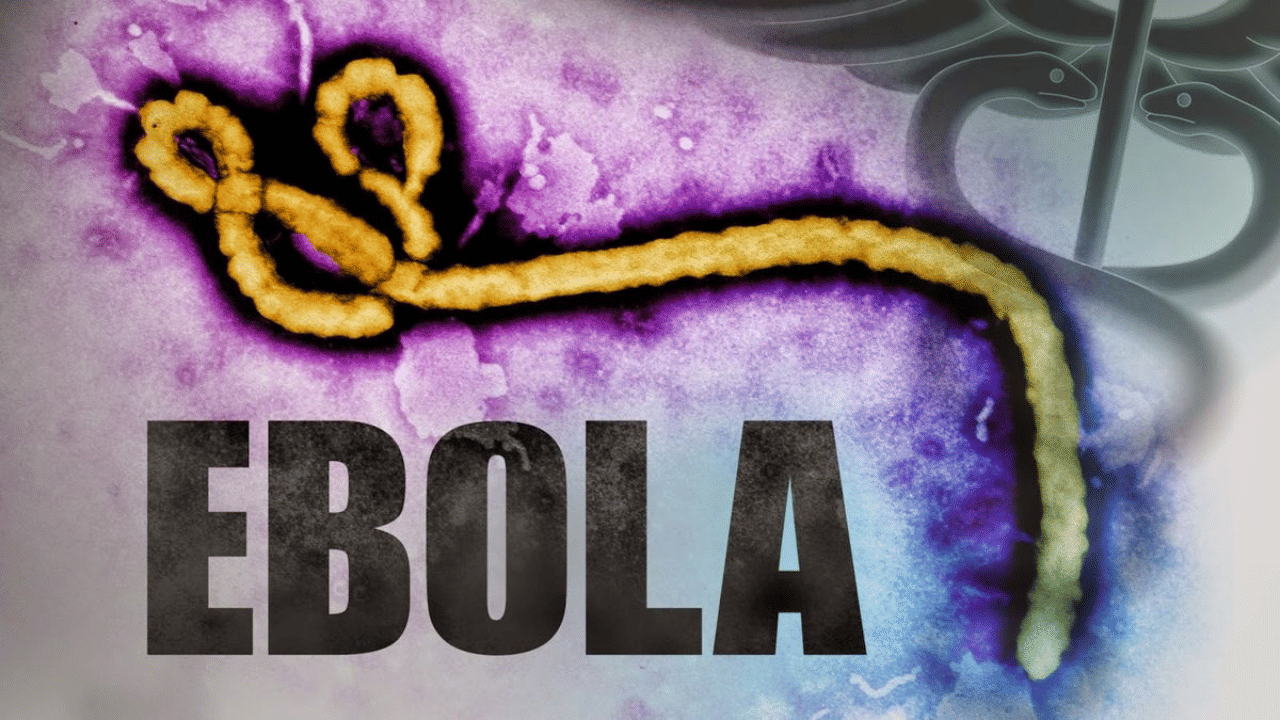
New Delhi: The World Health Organization’s decision to declare the Ebola outbreak a global health emergency has put the disease back in the international spotlight. Ebola is a serious and often deadly viral illness that can spread quickly when outbreaks are not contained early. It has affected parts of Africa for decades, and each new outbreak raises urgent concerns about public health, cross-border spread, and the ability of health systems to respond fast enough. According to recent reports, the current outbreak in the Democratic Republic of Congo and Uganda has been classified by WHO as a public health emergency of international concern, which shows how seriously experts are treating the situation.
This development has sparked fresh questions about how dangerous Ebola really is, how it spreads, and whether the world should be worried about a wider crisis. While the word “emergency” sounds frightening, the declaration is mainly a signal for governments and health agencies to step up surveillance, contact tracing, infection control, and cross-border coordination. Here is a simple guide to what is happening, why it matters, and what people should know right now.
WHO declares Ebola outbreak a public health emergency
WHO has classified the outbreak as a public health emergency of international concern, often shortened to PHEIC. This is one of the strongest alerts the agency can issue, and it is used when a disease outbreak poses a serious risk that needs a coordinated international response. In this case, WHO has stressed that the situation is urgent because of the number of suspected deaths, laboratory-confirmed cases and the fact that the outbreak has already crossed borders.
At the same time, WHO has made it clear that the situation does not meet the criteria for a pandemic emergency. That distinction is important because many people hear the word “emergency” and assume the virus is spreading uncontrollably everywhere. In reality, WHO is signalling that strong action is needed now to contain the outbreak in the affected region, stop further transmission and prevent the disease from reaching more countries.
What is Bundibugyo virus
The current outbreak is caused by the Bundibugyo virus, one of the species that causes Ebola disease. It was first identified in Uganda in 2007 and is less well known than the Zaire strain, but it can still cause severe illness and deaths. WHO says the present outbreak in Congo is linked to this strain, which is why health authorities are treating it as a major concern.
What makes this strain especially worrying is the lack of approved, strain-specific vaccines or targeted treatments. That means public health teams must depend heavily on early detection, patient isolation, contact tracing and infection control.
Where the outbreak is spreading
The outbreak is centred in Ituri province in north-eastern Democratic Republic of Congo, especially around health zones such as Mongbwalu and Rwampara, with further concern linked to Bunia, the provincial capital. WHO and Africa CDC updates have reported hundreds of suspected infections and dozens of deaths in the region, although the exact numbers remain under review as testing and verification continue.
What has raised the stakes even further is the confirmation of cases in Uganda, including in Kampala, after travel from the affected area in Congo. There has also been a confirmed case in Kinshasa involving a traveller from Ituri, showing how movement between regions can carry the virus beyond the original outbreak zone.
How Ebola spreads
Ebola spreads through direct contact with the blood, secretions or body fluids of a person who is infected and already showing symptoms. It can also spread through contaminated clothing, bedding or medical equipment if strict infection prevention measures are not followed. Importantly, Ebola does not spread through the air in the same way as flu or COVID-19, which means casual contact in ordinary daily settings is not the main risk.
Symptoms of Ebola
Ebola can start with symptoms that look like many other illnesses, which is one reason it can be missed early. Common early signs include fever, headache, fatigue, muscle pain and weakness. These symptoms may appear two to 21 days after exposure, although many people develop them within about a week to 10 days.
As the disease worsens, patients may develop vomiting, diarrhoea, stomach pain, rash and, in some cases, bleeding from the gums, nose or in the stool. Severe dehydration and organ failure can follow quickly if treatment is delayed. That is why health agencies keep repeating the same message: anyone in an outbreak area with these symptoms should seek medical help immediately and avoid close contact with others.
Is there a vaccine or cure
There is currently no approved vaccine or specific treatment for the Bundibugyo strain of Ebola, according to WHO reporting on the current outbreak. That makes the situation more challenging than outbreaks involving the Zaire strain, where medical tools have been more developed. For the Bundibugyo virus, health teams must rely mainly on containment measures, supportive care and rapid response.
Supportive treatment can still save lives. Patients may need fluids, electrolyte support, oxygen and management of complications in a carefully controlled clinical setting. The absence of a strain-specific vaccine is exactly why public health experts focus so heavily on stopping transmission early, because once the outbreak grows, the burden on hospitals and local health systems rises sharply.
What WHO is asking countries to do
WHO has called for stronger surveillance, quick laboratory testing, active case finding, contact tracing and infection prevention in hospitals. It is also pushing for risk communication so communities understand the symptoms, the transmission route and the need for early reporting. These steps are standard in Ebola control, but they become especially important when the disease is spreading across borders and in areas with difficult terrain or conflict-related access issues.
The key point is that Ebola is dangerous, but it is also a disease that health systems can control when they move quickly. The current outbreak is a reminder that early testing, isolation, tracing and community awareness remain the strongest tools in stopping the virus.