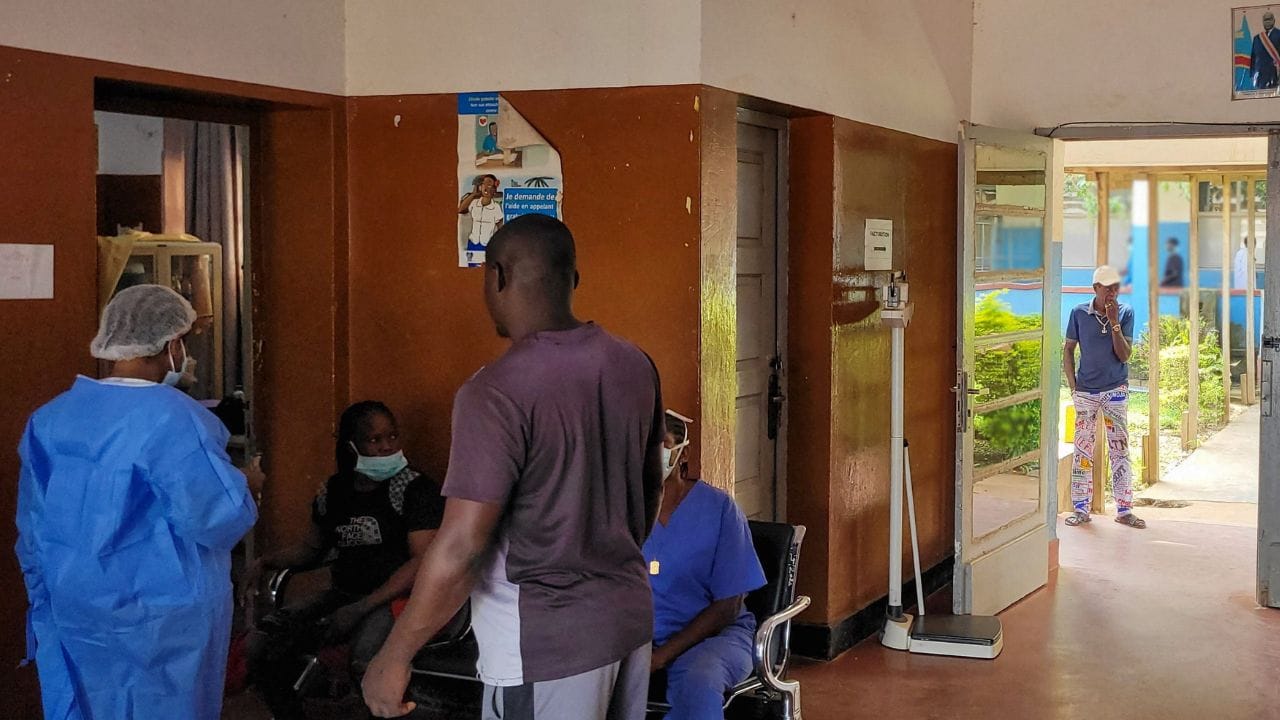
New Delhi: The World Health Organization (WHO) on Sunday declared “public health emergency of international concern” over a rare Ebola strain spreading in the Democratic Republic of Congo (DRC) and Uganda. The situation has not been declared a pandemic yet.
The global body clarified that the outbreak does not meet the criteria of a pandemic emergency while adding that the countries sharing borders with DRC are at high risk for further spread, a report by Reuters mentioned. The outbreak is largely attributed to the Bundibugyo virus.
DRC health ministry said on Friday that 80 people have died in the new outbreak. The WHO in a statement said that there could be potentially be a much larger outbreak than what is reported and detected. The global body cited high positivity rate on the initial samples and increasing number of suspected cases being reported.
At least 80 dead so far in Congo
Providing data, WHO in a statement said that 80 suspected deaths, eight laboratory-confirmed cases and 246 suspected cases had been reported as of Saturday in DRC’s Ituri province. “Unlike for Ebola-zaire strains, there are currently no approved Bundibugyo virus-specific therapeutics or vaccines. As such, this event is considered extraordinary,” the statement said.
It has also asked other countries to activate their national disaster and emergency-management mechanisms. “The event constitutes a public health risk to other States Parties through the international spread of disease. International spread has already been documented, with two confirmed cases reported in Kampala, Uganda on May 15 and 16 following travel from the Democratic Republic of the Congo,” WHO said.
Countries sharing land border with Congo at high risk
It added that countries sharing land borders with DRC are high risk for further spread “due to population mobility, trade and travel linkages, and ongoing epidemiological uncertainty”.
The WHO added that Bundibugyo virus-disease contacts or cases should not travel internationally, unless as part of a medical evacuation while adding immediate isolation of confirmed cases and monitoring of contacts on a daily basis.
Meanwhile, it advised countries not to close borders or place any restrictions on travel and trade out of fear. “Such measures are usually implemented out of fear and have no basis in science. They push the movement of people and goods to informal border crossings that are not monitored, thus increasing the chances of the spread of disease. Most critically, these restrictions can also compromise local economies and negatively affect response operations from a security and logistics perspective,” it said.