India’s first FDA-approved Alzheimer’s drug debuts at Rs 91,688 per dose

New Delhi: Alzheimer’s patients in India now have a new treatment option, with pharmaceutical giant Eli Lilly launching donanemab in the Indian market under the name Lormalzi. The infusion, which is 350mg, is to be taken once a month and has been shown to slow the progression of the disease by dissolving amyloid-beta protein plaques in the brain; it is a classic sign of the neurodegenerative disease.
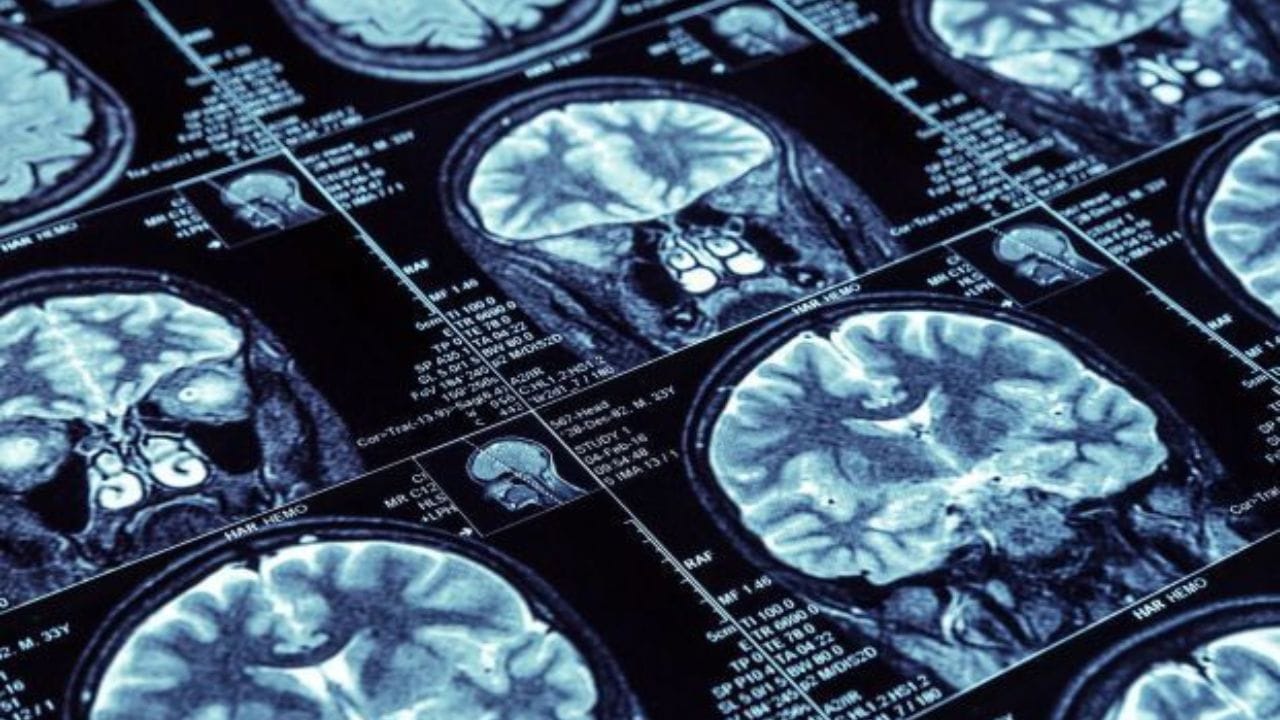
It is a monoclonal antibody therapy for Alzheimer’s that works by using lab-engineered proteins to locate and clear amyloid-beta plaques in the brain. By doing so, it can slow cognitive decline in early-stage patients by about 30 per cent.

Alzheimer’s to get first therapy in India

Current approved options—such as lecanemab (Leqembi) and donanemab (Kisunla)—are delivered through intravenous infusions to help reduce plaque accumulation.

Winselow Tucker, president and general manager of Eli Lilly and Company (India), said that Alzheimer’s is a complex and progressive illness that deeply affects patients, caregivers, and healthcare systems. He noted that launching Lormalzi in India reflects the company’s ongoing commitment to innovation and evidence-based care for those living with the disease.

He added that Eli Lilly will continue working with partners across the healthcare sector to improve patient access.

How much will the drug cost?

This breakthrough drug, the third to receive USFDA approval for Alzheimer’s and the first to be introduced in India, comes with a very high price tag.

One dose costs ₹91,688. The company plans to introduce an access programme to make it available at reduced prices, but even with this support, it is expected that only a limited number of patients will be able to afford the treatment.

Patients in the early stages of Alzheimer’s disease, those with mild cognitive impairment and mild dementia are the perfect fit for getting the drug dose. Those in the already progressed advanced stage are recommended not to take the drug, marking an important warning. While the drug promises to dissolve the build-up of amyloid beta protein in the brain, it cannot reverse the damage that has already been done.
The drug can be a game-changer for patients with Alzheimer’s, as dementia currently affects nearly 8.8 million people in India, with Alzheimer’s accounting for the majority of cases. The number of cases is projected to be nearly double, 16.9 million, by 2036.