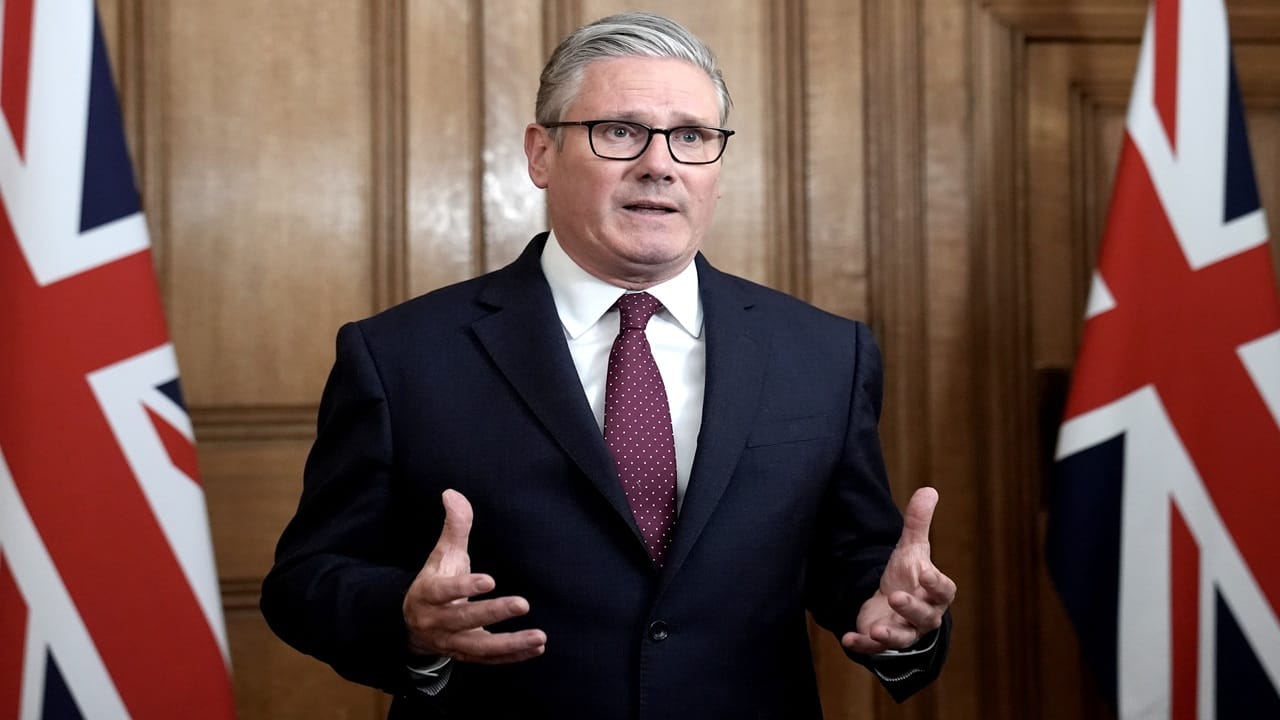
New Delhi: Less than two years after leading Labour to a landslide victory in the 2024 general election, British Prime Minister Keir Starmer is facing the biggest political crisis at office. A series of disappointing local election results, resignations within the party, and growing pressure from Labour MPs have triggered open discussions on whether Britain could soon see yet another change in leadership.
Starmer meanwhile has rejected calls to step down and insisted he will continue as prime minister. However, reports suggest frustration is growing within Labour ranks over his rule. Reuters reported this week that Starmer is battling to “save his job” as critics inside the party question whether he can lead them into the next election cycle.
Trouble piling up for Starmer
The immediate trigger for Starmer’s current fate was Labour’s weak performance in recent local and regional elections across England, Scotland and Wales. Several Labour MPs have either publicly or privately questioned Starmer’s leadership, with some openly discussing the need for a transition plan.
Starmer’s critics say his government lacks a clear political direction and has failed to inspire voters with his cautious governing style. Recent controversies around senior appointments and continued economic pressures have also hurt public confidence. Still, Starmer retains support from many senior ministers and more than 100 Labour MPs recently signed a statement opposing any immediate leadership challenge.
While Starmer has repeatedly said he has no intention of resigning, pressure seems to be building consistently against the Prime Minister in his own party. This trend is not new as in the past decade, British politics has seen a churn of leaders coming in and going out of power swiftly, with internal party dissatisfactions also playing a part in these proceedings.
A decade of upheaval in Downing Street
If Starmer were eventually forced out, he would become the sixth British prime minister in a decade to leave office amid political turmoil, elections or internal party pressure. The trend underscores the instability that has defined UK politics in this decade.
The beginning of this trend can be traced to 2016 when David Cameron resigned after Britain voted to leave the European Union in the Brexit referendum. A supporter of the UK staying in the European bloc, Cameron’s departure can be seen as what initiated the snowball effect that has today reached Starmer’s doors.
Theresa May succeeded Cameron but stepped down in 2019 after repeatedly failing to get her Brexit agreement approved by Parliament. Months of deadlock weakened her authority and led to growing rebellion inside her own party, something similar to Starmer’s fate currently.
Boris Johnson succeeded her but had to resign in 2022 after the “Partygate” scandal and a wave of ministerial resignations which eventually shattered support for his leadership. More than 40 ministers and aides quit within days, leading to his eventual ousting.
Then came the most short lived tenure of UK premier in history, with Liz Truss lasting only 49 days as the Prime Minister, economic and budgetary dissatisfactions being the prime reason for her forced resignation.
Rishi Sunak took over promising stability, but his government too struggled with inflation and compounding immigration disputes within the country, ultimately losing the 2024 general election to Labour and finally stepped down as Conservative leader.