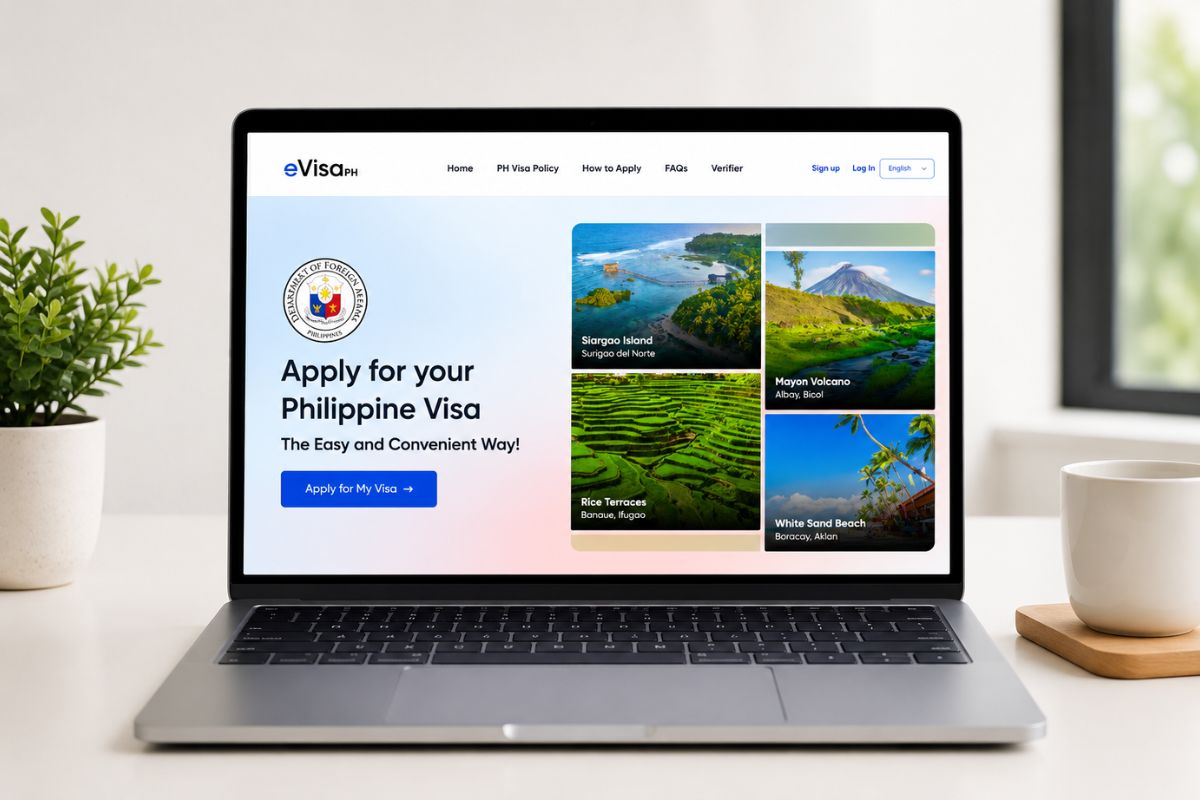
Getting a visa for the Philippines just became easier for many travellers around the world.
The Philippines has expanded its electronic visa system, also known as the e-Visa, to all nationalities legally living in 45 countries. Earlier, the system was mainly available to Indian and Chinese passport holders. Now, foreign residents in dozens of countries can apply online, no matter what passport they hold.
For travellers planning beach holidays, island hopping trips, family visits, or business travel, this is a major change. It cuts down embassy visits and makes the visa process much more convenient.
Philippines e-Visa Now Open Beyond Indian and Chinese Nationals
When the Philippines first introduced the e-Visa in 2024, the program primarily targeted Indian and Chinese citizens. Last year in October, the e-visa system expanded beyond Asia and Africa to cover key European countries, including Austria, France, Greece, and the Netherlands.
Now, anyone legally residing in one of the approved 45 countries can apply online for a Philippine visa, regardless of nationality.
This move is expected to help the country attract more tourists, digital nomads, business travellers, and long-stay visitors from around the world.
List of 45 Countries Eligible for the Philippines e-Visa Program
Foreign residents living in the following countries can now apply for a Philippines e-Visa online:
- Australia
- Austria
- Bahrain
- Belgium
- Brazil
- Cambodia
- Canada
- China
- Denmark
- Finland
- France
- Germany
- Greece
- Hong Kong
- India
- Indonesia
- Ireland
- Israel
- Italy
- Japan
- Kuwait
- Laos
- Luxembourg
- Macau
- Malaysia
- Myanmar
- Netherlands
- New Zealand
- Norway
- Oman
- Portugal
- Qatar
- Saudi Arabia
- Singapore
- South Africa
- South Korea
- Spain
- Sweden
- Switzerland
- Taiwan
- Thailand
- United Arab Emirates
- United Kingdom
- United States
- Vietnam
What is the Philippines e-Visa?
The Philippines e-Visa is an online visa system that allows eligible travellers to apply digitally instead of visiting a Philippine embassy or consulate in person.
Once approved, the visa is sent electronically. Travellers can then use it to enter the Philippines for tourism, business, or short-term visits, depending on the visa type granted.
The system is designed to make travel easier and faster, especially for people living far from embassies.
Processing Time Can Take Up to 21 Working Days
Current Philippines e-Visa processing times range from 7 to 21 working days, depending on the visa type.
- Single-entry visas are typically processed within 7 to 12 working days.
- Multiple-entry visas can take between 15 and 21 working days.
Travellers are advised not to leave their application until the last minute.
Philippines e-Visa Fees
Visa fees are considered fairly reasonable compared to many other destinations in Asia. Most applicants currently pay between US$30 and US$60 depending on:
- Single-entry or multiple-entry visa
- Applicant nationality
- Visa category
There is also an additional convenience fee of around US$25 charged during the online application process.
Also Read: Philippines Offers Visa-Free Entry for Select Indian Travellers
Philippines e-Visa Requirements
While requirements can vary slightly by nationality, most travellers are generally asked to provide:
- A valid passport
- Passport-size photograph
- Proof of legal residence in one of the 45 eligible countries
- Confirmed return or onward ticket
- Hotel booking or accommodation details
- Proof of financial means
- Completed online application form
Some applicants may also be asked for additional supporting documents.
How to Apply for a Philippines e-Visa
The process is fairly simple and fully online.
Step 1: Access the Official e-Visa Portal
Applicants need to visit the Philippines e-Visa website and create an account.
Step 2: Complete the Online Form
Fill in personal details, passport information, travel plans, and upload required documents.
Step 3: Pay the Visa Fee
Visa and convenience fees must be paid online during the application process.
Step 4: Wait for Processing
Applications are reviewed by Philippine authorities. Processing may take between 7 and 21 working days.
Step 5: Receive Your e-Visa
Once approved, the e-Visa is sent electronically. Travellers should print a copy and carry it during travel.
Validity of the Philippines e-Visa
The validity period depends on the visa issued. In most cases, travellers receive either:
- Single-entry visas
- Multiple-entry visas
The allowed stay and visa validity can vary based on nationality and approval conditions set by the Philippine immigration authorities.
Travellers should carefully check the validity dates and permitted duration of stay once the visa is approved.
Why This Matters for Travellers
This expansion is a significant step for the Philippines tourism sector.
Many international residents living abroad often face long embassy appointment waits or complicated paperwork. By opening the e-Visa system to foreign residents in 45 countries, the Philippines is making the process much more accessible.
For travellers planning tropical holidays to destinations like Manila, Boracay, Palawan, or Cebu, the new system could save both time and effort before departure.
Follow and connect with us on Facebook, Twitter, LinkedIn, Instagram and Google News for the latest travel news and updates!