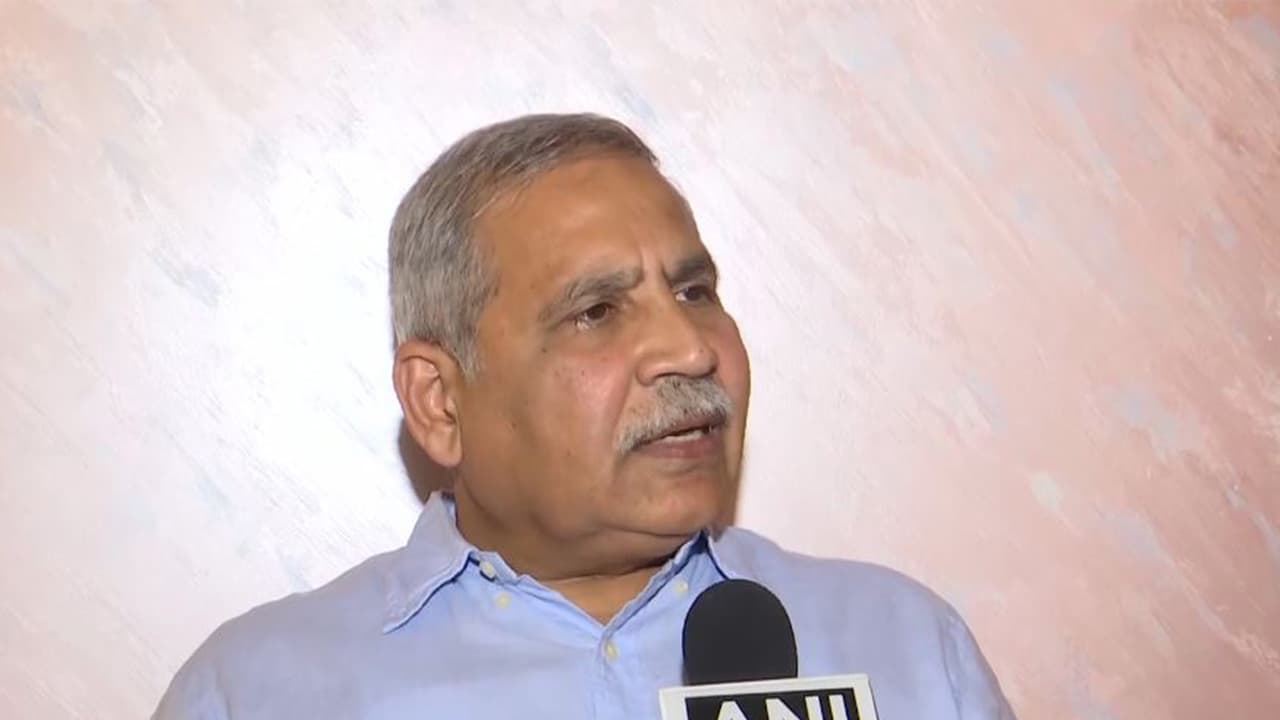
Major General Arvind Bhatia (Retd) defended the Great Nicobar Project, citing its strategic importance and urging opposition support, countering Rahul Gandhi’s claims of it being an environmental and social ‘scam’.
Rahul Gandhi Criticises Project
Bhatia’s statement comes ahead of Rahul Gandhi criticising the centre’s development push in Great Nicobar, alleging large-scale environmental destruction and displacement of local communities. He termed the project one of the “biggest scams” against the country’s natural and tribal heritage.In a post on X, Raebareli MP said he recently travelled through Great Nicobar and expressed concern over the impact of the ongoing project on forests and indigenous communities. “I travelled through Great Nicobar today. These are the most extraordinary forests I have ever seen in my life. Trees older than memory. Forests that took generations to grow. The people on this island are equally beautiful – both the adivasi communities and the settlers – but they are being robbed of what is rightfully theirs,” he wrote.He further alleged that the project would result in large-scale deforestation and ecological damage.”The government calls what it is doing here a ‘Project.’ What I have seen is not a project. It is millions of trees marked for the axe. It is 160 square kilometres of rainforest condemned to die. It is communities that have been ignored while their homes have been snatched away,” he said.
About the Great Nicobar Project
The Great Nicobar Project seeks to transform Great Nicobar into a strategic maritime and economic hub by leveraging its proximity (about 40 nautical miles) to the East-West shipping route and reducing dependence on foreign transshipment ports keeping in view the defense and National Security purpose.It includes major infrastructure components: a 14.2 million twenty foot equivalent unit( MTEU) International Container Transshipment Terminal, a Greenfield International Airport (4000 Peak Hour Passengers-PHP)., a 450 MVA gas-solar power plant, and a planned township The Great Nicobar Project is fully aligned with the Shompen Policy of 2015 and the Jarawa Policy of 2004, which mandate that large-scale development proposals prioritize the welfare and integrity of Particularly Vulnerable Tribal Groups (PVTGs) and follow a structured consultation process, government said in an official statement earlier this week. (ANI)(Except for the headline, this story has not been edited by Asianet Newsable English staff and is published from a syndicated feed.)