India has demanded in the United Nations Security Council to ensure safe movement of ships in the Strait of Hormuz. India said that these threats threaten global trade and the lives of sailors. Besides, emphasis was also laid on following international laws and strengthening global coordination.
India has stressed the need for strong international coordination to ensure safe sea lanes and unhindered movement of ships. Amidst the ongoing tension in West Asia, in view of the increasing threats to merchant ships in the Strait of Hormuz, India has once again made clear its stand on free and legal navigation.
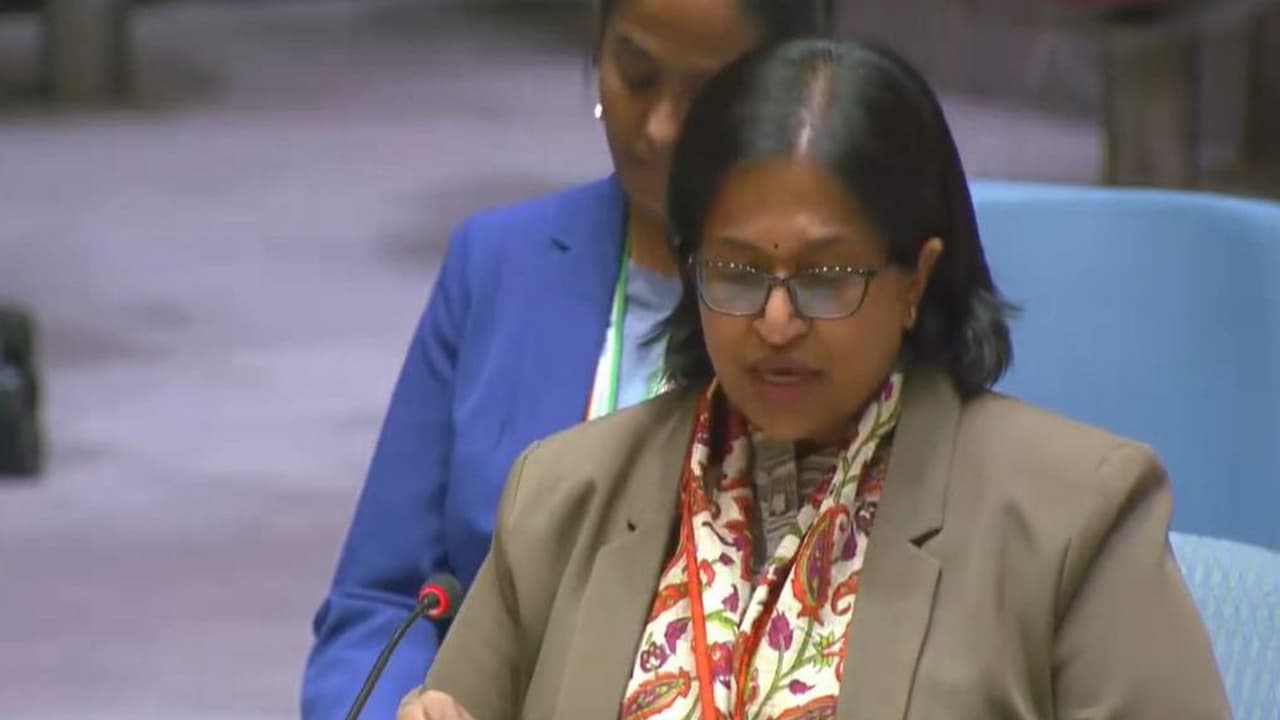
India’s Chargé d’Affaires Yojana Patel presented the country’s side in the open debate of the United Nations Security Council on Monday. In the debate on “Security of Waterways in the Maritime Zone”, he said, “In accordance with international laws, freedom of navigation and global trade through the Strait of Hormuz must be fully respected. We appeal that the safe and unhindered movement of ships be restored as soon as possible.”
Impact on global trade and seafarers
Ambassador Patel said that India is committed to a free, open and rules-based maritime order based on the United Nations Convention on the Law of the Sea (UNCLOS). He stressed that adherence to international law is essential to ensure the security of global trade routes and freedom of navigation. Highlighting the strategic importance of sea corridors, the Ambassador said that any blockage in vital sea routes impacts energy, trade and humanitarian supply chains around the world. He expressed concern over the recent attacks on merchant ships in the Strait of Hormuz, calling them unacceptable. He warned that this poses a threat to the lives of common seafarers, including Indian citizens, who have lost their lives in such accidents.
He said, “As a major trading nation, India strongly condemns the targeting of merchant vessels transiting the Strait of Hormuz and endangering the lives of innocent crew members. Such actions have led to the tragic loss of life of Indian sailors, which is unacceptable. India reiterates that freedom of navigation and global trade through the Strait of Hormuz must be fully respected in accordance with international law and safe sea passage must be restored as soon as possible.” Urges restoration.”
India’s suggestions for maritime security
While presenting its views, India put forward some major priorities. These include strengthening the safety of navigation, maintaining humanitarian supply chains, increasing maritime situation awareness and improving means of communication for seafarers. Patel said, “As a responsible maritime power, India is honored to present some recommendations to improve this situation and contribute to the safety of waterways and seafarers.”
24×7 helpline and better coordination
Presenting his recommendations, the Ambassador told the Council that the Directorate General of Shipping has launched a 24×7 helpline for seafarers of all countries. Thousands of calls and emails have been received on this issue so far, which shows the growing global concerns regarding maritime security. “To date, we have received approximately 7,500 calls and more than 15,000 emails,” he said.
The Ambassador also urged greater engagement with the Information Fusion Center – Indian Ocean Region (IFC-IOR). He cited its role in awareness and coordination in the maritime sector. He said more reporting to the center could help improve safe navigation, ease communication about seafarers and aid humanitarian assistance. India also expressed concern over the environmental risks posed by attacks on merchant ships and called for enhanced global monitoring and coordination mechanisms given the potential of marine pollution.
India’s role as a major seafaring nation
Emphasizing its position as a major maritime nation, the Ambassador said that India is one of the largest suppliers of seafarers in the world. About 13 percent of the total sailors in the world are Indians. He stressed that blockage of key waterways directly threatens global economic stability, energy security and humanitarian supply chains.
The Ambassador said, “As a leading seafaring nation committed to global maritime security, India would be pleased if Member States consider our recommendations, which can contribute to the special mandate of the United Nations and IMO in these difficult circumstances and beyond.”
He concluded, “India views maritime safety and security of waterways as vital to global security and economic prosperity. Being one of the world’s top three seafarer-suppliing nations, contributing approximately 13 per cent of the global seafaring workforce, India is deeply concerned about the safety and welfare of its seafarers. Any obstruction, disruption or perceived closure of vital waterways has a direct impact on the global economy, energy and humanitarian supply chains.”
Patel concluded by reiterating that maritime security and the safety of seafarers are vital to global peace and prosperity, and urged the international community to strengthen cooperation to ensure safe and stable waterways.