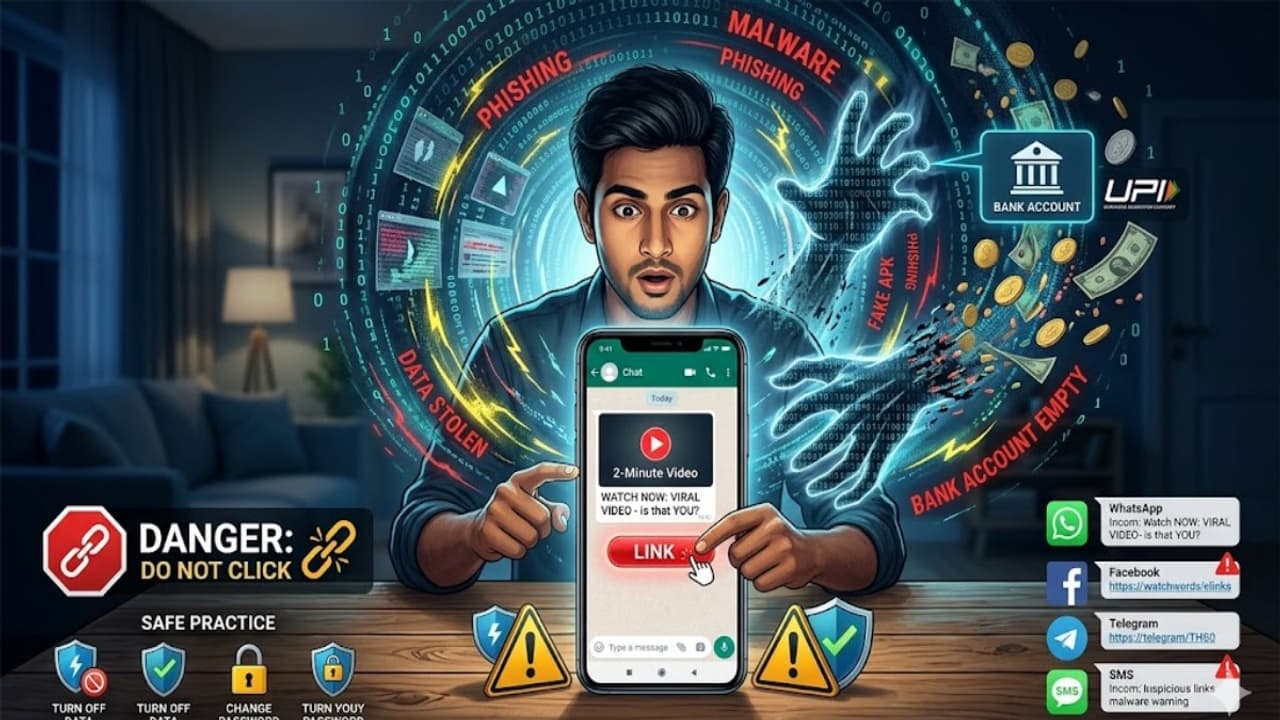
SEBI has warned against ‘Boss Scam’. In this, fraudsters pose as CEOs and ask for money from employees, for which they use AI voice cloning and WhatsApp hacking. Confirm over phone before sending money. Call 1930 for fraud.
LikeEber criminals, i.e. people who commit online fraud, keep finding new ways of cheating. Now the Securities and Exchange Board of India (SEBI) has asked the employees working in the finance department of Indian corporate companies to beware of a new type of fraud. In this scam, fraudsters, posing as the CEO or Managing Director (MD) of the company, ask the employees to transfer money in an urgent manner. This fraud is called ‘Boss Scam’ or ‘CEO Impersonation Fraud’. SEBI has found that many employees have lost money by relying on these fake instructions. When the Indian Cyber Crime Coordination Center (I4C) noticed an increase in such cases, SEBI issued this warning to listed companies and institutions under it.
How does ‘Boss Scam’ happen?
Cyber criminals are mainly using two methods.
1. Creating fake identities using AI
Fraudsters use artificial intelligence (AI) technology to create voice cloning, deepfake video calls and fake social media groups. Through this they pretend to look and speak like the boss of the company. Once the employee is sure that he is talking to the real CEO or MD, he is asked to transfer money to a specific bank account. Many times this transaction is also asked to be kept secret. For this they say that this deal is related to company intelligence (UPSI), so that the employee cannot confirm it with anyone else.
2. Malware attack to hack WhatsApp account
In another method, fraudsters send a compressed .zip file on WhatsApp. Dangerous executable files and Dynamic Link Library (DLL) files are hidden in this file. As soon as someone opens it on a Windows computer, a malware gets installed. This gives fraudsters control of your active WhatsApp web session. Once a finance department official has control over his WhatsApp account, he can send fake instructions to transfer money to other employees. SEBI said that in some cases, fraudsters take over the entire computer and save his phone number in the contact list in the name of the CEO and send fake payment instructions.
What should companies and employees do?
- SEBI advises not to immediately follow any financial transaction instructions received on WhatsApp, email or social media.
- Before sending money, call the concerned CEO, MD or senior officer directly to ensure whether the instructions are correct or not.
- The biggest warning is to never transact money based on instructions received on messaging apps, regardless of who is the sender.
- Employees have also been advised not to open executable files from unknown or untrusted sources.
- Logging out of your WhatsApp Web session when not in use can also increase your security.
- Where to complain if fraud occurs?
- If you become a victim of any such cyber fraud, then immediately call the National Cyber Crime Helpline number 1930.
- Furthermore, you National Cyber Crime Reporting Portal You can also lodge a complaint at.
SEBI says that the best way to avoid such frauds targeting employees of companies and prevent loss of money is to remain alert.