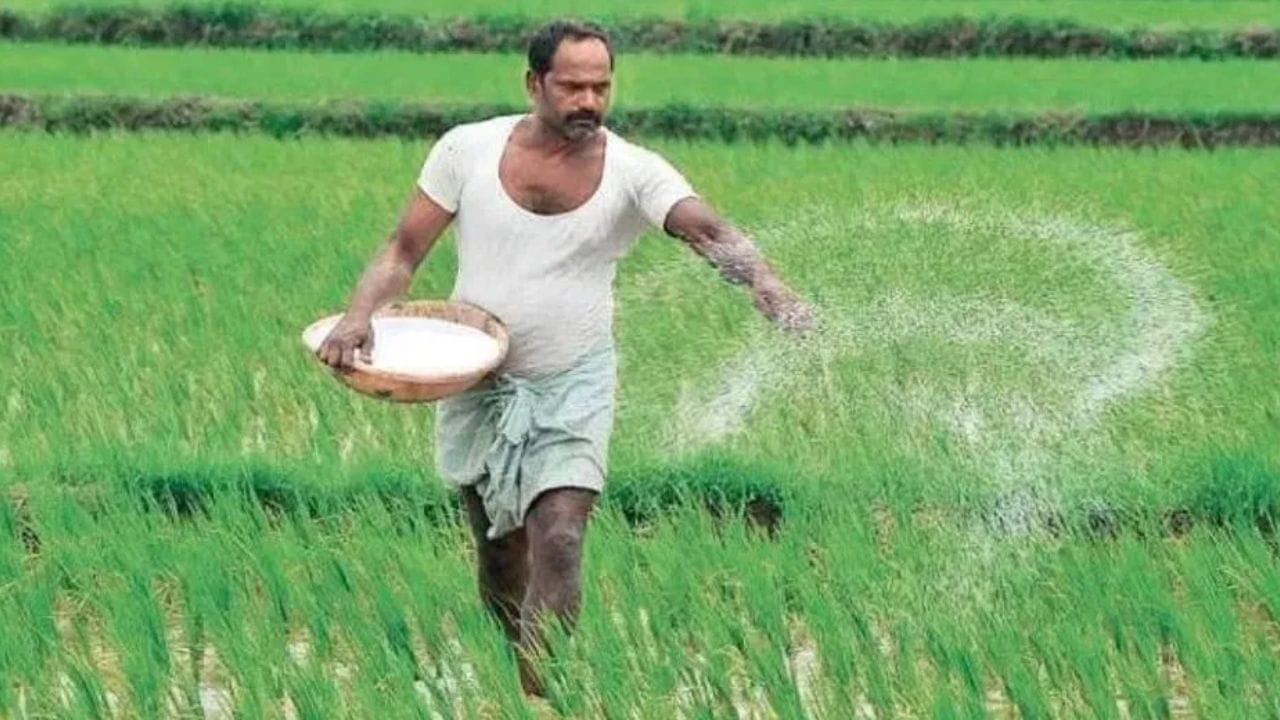
Due to geopolitical tension, there are many problems in fertilizer supply. Due to which an increase in prices has also been seen. In such a situation, the government can increase the fertilizer subsidy in the current year. According to Reuters report, Fertilizer Ministry official Aparna Sharma said on Monday that India expects its fertilizer subsidy bill to increase by about 20 percent in the current financial year. The reason for this is the increase in prices due to the Middle East crisis. India, the world’s largest importer of urea, has placed orders to import a record quantity of 2.5 million metric tons of this fertilizer. This import is being done at almost double the price, whereas two months ago its price was half. This is happening because due to the Iran conflict, global supply has been disrupted and prices have increased.
Why can fertilizer subsidy increase?
The record purchases, which account for nearly a quarter of India’s annual imports, could further restrict global supply and push prices higher. This may further increase the import cost for New Delhi in future. India’s fertilizer subsidy is also likely to increase due to rising import costs. This subsidy is given to those companies which sell nutrients (fertilizers) for crops to farmers at a price lower than the market price. India’s fertilizer subsidy for the fiscal year ending last March has been estimated at about Rs 1.87 trillion ($19.85 billion).
Saudi Arabia and Oman are the biggest suppliers
India also imports fertilizers like urea, diammonium phosphate (DAP) and muriate of potash as well as liquefied natural gas (LNG). LNG is a major raw material for urea production. Almost half of India’s DAP and urea imports come from the Middle East. Among these, Saudi Arabia is the largest supplier of DAP, while Oman is the largest supplier of urea. India has adequate reserves of fertilizers, but there is a huge surge in their demand in the months of June and July. This happens because during this time farmers start sowing crops like rice, maize, cotton and oilseeds.