The program, launched in March 2023 with a smaller base of villages and participants, has seen steady growth over time. It initially covered around 340 villages and 8,000 women, and has since expanded significantly in scale and participation. Authorities noted that this expansion reflects increasing engagement in dairy-related work as a source of livelihood. A key feature of the initiative is the use of Direct Benefit Transfer (DBT), through which payments are deposited directly into beneficiaries’ bank accounts. Officials stated that over ₹1,380 crore has been transferred so far, aimed at ensuring transparency and reducing intermediaries in financial transactions.
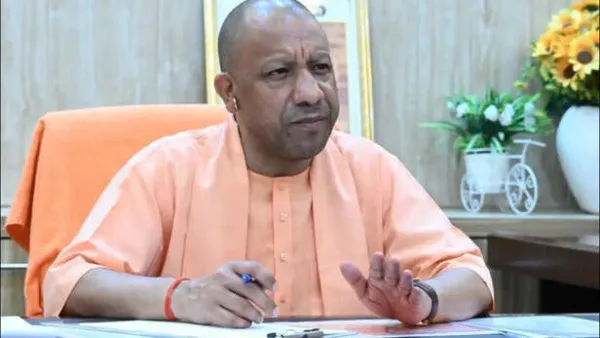
The scheme is associated with efforts by the state government led by Chief Minister Yogi Adityanath to promote women’s participation in economic activities. It focuses on linking production, procurement, and payment systems within the dairy sector. Individual cases have also emerged from participating districts, including examples of women starting small-scale dairy activities and expanding them over time. These instances are seen as part of broader changes in rural livelihoods linked to organized dairy networks. The initiative continues to expand across the region, contributing to income generation and increased participation of women in the rural economy.