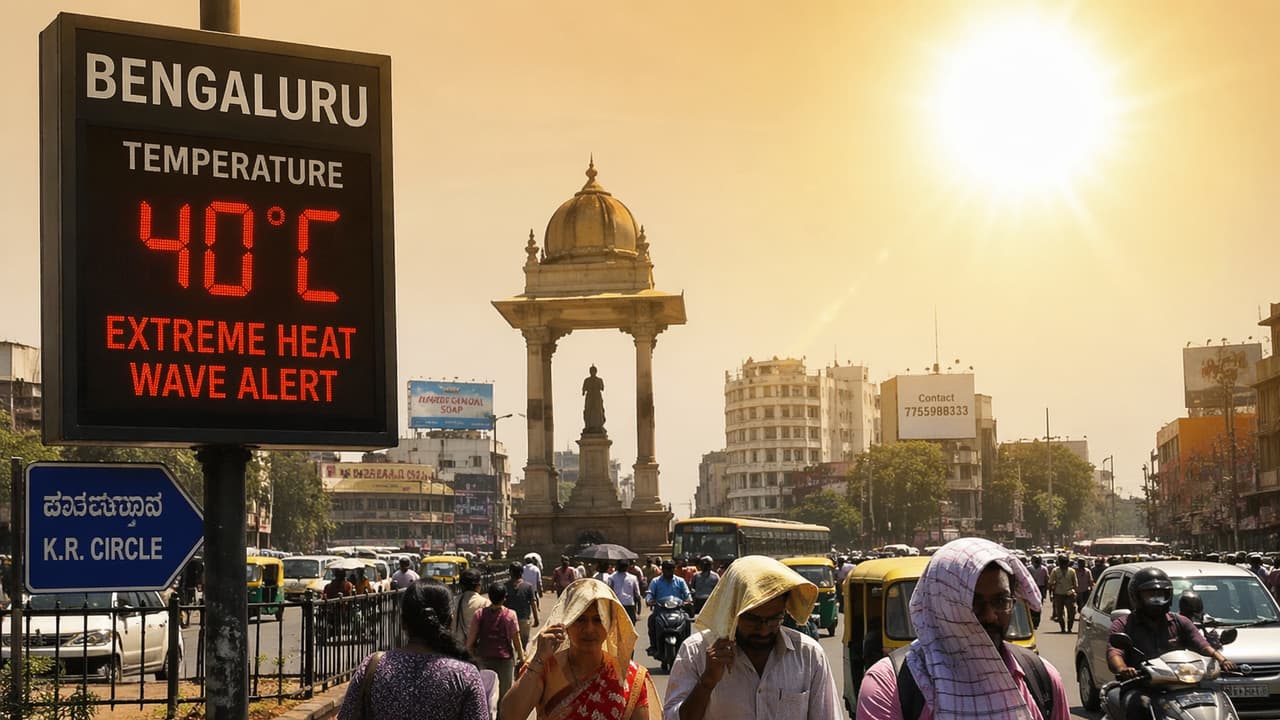
Karnataka Health Department has directed all district, taluk and community health centres to set up Heat Stroke Management Rooms amid severe heatwave. Hospitals must reserve beds, ensure ORS corners and prepare staff to handle heat-related emergencies.
The heatwave across Karnataka has reached alarming levels, with temperatures soaring and residents struggling to cope with the extreme conditions. In response to the rising health concerns, the state Health and Family Welfare Department has rolled out a comprehensive emergency preparedness plan. A strict directive has been issued to all district, taluk and community health centres to immediately set up dedicated ‘Heat Stroke Management Rooms’ to efficiently handle heat-related illness cases and ensure timely medical care.
Hospitals Directed To Set Up Special Heat Stroke Facilities
The official circular issued from Arogyasoudha on Magadi Road in Bengaluru outlines clear guidelines for hospital preparedness during the heatwave season.
- District hospitals must allocate two separate wards exclusively for heatwave patients.
- Taluk hospitals are required to reserve a minimum of five beds.
- Community Health Centres (CHCs) must ensure at least ten beds are available for treatment.
These dedicated facilities are mandated to remain operational every year from March 1 to May 31 to manage seasonal heat-related health emergencies.
Essential Medical Infrastructure And Support Systems
To provide immediate relief to affected individuals, hospitals have been instructed to set up ‘ORS Corners’ within their premises, ensuring free availability of Oral Rehydration Solution. The directive further states that Heat Stroke Management Rooms must be equipped with fans, ice packs, thermometers, and adequate IV fluids.
Medical officers have been directed to ensure uninterrupted availability of all essential supplies to handle emergencies efficiently.
Training For Healthcare Staff And Mandatory Reporting
The government has also mandated specialised training programmes for doctors and paramedical staff to help them identify heat-related illnesses and administer timely first aid. In addition, the Health Department has made it compulsory for all hospitals to upload daily reports of heat-related cases on the Integrated Health Information Platform (IHIP).
Public Advised To Take Precautions
With temperatures expected to remain high, the Health Department has urged citizens to stay hydrated, wear light cotton clothing and avoid outdoor activity during peak afternoon hours unless absolutely necessary. Authorities have assured that all government hospitals are fully prepared to manage emergencies and provide immediate treatment to those affected by the heatwave.