Struggling to focus? A new study links ultra-processed foods to a decline in concentration. Learn how your diet could be harming your attention span and brain health.
New research at Monash University, along with the University of São Paulo and Deakin University, shows that consuming large amounts of ultra-processed foods may negatively affect your ability to concentrate. The study, published in Alzheimer’s & Dementia: Diagnosis, Assessment & Disease Monitoring, examined over 2,100 Australian adults who did not have dementia but were middle-aged or older. The researchers investigated how diet influenced their cognitive abilities.
Focus Decline
The findings revealed that even a slight increase in the consumption of ultra-processed foods can reduce attention span. This effect was observed even in individuals who otherwise maintained a healthy diet.
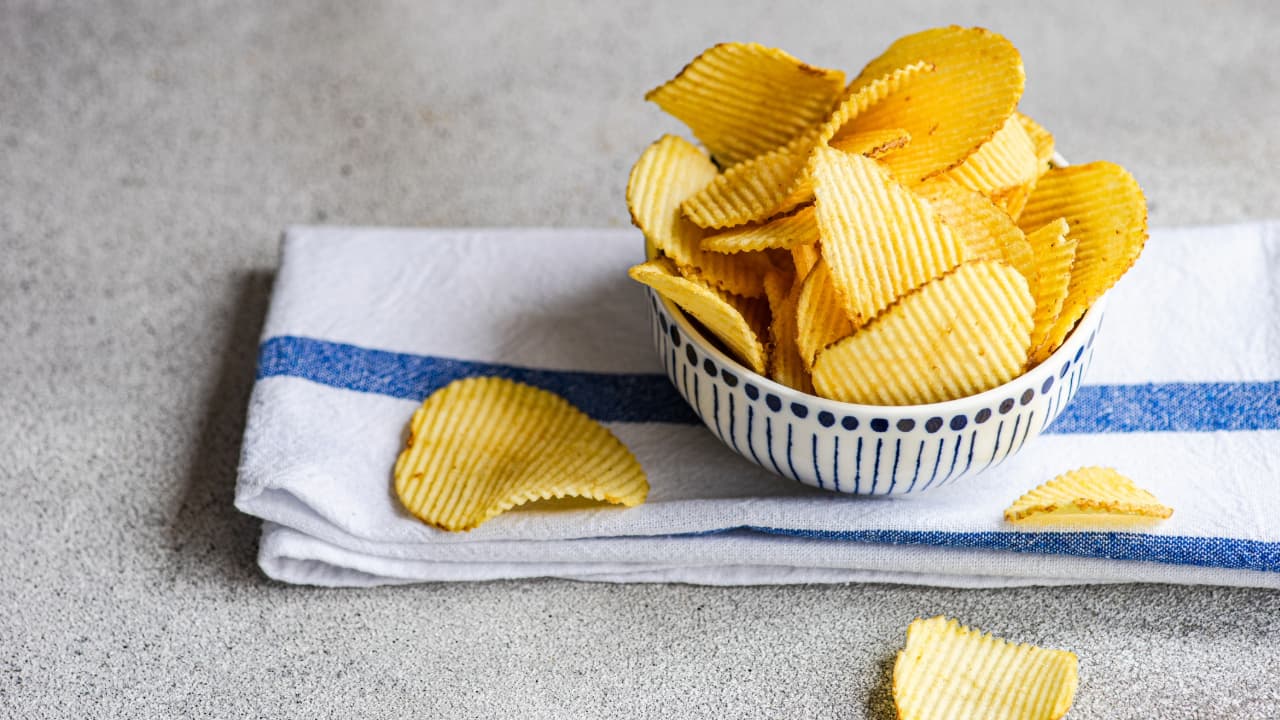
Researchers explained that the study highlights a strong connection between industrially processed foods and the decline in brain function. They pointed out that a 10% increase in ultra-processed food intake, similar to adding a packet of crisps to one’s daily diet, resulted in a noticeable decrease in focus.
These changes were measured using standard cognitive tests that evaluate attention and mental processing speed.
Also read: Study Finds Two Widely Used Medicines Could Reverse Fatty Liver Disease
Common Intake
Participants in the study obtained about 41% of their daily energy from ultra-processed foods, which is nearly the same as the Australian national average of 42%.
These foods include items like fizzy drinks, packaged snacks, and pre-prepared meals essentially anything that is far removed from fresh, whole ingredients.
Processing Matters
Importantly, the negative effects were observed regardless of how healthy the rest of a person’s diet was. Even those following balanced diets, such as the Mediterranean diet, were affected.
Researchers believe this is due to the fact that heavy processing alters the natural structure of food and introduces additives or chemicals that may be harmful to the brain. This suggests the problem is not just about lacking healthy foods but also about how food is made.
Brain Risks
The study also found a connection between higher consumption of ultra-processed foods and an increased risk of conditions linked to dementia, such as obesity and high blood pressure, which can be managed to support brain health.
While no direct link to memory loss was found, attention is a key component of thinking, learning, and problem-solving, making these findings especially significant.
Also read: Breakthrough Study: This Indian Plant May Help Remove Microplastics from Drinking Water