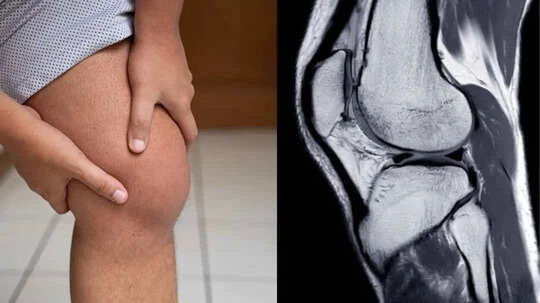
Knee swelling without any visible injury is often ignored, with many assuming it will resolve on its own. However, recurring swelling can signal an underlying problem known as Knee Effusion, a condition where excess fluid accumulates inside or around the knee joint.
Understanding this issue is crucial, as early detection can prevent long-term complications and joint damage.
“This fluid buildup is usually not sudden; it is often the body’s way of indicating that something within the knee, whether irritation, inflammation, or an underlying condition, needs attention,” said Dr. Rajeev Verma, Chairman – Manipal Institute of Bone & Joints, Robotic Surgery & Sports Injuries, Manipal Hospitals.
What is knee effusion?
Also referred to as joint effusion or a “swollen knee,” this condition occurs when fluid builds up within the joint space, making the knee appear visibly enlarged and puffy. While it most commonly affects the knee, it can also occur in other joints like the ankle, elbow, or shoulder. Common knee effusion symptoms include:
- Swelling and visible puffiness
- Stiffness and restricted movement
- Pain during bending or walking
- Warmth around the joint
- A feeling of tightness or pressure
Over time, untreated swelling can interfere with daily activities and mobility. “This accumulation usually interferes with the normal movement of the joint and, with time, may cause discomfort. Swelling, stiffness, a sense of tightness or pressure in the joint, bending or straightening the knee, pain during movement, and warmth around the affected area are some common symptoms,” Dr. Verma added.
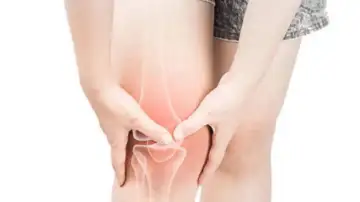
Causes of knee swelling without injury
There are several possible reasons behind fluid in the knee, ranging from mild irritation to serious medical conditions:
Infection
Conditions like Septic Arthritis can lead to rapid fluid buildup filled with pus, causing severe pain and swelling.
Degenerative disorders
Osteoarthritis is a leading cause, where wear and tear trigger inflammation and excess fluid production.
Overuse
Repeated stress on the knee – common in athletes or physically demanding jobs – can irritate the joint and lead to swelling.
Internal injury
Ligament tears, fractures, or cartilage damage may cause internal bleeding or inflammation, even without obvious external injury.
Tumours
Though rare, abnormal tissue growth – benign or cancerous- can disrupt joint function and lead to fluid accumulation.
How is knee effusion diagnosed?
Proper diagnosis is key to identifying the root cause. Doctors typically perform:
- Physical examination to assess swelling and movement
- Imaging tests like X-rays or MRI scans
- Joint aspiration (removing and analysing fluid)
- Blood tests to detect infection or inflammation
These tests help determine whether the swelling is due to injury, infection, or chronic disease. “In some cases, joint aspiration is performed, where fluid is removed from the knee and analysed to check for infection or crystal deposits. Blood tests may also be used to identify any underlying condition contributing to the effusion,” said Dr. Verma.
Treatment options for knee effusion
Treatment focuses on reducing swelling and addressing the underlying cause:
- Rest and reduced activity to prevent further strain
- Fluid drainage or aspiration to relieve pressure
- Physiotherapy to restore movement and strength
- Medications for pain or inflammation
In severe cases, surgical options such as arthroscopy or knee replacement may be required.
Why shouldn’t you ignore knee swelling?
Even without injury, persistent knee swelling is a warning sign. The body often produces excess fluid as a response to irritation, damage, or disease. Ignoring it can lead to worsening pain, reduced mobility, and long-term joint issues. “Knee effusion might appear minor, particularly when there is no injury, but it generally indicates a problem in the joint. The buildup of fluid is how the body reacts to stress, irritation, or damage. It is possible to prevent additional complications by not disregarding the signs and recognising them at an early stage. Early intervention might do much to keep joints healthy and mobile,” said Dr. Verma.
Knee effusion explained: it’s not just harmless swelling – it is your body asking for attention. Early diagnosis, proper treatment, and lifestyle adjustments can prevent complications and keep your joints healthy. If your knee swelling keeps returning, don’t brush it off; get it checked before it becomes a bigger problem.