
A stroke is a medical emergency where every second matters. Quick recognition and immediate action can mean the difference between recovery, disability, or even death.
With rising cases globally, understanding stroke symptoms and first aid is critical – especially during emergencies when panic can delay life-saving steps.
A Stroke occurs when the blood supply to the brain is blocked or reduced, depriving brain tissue of oxygen. Without urgent treatment, brain cells begin to die within minutes, making early intervention crucial.
5 essential DOs when someone has a stroke
If you think you or someone you are with is having a stroke, immediately call the emergency number. Strokes are life-threatening and can be fatal. The sooner someone is diagnosed and treated, the more likely it is that they’ll survive a stroke. Every second counts.
Use the FAST Test
The FAST acronym is the easiest way to identify stroke symptoms:
Face
Ask them to smile – does one side droop?
Arms
Can they raise both arms evenly?
Speech
Is their speech slurred or confused?
Time
Act immediately
Recognising these early signs of stroke can save precious minutes.
Call emergency services immediately
If you notice any FAST symptoms, seek medical help right away. In India, dial 108 or local emergency services. The phrase “time is brain” highlights urgency – delayed treatment increases the risk of permanent brain damage.
Stay calm and note the time
Try to remain composed and observe when symptoms began. This information helps doctors decide treatment options like clot-busting therapies, which are time-sensitive.
Make sure the person is comfortable
Ensure the person is sitting upright or slightly reclined, is supported and safe from falls, and remains awake and responsive. According to doctors, it is essential to monitor their condition until help arrives.
Stay with them and observe
Watch for any worsening symptoms such as unconsciousness, breathing difficulty, or seizures. Share all details with medical professionals.
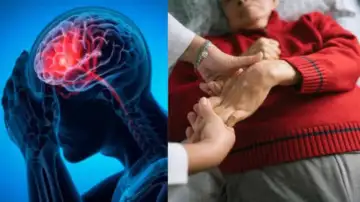
Critical DON’TS during a stroke
Don’t give any food or drinks
Doctors warn that stroke patients may have swallowing difficulties, increasing the risk of choking or aspiration.
Don’t give any medication
Avoid giving medicines like aspirin unless advised by a doctor. Incorrect medication can worsen certain types of stroke.
Don’t wait for symptoms to improve
Even mild symptoms can indicate a serious stroke. Delaying action can lead to irreversible damage.
Don’t let them lie flat
Keep their head slightly elevated to support breathing and circulation.
Don’t leave them alone
Constant supervision ensures a quick response if their condition worsens.
Why acting fast saves lives
Timely treatment can reduce brain damage and improve recovery chances. Treatments such as clot removal or medication are most effective when given within a few hours of symptom onset. Ignoring symptoms or delaying care can lead to:
- Paralysis
- Speech impairment
- Memory loss
- Long-term disability
Knowing the dos and don’ts of stroke first aid can make you a lifesaver. Recognise the signs early, act quickly, and avoid common mistakes. In a stroke emergency, every minute counts – your quick response could save a life.