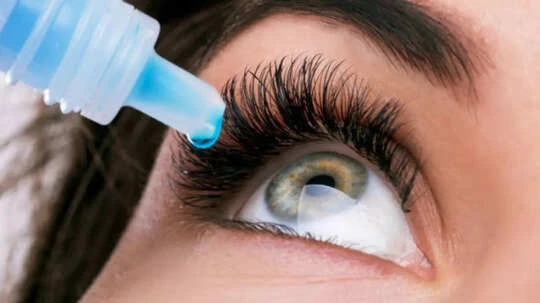
Eye drops are among the most widely used medications globally, helping treat conditions like infections, dry eyes, and childhood myopia.
However, a commonly used preservative – Polyhexamethylene biguanide, or PHMB – is now raising concerns among ophthalmologists due to its potential impact on long-term eye health.
What is PHMB, and why is it used?
PHMB is a powerful antimicrobial agent added to multidose eye drop bottles to prevent bacterial contamination. It works by disrupting microbial cell membranes and genetic material, effectively eliminating harmful organisms such as Pseudomonas and Staphylococcus.
“By disrupting microbial cell membranes and genetic material, it effectively eliminates harmful organisms such as Pseudomonas and Staphylococcus, which can cause serious eye infections. However, while PHMB protects the bottle, emerging scientific evidence suggests it may also affect the delicate tissues of the eye, particularly when used repeatedly over long periods,” said Dr. Mihir Kothari, Pediatric ophthalmologist, Adult squint specialist, Nystagmologist, Adult cataract surgeon.
This makes PHMB highly effective in maintaining the sterility and safety of eye drop formulations, especially those used over multiple days.
The concern: Is PHMB harmful to your eyes?
hile PHMB protects the solution inside the bottle, emerging research suggests it may also affect the ocular surface, particularly with long-term use. Laboratory studies indicate that PHMB can:
- Trigger cellular stress
- Causes apoptosis, or cell death, in corneal and conjunctival cells
- Disrupt the natural tear film
Clinically, prolonged use of PHMB-containing eye drops has been linked to:
- Eye irritation and redness
- Dryness and discomfort
- Corneal staining
- Delayed healing of the eye surface
These effects may be minimal for short-term use, but the risks increase when eye drops are used daily over months or years.
Why are children more vulnerable?
The concern becomes more significant in children, especially those undergoing long-term treatment for progressive myopia or chronic eye conditions.
Since the paediatric ocular surface is still developing, repeated exposure to preservatives like PHMB may increase inflammation, affect tear film stability, and stress limbal stem cells (essential for corneal repair). Experts warn that this could potentially impact long-term eye health if not carefully managed. “This issue becomes even more significant in children, particularly those receiving long-term treatment for progressive myopia or chronic ocular conditions. Because the paediatric ocular surface is still developing, prolonged exposure to certain preservatives may increase the risk of ocular surface inflammation and potential limbal stem cell stress over time,” said Dr. Kothari.

Expert recommendation: Minimise preservative exposure
Many ophthalmologists are now advising caution, particularly for patients requiring long-term therapy. Key recommendations include:
- Using preservative-free eye drops whenever possible
- Limiting the unnecessary prolonged use of preserved drops
- Consulting an eye specialist for chronic conditions
Advancements in ophthalmic care have led to the development of preservative-free multidose systems, including ionic buffer-based technologies. These innovations maintain sterility without relying on chemical preservatives. “Fortunately, ophthalmic technology has advanced significantly. Ionic buffer-based preservative-free systems are now available that maintain sterility of multidose eye drops while eliminating the need to add harmful preservatives. These newer systems help protect the ocular surface while ensuring the microbiological safety of the formulation,” Dr. Kothari added.
Benefits of preservative-free eye drops include:
- Reduced risk of irritation and dryness
- Better protection of the ocular surface
- Safer for long-term and paediatric use
- A shift in eye care awareness
With rising cases of digital eye strain, dry eye syndrome, and childhood myopia, the use of eye drops is increasing globally. Experts believe this is the right time for manufacturers to re-evaluate preservative use, especially in products meant for long-term treatment.
While PHMB plays an important role in preventing contamination, growing evidence suggests it may not be ideal for prolonged use, especially in children. The focus is now shifting toward safer, preservative-free solutions that protect both vision and the delicate tissues of the eye.