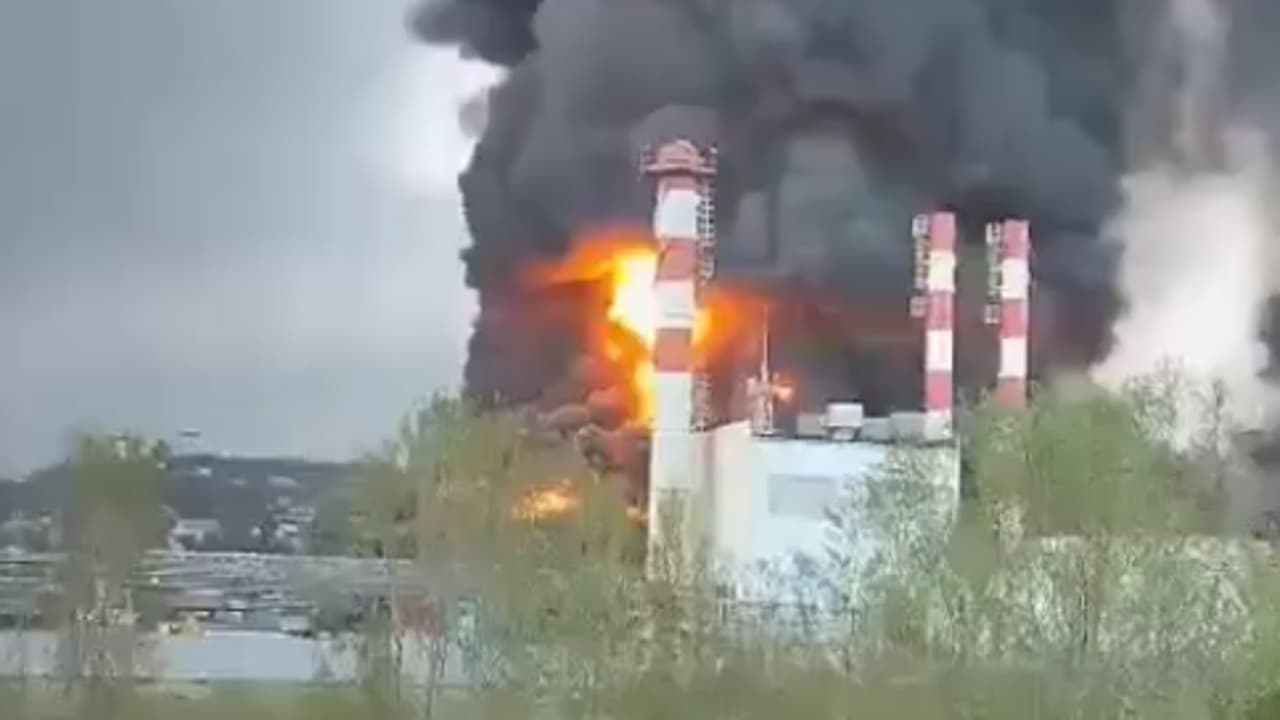
Iran-Hormuz Strait crisis: Trump extended ceasefire by stopping attack against Iran on Pakistan’s request. Pakistan emerged as a mediator between the Hormuz tension, IRGC ship attack, US blockade and energy crisis. Diplomacy, oil security, and US-Iran tensions are key issues.
Iran Hormuz Strait Attack: Just when the world was expecting relief amidst international tension, the situation in the Strait of Hormuz worsened again. Iran’s Islamic Revolutionary Guard Corps (IRGC) has been accused of attacking a container ship, just hours after the ceasefire was extended. According to the UK Maritime Traffic Organization (UKMTO), the Iranian gunboat approached the ship without warning and opened fire, causing serious damage to the ship’s bridge. Although all crew are reported safe, the incident has raised serious questions about global maritime security.
Hormuz Strait: Crisis on the world’s energy nerves again
The Strait of Hormuz is considered the most sensitive route for global oil trade. Any kind of military activity here not only shakes regional stability but also has immediate ramifications in global energy markets. The US is already imposing a so-called “economic blockade” by increasing its naval presence in the region, which is said to be putting severe pressure on Iran’s oil exports and revenues.
Trump’s big claim: ceasefire increased due to Pakistan’s role
US President Donald Trump has claimed that military action against Iran has been halted at the request of Pakistan’s leadership – Asim Munir and Shehbaz Sharif – and the ceasefire has been extended indefinitely. According to Trump, this step has been taken in view of Iran’s “fragmented political structure” and the need for a “unified resolution”. However, there has been no official response from Iran on this claim yet.
Scroll to load tweet…
Tehran’s silence or strategy? deepen doubts
Sources associated with Iranian media and security agencies have expressed doubt on Trump’s statement. IRGC-affiliated Tasnim news agency clearly said that Iran has not demanded any kind of ceasefire extension. In contrast, Iran has reiterated its warning to “forcefully challenge” the US blockade. Analysts believe that this silence could also be strategic, so that the further military or diplomatic situation can be assessed.
Blockade and economic pressure: the second front of the invisible war
The alleged blockade by the US continues in the Hormuz area, the purpose of which is said to be to limit Iran’s oil trade and maritime activities. According to the Trump administration, Iran is losing millions of dollars per day due to this step. On the other hand, Iran is terming it an “economic war” and accusing it of endangering regional stability.
What will be the next step: peace or further conflict?
The latest attack in Hormuz has made it clear that the ceasefire is still in a very fragile state. On one hand, America is trying to balance both diplomacy and military pressure, while on the other hand, Iran is showing signs of directly challenging any external intervention. The coming days will decide whether this conflict will go to the negotiating table or spread from sea to sky.