New Delhi: The Operation Sindoor of the India on terror bases in Pakistan and its occupied territories was a massive blow that broke the back of terrorism. It was a retaliation to the Pahalgam terror attack on April 22, 2025, that killed 26 people.
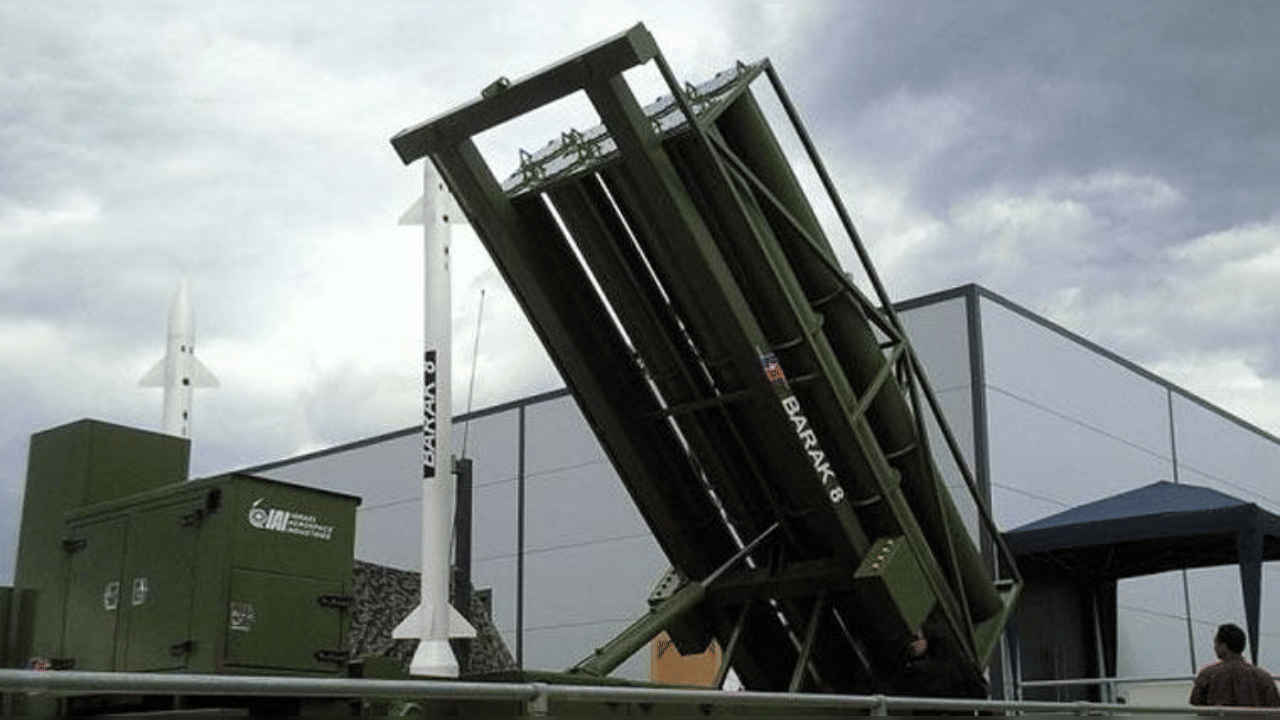
India countered with the deadly Operation Sindoor, that destroyed the terror bases behind the attack. But Pakistan hit back harder, and it used drones and shelling to target several places in our country. They even targeted religious places like Shambhu Temple in Jammu, the Gurdwara in Poonch, and Christian convents, and Delhi was also not spared. However, it was the rapid response of an Indian Air Force (IAF) unit in Haryana which saved the national capital from Pakistani attack. The unit was entrusted to manage the Barak-8 surface-to-air missile system, and they used it to destroy a missile attack from Pakistan.
How did the IAF unit save Delhi from Pakistan attack?
According to a report by the Times of India, a team led by Air Commodore Rohit Kapil, Air Officer Commanding (AOC) of 45 Wing in Sirsa, a forward IAF base near the border, triumphantly destroyed the Pakistani ballistic missile which was possibly a Fatah missile or Shaheen-II variant over Sirsa airspace.
They did so by effectively using the Barak-8 missile system and hence, Delhi, which was possibly the target of the Pakistani missile, was saved. The security forces on May 10 found the missile’s parts from Sirsa and a video of its parts became viral on the social media. Thanks to the IAF’s 45 Wing, the national capital remained escaped.
The strength of India’s air defence system
It also showed the prowess of India’s integrated air defence network which rebuffed repeated attacks from Pakistan during the conflict. In recent times, the Centre has further strengthened the air defence system with the Sudarshan programme which will have several layers of protection with Barak-8 MRSAM, the indigenous Project Kusha interceptor system and Russian S-400s along with other systems ensuring the safety and security of this land.
Air Commodore Kapil and his team averted a massive danger, and President Droupadi Murmu awarded him the Yudh Seva Medal on August 14. The Indian Army, on the eve of the Pahalgam attack anniversary, warned Pakistan that “when boundaries of humanity are crossed, the response is decisive”, highlighting the stern stance of the government on terrorism.